Can Cats Eat Cheese? 7 Dairy Foods: Safe vs Unsafe for Cats
Short answer: Cheese is not poisonous to cats, but most adult cats are lactose intolerant, so dairy often causes vomiting or diarrhoea. A pea-sized piece of plain cheese very rarely is the most any cat should get — flavoured, salty, or mouldy cheeses should never be given.
The cartoon image of a cat lapping milk is hard to shake, but a cat's body tells a different story. Kittens make lactase, the enzyme that digests milk sugar, to drink their mother's milk. After weaning, most cats make far less of it, so cow's milk and cheese sit undigested and upset the stomach. Cheese also brings fat and salt a cat does not need, with none of the nutrients it does.

Why dairy upsets so many cats
When lactose is not digested, it ferments in the gut, causing gas, soft stools, vomiting, or diarrhoea, sometimes hours after eating. Some cats tolerate a tiny amount with no visible problem, but tolerance varies by cat and there is no universally safe portion. A true dairy allergy is different from intolerance and can also cause itchy skin — either way, the fix is the same: stop the dairy.
Cheese-by-cheese: what is least bad, and what to avoid
Plain hard cheeses such as cheddar are lowest in lactose and the least risky in a tiny amount, and are sometimes used in small training treats. Cottage cheese is lower in fat but still dairy, so it needs the same caution. Cream cheese and mozzarella are higher in fat and lactose and are best avoided. Brie is often unpasteurised, blue cheese carries moulds that can produce toxins, and feta, halloumi, and processed cheeses are very salty — excess salt can cause vomiting, diarrhoea, tremors, and worse. Flavoured cheeses with onion, garlic, or chives are the real danger: cats are especially sensitive to onion and garlic, which can damage red blood cells days after eating.

Milk, cream, butter, and yoghurt
Cow's milk is the worst everyday offender — it is the most lactose-rich and the most likely to cause diarrhoea. Cream is high in fat with the same lactose problem. Butter is mostly fat with little lactose, but it adds calories and can still upset a sensitive stomach. Plain yoghurt has less lactose because of fermentation, yet it is still dairy and still risky for intolerant cats; flavoured yoghurts with sweeteners are worse. Kittens that cannot nurse need kitten-specific milk formula, never cow's milk.
If your cat already ate cheese
One small piece of plain cheese usually needs nothing more than watching: expect possible soft stools for a day, keep fresh water available, and feed the normal diet. Call the vet if vomiting or diarrhoea persists, if the cat stops eating or drinking, or if the cheese contained onion, garlic, chives, or a large amount of salt. If your cat vomits often for any reason, our cat vomiting guide lists the other causes to check.
Safer treats your cat will actually enjoy
Skip dairy and offer what a cat's body is built for: a small piece of plain cooked chicken, turkey, or fish, or a commercial cat treat made for feline digestion. Cheese-flavoured cat treats made with cat-safe ingredients give the flavour without the lactose. Keep treats under 10 percent of daily calories so they never crowd out real food. Our fall foods guide for cats lists other seasonal foods that are genuinely safe.
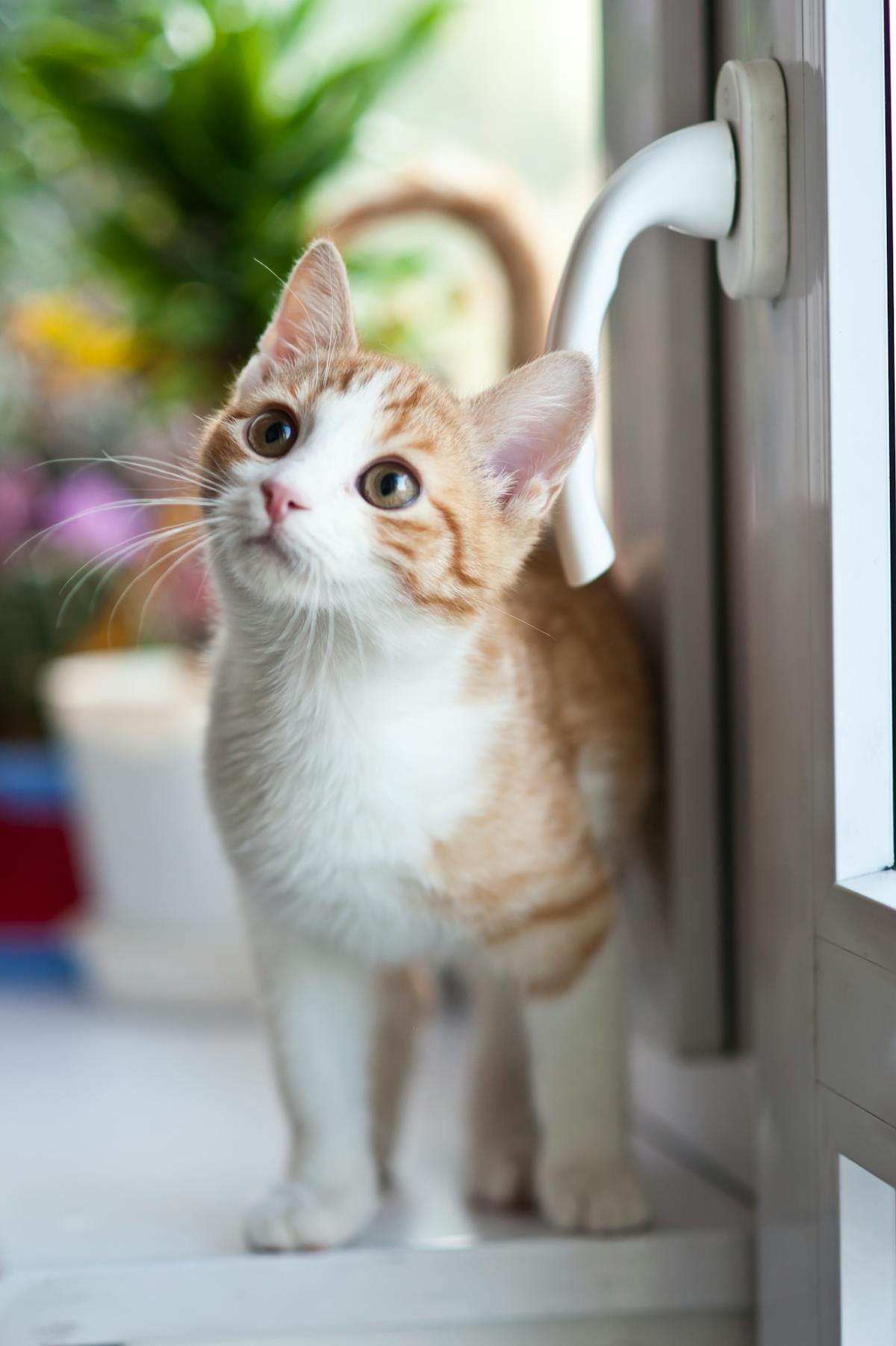
The bottom line on cats and cheese
Cheese is not toxic, but it is not a cat food either. A pea-sized piece of plain cheese, very rarely, is the safe ceiling for a cat that tolerates it — and for many cats, even that is not worth the upset stomach. For the full picture on which cheeses are worst and why, see the Cats Protection guide: can cats eat cheese.
Your cat does not need cheese to be happy, and its stomach will thank you for skipping it. Save the special treats for plain meat or a proper cat treat, and keep the cheese board for the humans.





0 Comments