5 Easy Homemade Cat Treats With 3 Ingredients or Less
Store-bought cat treats are convenient, but they are often full of fillers, and some cats turn their noses up at them anyway. Homemade treats solve both problems: you know exactly what is in them, they cost almost nothing, and most cats go wild for the real fish and chicken flavours. Every recipe below uses three ingredients or less, takes under 20 minutes, and keeps well in the fridge for a few days. As with any treat, keep portions small — treats should be no more than 10% of your cat's daily calories — and introduce new foods one at a time so you can spot any tummy upset.
A note on safety first: never use onion, garlic, grapes, raisins, chocolate, xylitol, or raw fish in cat treats. Cooked fish and chicken are fine; raw meat carries bacteria that cats, especially kittens and older cats, do not need. If your cat has kidney disease, allergies, or is on a prescription diet, check with your vet before adding homemade treats — the recipes here are for healthy adult cats.
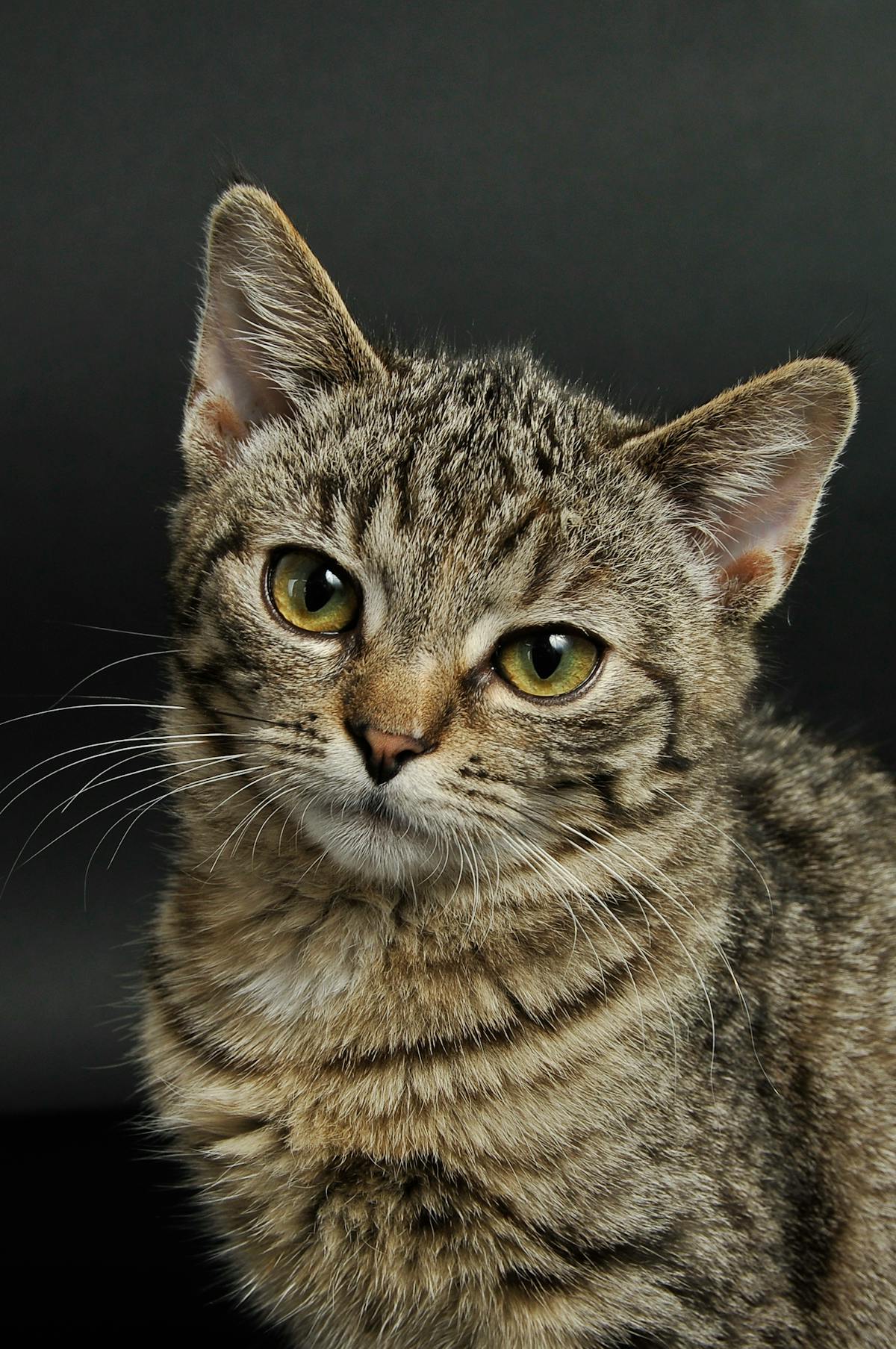
1. Tuna bites (tuna + egg + oat flour)
Drain a tin of tuna in water (not brine, not oil), mash it with one beaten egg and just enough oat flour to form a soft dough — usually 2–3 tablespoons. Roll into pea-sized balls, flatten slightly, and bake at 180°C (350°F) for 10–12 minutes until firm. Cool completely before serving. These are the classic cat treat for a reason: the smell alone brings most cats running. Store in an airtight container in the fridge for up to 5 days, or freeze a batch and thaw a few at a time.
2. Chicken crisps (chicken only)
Slice cooked chicken breast very thinly — partly frozen chicken is easier to slice — and lay the slices on a lined baking tray. Bake at a low 150°C (300°F) for 20–25 minutes, turning once, until dry and crisp. Cool, then break into small pieces. One ingredient, no additives, and the crunch satisfies cats that love texture. These also work brilliantly as training rewards, because they break cleanly and do not crumble into dust in your pocket.

3. Salmon and sweet potato stars (salmon + sweet potato)
Mash a small tin of salmon (bones removed, in water) with an equal amount of cooked, mashed sweet potato. Roll out, cut into small shapes with a cutter or a knife, and bake at 180°C (350°F) for 12–15 minutes. Sweet potato adds fibre and a little natural sweetness, and the soft texture suits older cats and cats with dental problems. If your cat is fussy about new textures, start with a tiny piece mixed into its usual food.
4. Catnip cookies (oat flour + egg + catnip)
Mix 100g of oat flour with one beaten egg and a teaspoon of dried catnip to form a dough. Roll small balls, flatten with a fork, and bake at 180°C (350°F) for 10 minutes. Not every cat responds to catnip — about a third do not — so if your cat ignores these, try the tuna bites instead. For cats that do love catnip, these cookies double as enrichment: the smell alone gets some cats rolling, playing, and then settling happily. Keep the catnip amount small; a little goes a long way.
5. Frozen yoghurt licks (plain yoghurt + tuna water)
Mix a few spoonfuls of plain, unsweetened yoghurt with a splash of the water from a tuna tin. Pour into an ice-cube tray or silicone moulds and freeze. Offer one cube on a hot day, or smear a little on a lick mat. This is the easiest recipe here and a lovely cooling treat in summer — but check the yoghurt label carefully: it must be plain, with no added sugar, flavouring, or xylitol. Most cats tolerate a small amount of yoghurt, but if yours is lactose-sensitive, skip this one and use the chicken crisps instead.
How to use treats well
Treats are training gold if you use them right. Keep them tiny — pea-sized is plenty — and use them to reward calm behaviour, coming when called, or going to a scratching post instead of the sofa. If your cat is overweight, reduce its main meals slightly on treat days. And rotate recipes: cats get bored, and a cat that loved tuna bites last month may ignore them this month. That is normal, not ingratitude. If you enjoy making things for your cat, our DIY cat toy ideas pair perfectly with these treats — a toy plus a treat is a complete play session.



Storage and serving tips
Homemade treats have no preservatives, so fridge storage matters: baked treats last 5 days refrigerated, 3 months frozen. Label the container with the date you made them, and throw away anything that smells off. Serve at room temperature — cold treats straight from the fridge smell less appealing to cats, who eat largely by smell. And always watch the first serving: a new treat that causes vomiting, diarrhoea, or itching should be stopped, and the ingredient noted for your vet.
Five recipes, three ingredients or less, one happy cat. Start with the tuna bites — they are the most reliable crowd-pleaser — and keep a batch in the freezer so you always have a healthy, cheap treat ready. Your cat will not thank you in words, but the purring, the head-butts, and the way it follows you to the kitchen will say it clearly enough.



0 Comments