Can Dogs Eat Eggs? The Safe Guide: Raw vs Cooked, Portions, and Shells
Short answer: Yes — fully cooked eggs are safe and nutritious for most dogs, in moderation: about one egg a few times a week for a medium dog, less for small dogs, and always as part of a balanced diet, not on top of a full bowl of kibble every day. Raw eggs are a different story, and eggshells need preparation before they are useful.
Can dogs eat eggs
Eggs are one of the most complete protein sources available, with all essential amino acids, plus B vitamins, selenium, and healthy fats. That is why they appear in many commercial dog foods. The questions owners actually need answered are about cooking, quantity, and allergies — not whether eggs are good in principle.

1. Cooked beats raw, every time
Cook eggs fully — scrambled, boiled, or poached, with no butter, oil, salt, or seasoning. Raw eggs carry a small but real Salmonella risk for dogs and for the humans handling them, and raw egg white contains avidin, which blocks biotin absorption over time. Cooking removes both problems. A plain hard-boiled egg, chopped over kibble, is the simplest safe serving.

2. Portions by size
Use the 10% treat rule: treats and extras, eggs included, should stay under 10% of daily calories. Roughly: small dogs (under 10 kg) half an egg a few times a week; medium dogs one egg; large dogs one to two eggs. Overweight dogs should get less, and the egg calories must replace part of the meal, not add to it — otherwise the healthy extra quietly becomes weight gain.

3. Eggshells: useful, but prepare them
Crushed, baked eggshell is a good calcium source, but raw shell can carry bacteria and sharp fragments can irritate. Bake shells at low heat until dry, grind them to a fine powder, and use only a small pinch — too much calcium unbalances a diet, especially for puppies. Most owners do not need shells at all if the dog eats a complete commercial food; shells matter mainly for home-cooked diets planned with a vet.

4. Allergies and sensitivities
Egg is a known, if uncommon, dog allergen. Itching, ear infections, soft stools, or vomiting that starts after eggs appear regularly should prompt a trial without eggs for a few weeks, then a vet discussion. One egg once is not an allergy test — patterns over weeks are what count. Dogs with pancreatitis or very high cholesterol should also get vet advice before regular eggs, because of the fat in yolks.
5. Eggs in a balanced diet
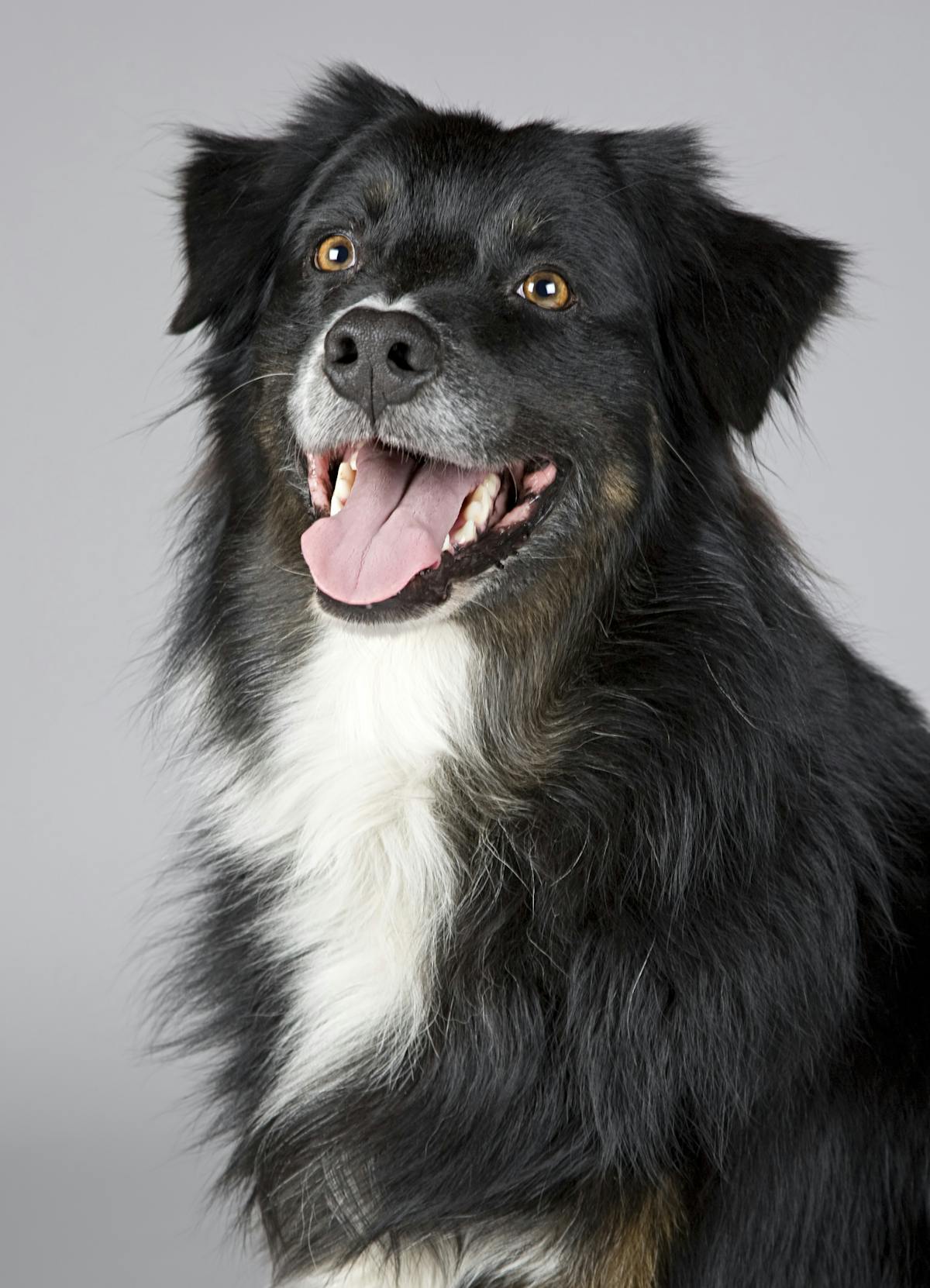
Eggs work best as an occasional topper, not a daily staple on top of everything else. If your dog already eats a complete food, eggs are a bonus, not a necessity. The same caution applies to other human foods: our guide to peanut butter safety and safe fruits for dogs uses the same rule — safe food, right preparation, right portion.
6. What not to do
Do not feed eggs fried in butter, seasoned, mixed with onion or garlic, or served as part of a rich breakfast plate. Do not feed raw eggs daily, do not let a dog eat an unlimited number because they love them, and do not use eggs to replace a meal for a puppy, whose calcium and protein balance is delicate. Simple, plain, and occasional is the whole secret.

7. The bottom line
Cooked, plain, and portioned, eggs are an excellent occasional food for dogs. Keep them under 10% of calories, cook them fully, skip the seasoning, and watch for any sensitivity in the first weeks. PetMD's guide to dogs and eggs agrees on the cooked-only rule and is a good second opinion if your vet wants to discuss portions for your dog's size.






0 Comments