New Kitten Checklist: The First-Week Essentials Nobody Tells You
Everyone tells you to buy a litter box and kitten food. Nobody tells you about the 3 a.m. zoomies, the hiding under the bed for six hours, or the fact that your new kitten may not eat on day one — and that all of that is normal. The first week is not about perfection. It is about safety, patience, and letting a tiny, overwhelmed animal learn that your home is safe.
This checklist covers the essentials for week one — the things you need before pickup day, plus the small, rarely mentioned details that make the difference between a stressful week and a smooth one.

Before Pickup Day: The Non-Negotiables
Kitten food (wet and dry). Buy the same food the breeder or shelter was feeding. A sudden food change plus a new home is the fastest route to an upset stomach. If you switch brands, do it gradually over a week.
A litter box — plus one. The rule is one box per cat, plus one extra. For a single kitten, that means two boxes to start, in quiet, accessible spots (not next to the food bowls, and not in a noisy laundry room). Use unscented, fine-grain litter for kittens — strong perfumes put them off.
Food and water bowls. Shallow, wide bowls suit kittens best — deep bowls bump their whiskers and some kittens refuse them. Keep water away from the food bowl; many cats prefer to drink in a different spot.
A carrier. You need it for the journey home and the first vet visit. Leave it out, open, with a soft blanket inside for a few days before pickup, so it is a bed, not a trap.

Set Up a Base Camp Room
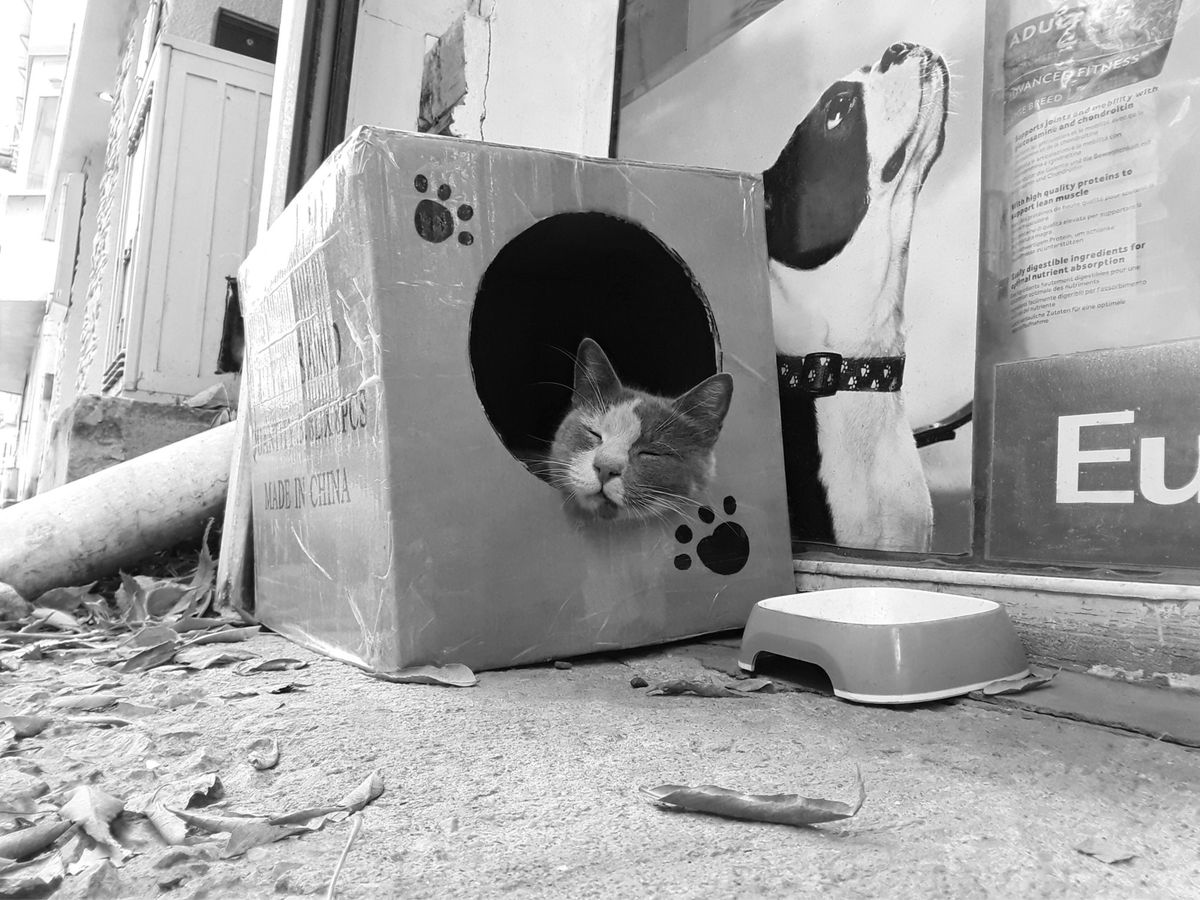
This is the detail most new owners skip — and the one that matters most. A kitten arriving in a whole house is overwhelmed. Instead, set up one small room as base camp for the first few days: litter box, food, water, a bed, a hiding spot (a box with a doorway cut in it, or the carrier with the door open), a scratching post, and a few toys.
Let your kitten explore that one room first. When they eat, use the litter box, and play confidently there, open the door to one more room. Expanding territory slowly prevents hiding marathons and litter-box misses, and it builds confidence that lasts.

The First 24 Hours: What Is Normal
Hiding. Many kittens hide for hours on day one. Do not drag them out. Sit nearby, talk softly, and let them come to you. Curiosity almost always wins by day two or three.
Not eating much. Stress suppresses appetite. Offer food, leave it down for a while, and try again later. If a kitten eats nothing at all for more than 24 hours, call your vet — kittens are small and can go downhill fast.
Night-time zoomies. Kittens are most active at dawn and dusk. A play session before your bedtime — a feather wand until they are properly tired — is the best way to buy yourself a quieter night.
Clinginess, then independence. Some kittens glue themselves to you on day one and then suddenly want space. Both are normal. Let them set the pace.

Health: Book It Before You Need It
Book a vet check within the first few days, and bring any vaccination and deworming records from the breeder or shelter. Ask about the vaccination schedule, flea and worm treatment, and when to book neutering. Kittens should be kept indoors until their vaccinations are complete — and even after that, many owners choose indoor life with supervised outdoor time.
Watch for warning signs in week one: sneezing with discharge from eyes or nose, diarrhoea lasting more than a day, vomiting, lethargy, or not eating. Kittens hide illness well, so any sudden change is worth a vet call, not a wait-and-see.
Scratching, Climbing, and Play — Start Right
Put a scratching post in base camp from day one, near where your kitten sleeps. Kittens that learn to scratch a post early rarely move on to the sofa. Play with wand toys, not hands — a kitten that learns hands are toys becomes a cat that bites hands, and that habit is much harder to undo at six months than at eight weeks.
Keep play sessions short and frequent: five minutes, several times a day, ending with a small treat or meal. That play–eat–sleep rhythm is how kittens naturally live, and it settles them beautifully.
The Things Nobody Mentions
Kittens need to sleep — a lot. Up to 20 hours a day. A kitten that is wild, bitey, and unable to settle is usually an overtired kitten. Put them back in base camp for a nap and watch the difference.
Keep cords, plants, and small objects out of reach. Kittens chew and swallow things adults ignore. Check houseplants for toxicity before pickup day — lilies are extremely dangerous to cats, even in tiny amounts, and should not be in a cat home at all.
Children need the rules too. Gentle hands, no grabbing, no chasing, and never wake a sleeping kitten. Supervise every interaction in week one.
Introduce other pets slowly. Scent first (swap blankets), then sight through a door or gate, then short supervised meetings. Rushing introductions is the top cause of long-term cat conflict.

Your First-Week Checklist, At a Glance
Kitten food (same as before). Two litter boxes, unscented litter, scooped daily. Shallow food and water bowls in separate spots. Carrier left out as a bed. Base camp room with bed, hiding spot, scratching post, and toys. Vet appointment booked. Wand toys (not hands) for play. Toxic plants — especially lilies — removed. A calm house, patient people, and realistic expectations.
By the end of week one, most kittens have a routine, a favourite person, and a favourite sleeping spot — usually somewhere you did not plan, like your pillow. That is the sign it worked: your kitten feels at home. 🐾



When your kitten is settled, you will love our 12 cozy DIY cat bed ideas your cat will actually use — because a kitten that has its own perfect bed is a kitten that (mostly) stays off yours.
For more simple, practical ideas for cats, dogs, and the people who rescue them, follow Paws & Second Chances — because every pet deserves a safe place to land. 🐾



0 Comments