Why Does My Cat Sleep All Day? 7 Normal Reasons and 3 Warning Signs
Short answer: Most healthy adult cats sleep 12 to 16 hours a day, and kittens and senior cats often sleep 18 to 20 — so a cat that seems to sleep all day is usually completely normal. Worry only when the sleep pattern suddenly changes, or when extra sleep comes with eating, drinking, weight, or behaviour changes.
Normal cat sleep
Cats are not lazy; they are crepuscular hunters, most active at dawn and dusk, and they conserve energy between those bursts. A cat that plays hard at 6 a.m., naps through the afternoon, and zooms at 9 p.m. is following a natural rhythm, not ignoring you.
1. Age explains a lot
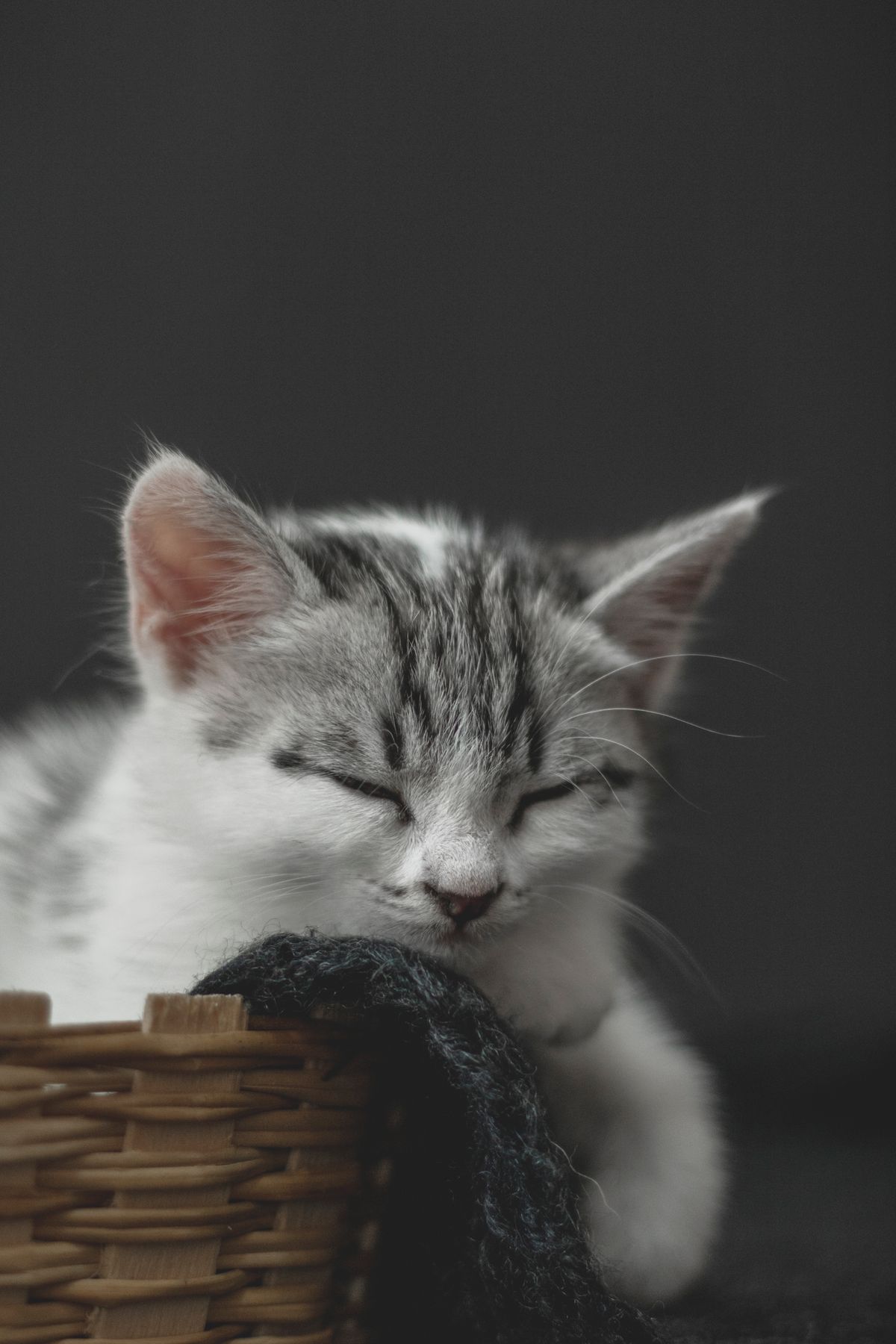
Kittens sleep almost constantly because growth happens during sleep, and senior cats sleep more as their joints stiffen and their senses dull. If your older cat naps longer but still eats, grooms, and greets you, that is ageing, not illness — though senior cats benefit from the comfort changes in our senior cat care guide.

2. Weather, boredom, and safety
Cats sleep more in cold or wet weather, in quiet houses, and when nothing interesting is happening. A cat with no play, no window view, and no climbing spots will sleep because there is nothing better to do. Add a 10-minute play session before bed and a perch by a window, and many cats suddenly become much more awake in the evening.

3. The sleep itself is not all deep sleep
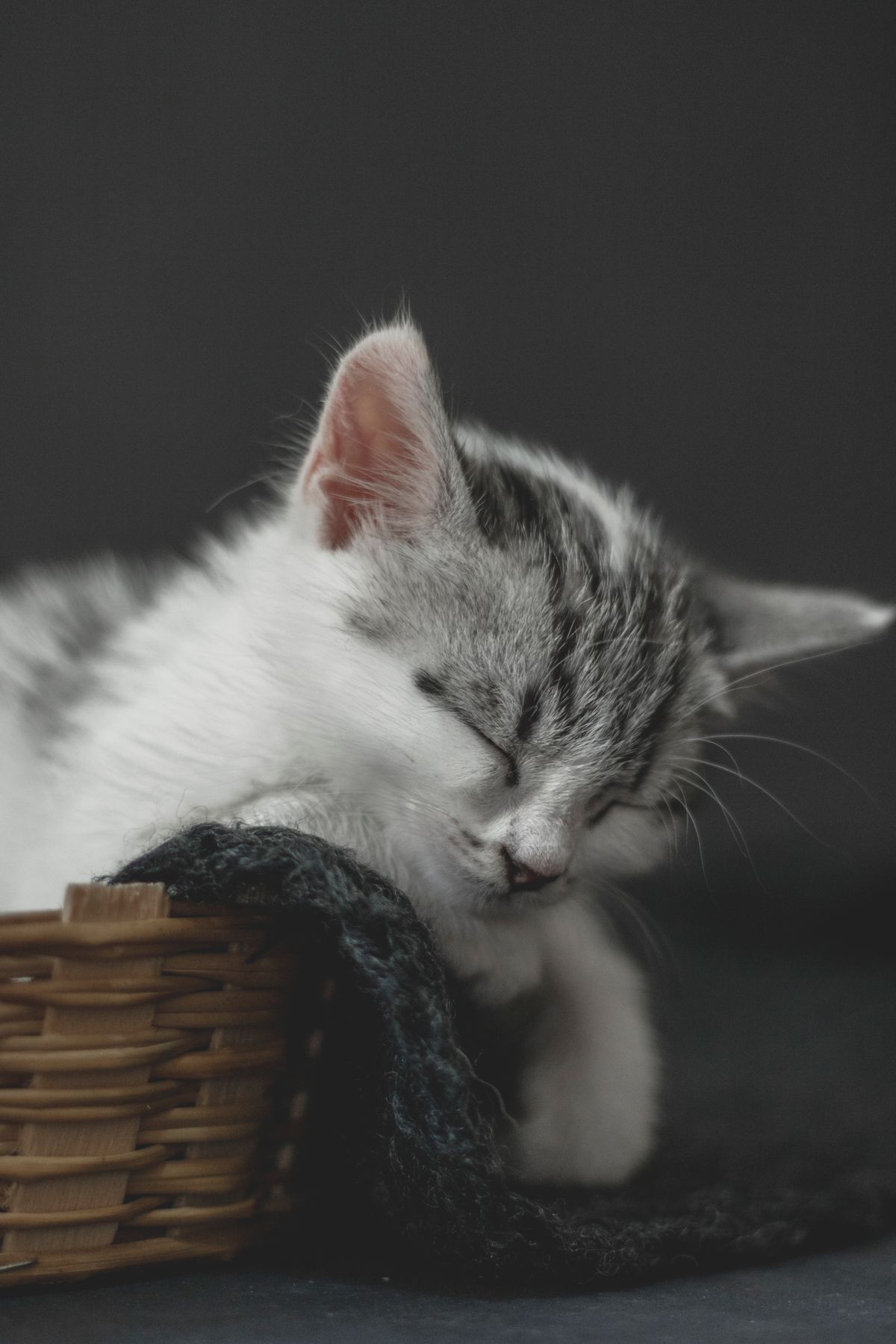
Much of cat sleep is light dozing — ears twitching, ready to wake in a second — with shorter bursts of deep, dreaming sleep. Twitching whiskers, paws, and tails during deep sleep are normal. A cat that is hard to wake, limp, or unresponsive is different from a cat that is merely dozing, and that difference matters.

4. Warning sign 1: a sudden change
The red flag is change, not hours. A cat that slept 14 hours and now sleeps 20, hides more, and stops playing needs attention — especially if the change came on over days rather than gradually with age or season. Keep a simple note for a week: sleep, appetite, litter habits, and play. Vets find that note genuinely useful.

5. Warning sign 2: sleep plus other symptoms
Extra sleep with reduced appetite, weight loss, vomiting, diarrhoea, difficulty jumping, or unkempt fur points to pain or illness — arthritis, dental pain, kidney disease, and hyperthyroidism are common culprits in older cats. A cat that hides all the time as well as sleeping more should be checked promptly, not watched for another month.

6. Warning sign 3: not waking, or sleeping in odd places
A cat that cannot be roused, breathes oddly, or suddenly sleeps flat out in the middle of the floor instead of its usual safe spots may be in pain or distress. That is a same-day vet call, not a wait-and-see. In contrast, a cat choosing a sunny spot or a high perch is choosing comfort, and that choice is a good sign.
7. How to support healthy sleep
Give your cat warm, safe, high resting spots, a predictable routine, and real play twice a day. Avoid waking a sleeping cat for cuddles — let them come to you. And if you are ever unsure whether the sleep is normal, a vet check is cheap reassurance: VCA Hospitals explains how much cats normally sleep and when to worry.





0 Comments