Halloween Pet Safety: 9 Vet-Approved Rules to Keep Dogs & Cats Safe on Oct 31
Halloween Pet Safety: 9 Vet-Approved Rules to Keep Dogs & Cats Safe on Oct 31
Halloween is great fun for people — and a minefield for pets. The doorbell rings every few minutes, strangers in masks walk past the window, bowls of chocolate appear at nose height, and candles flicker in carved pumpkins. Most Halloween pet emergencies are not freak accidents. They are the same few predictable problems, and every one of them can be prevented with a little planning before the first trick-or-treater arrives.
Below are nine simple rules that cover the real risks: toxic treats, costumes, escapes, fire, and stress. Work through them once, and your dog or cat can have a calm, safe Halloween while you enjoy the night.

1. Keep All Candy Out of Reach — Especially Chocolate and Sugar-Free Sweets
This is the number-one Halloween danger, and it is worth repeating: chocolate is toxic to dogs and cats, and darker chocolate is more dangerous than milk chocolate. Sugar-free candy and gum sweetened with xylitol are dangerous too — even a small amount can cause a sudden drop in blood sugar in dogs. Raisins, grapes, and some nuts are also on the do-not-share list.
Put the candy bowl high up, behind a closed cupboard door, and never leave it on a coffee table while you answer the door. Tell children in the house the same rule: Halloween treats are for people, not pets. If your pet does eat chocolate, xylitol, or raisins, do not wait for symptoms — call your vet or an animal poison helpline straight away and tell them what was eaten, how much, and roughly when.

2. Give Them a Quiet Room Before the Doorbell Starts
For most pets, the hardest part of Halloween is not the candy — it is the noise. A doorbell ringing every few minutes, strangers shouting, and costumes that change how people look and move can turn a confident dog into a trembling one and send a cat straight under the bed.
Set up a quiet room before dark: their bed, water, a favourite toy, and something that smells like you. Close the curtains, put on some gentle background music or the television, and check on them between rounds of trick-or-treating. A calm pet in a quiet room is far safer than a stressed pet pacing near an open front door.

3. Guard the Door — Escapes Peak on Halloween Night
Halloween is one of the worst nights of the year for lost pets, because the front door opens dozens of times. A dog that has never bolted before may slip past a visitor's legs, and a cat that usually stays indoors may dart out in a moment of panic.
Keep pets in their quiet room while you hand out treats, or use a baby gate in the hallway as a second barrier. Make sure collars fit properly and ID tags are up to date, and check that microchip details are current — that small step is what brings a lost pet home. If you do take a dog out for a walk, use a lead, even in a garden you trust, and skip the walk during peak trick-or-treat hours if you can.
4. Choose Costumes That Let Them Move, See, and Breathe
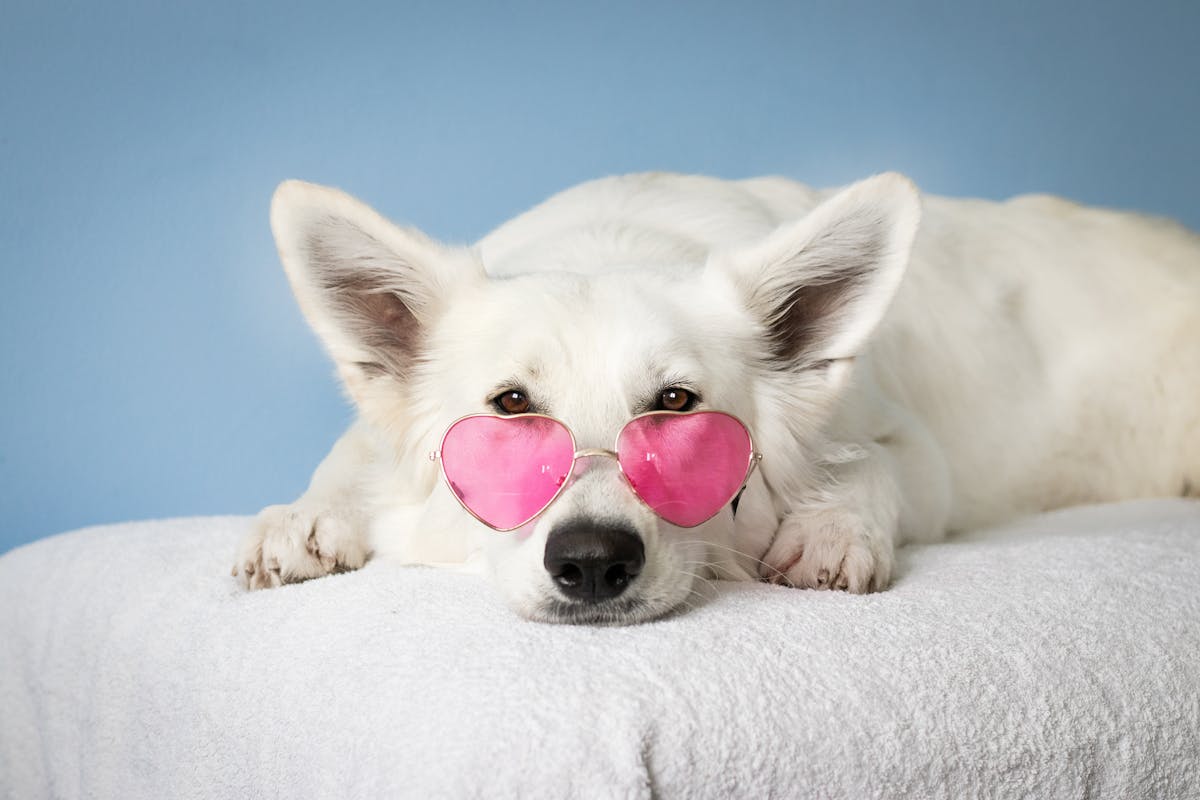
A costume should be a photo opportunity, not a restriction. If your pet freezes, paws at the outfit, tries to chew it off, or cannot walk normally, the costume is not working — take it off, no matter how cute it looks.
Pick a simple, lightweight costume that leaves their eyes, ears, nose, mouth, and legs free. Avoid anything tight around the neck or chest, anything with small buttons, beads, or dangling parts they could chew off and swallow, and anything that covers their face. Let them try it on indoors for a few minutes a day before Halloween, with treats and praise, so the outfit itself is not a new stress on the night. And never leave a costumed pet unsupervised.
5. Swap Real Candles for Flameless Ones
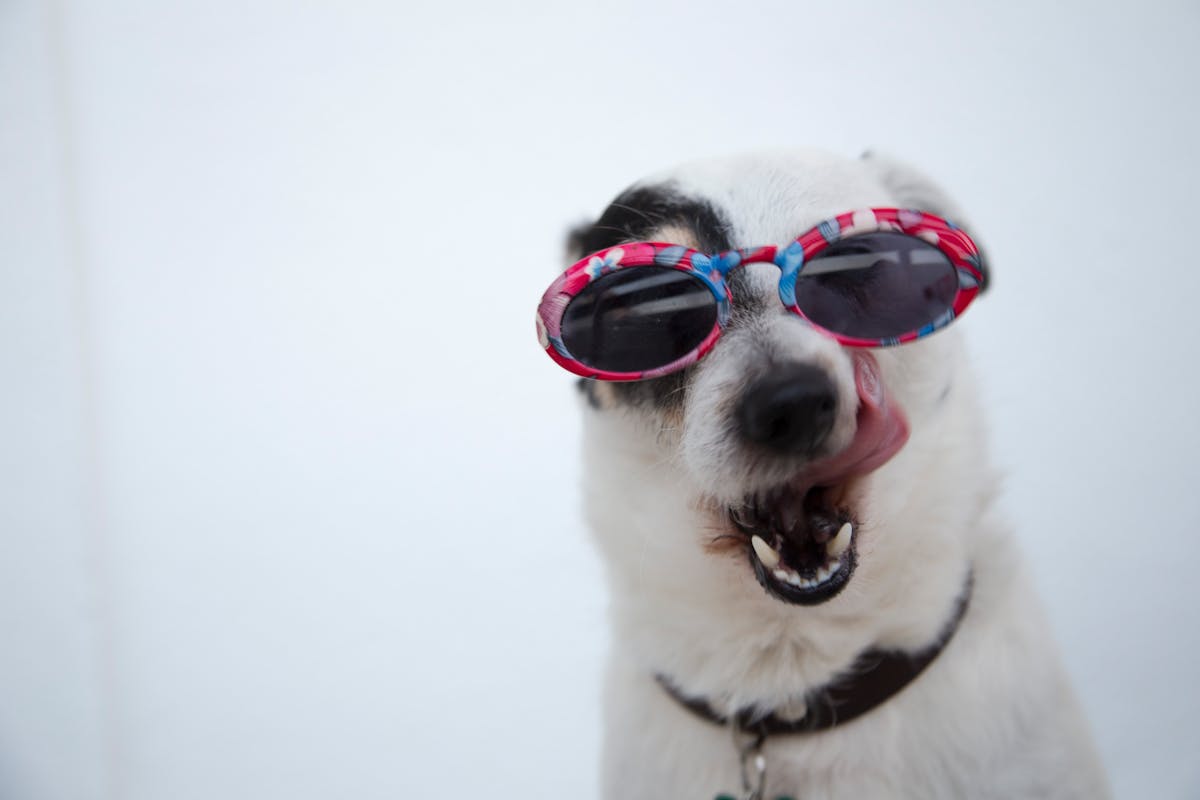
A carved pumpkin with a real candle inside is a fire risk with a curious pet in the house. A wagging tail, a batting paw, or a cat jumping onto a table can knock it over in seconds.
Use battery-powered flameless candles in pumpkins and lanterns instead — they give the same glow with none of the risk. The same rule applies to decorative lights and cords: keep wires tucked away and out of chewing range, and keep glow sticks and glow jewellery away from pets. Glow-stick liquid is not usually life-threatening, but it tastes awful and can cause drooling and stomach upset if a pet chews one open.
6. Keep Decorations Out of Chewing Range
Fake cobwebs, tinsel-like garlands, rubber spiders, and small decorative items are all tempting to a pet that explores with its mouth — and all of them can cause trouble if swallowed. String-like decorations are a particular concern for cats, who may swallow them and need veterinary care.
Decorate high, not low. Keep dangling decorations above pet height, skip the fake cobwebs in rooms your pets use, and do a quick floor check after you decorate: anything small enough to swallow should not be on the floor. If a pet swallows string, ribbon, or a small object, do not pull it — call your vet for advice.
7. Do Not Share the Party Food
It is not just the candy bowl. Halloween party food is full of things pets should not eat: onion and garlic in dips and savoury snacks, rich fatty foods that can upset a stomach, and alcohol, which is toxic to pets even in small amounts. Keep drinks and plates off low tables, and put leftovers away promptly rather than leaving a buffet out all evening.
If guests want to give your pet a treat, have a small bowl of their normal treats ready and ask guests to use those instead. It keeps everyone happy — and it keeps the "just one bite" problem from happening ten times over.

8. Watch the Stress Signals — and Believe Them
Pets do not have to be in danger to have a bad Halloween. Hiding, trembling, pacing, panting, refusing food, over-grooming, or suddenly becoming clingy are all signs that the night is too much for them. Those signals are information, not bad behaviour.
If you see them, move your pet to their quiet room, dim the lights, and leave them alone with something comforting. Do not force them to greet visitors or pose for photos. A pet that sleeps through Halloween in a quiet room has had a successful Halloween — there is no rule that says they have to enjoy the party.
9. Have the Emergency Numbers Ready Before You Need Them
The worst time to search for a vet's number is in the middle of an emergency. Before Halloween, save three numbers in your phone: your regular vet, the nearest emergency vet clinic and its opening hours, and your local animal poison helpline. Keep your pet's approximate weight handy too — vets often need it to judge how serious an ingestion is.
A two-minute check now means that if something does go wrong, you spend those first critical minutes calling for help instead of searching for a number. That preparation costs nothing and can change the outcome completely.
Your Halloween Night Checklist
Candy stored high and behind a closed door. Quiet room ready with bed, water, and a toy. Door guarded with a gate or a closed room. Costume tried on in advance — or skipped entirely. Flameless candles in every pumpkin. Decorations above chewing height. Normal pet treats ready for well-meaning guests. Emergency numbers saved in your phone.
Tick those off, and Halloween becomes what it should be: a fun night for you, and a calm, boring, perfectly safe night for them. That is the best kind of Halloween a pet can have. 🐾
Want a calmer home for your cat all year round? Read our guide to 12 cozy DIY cat beds your cat will actually use — a rested cat in its own safe spot is a calmer cat on noisy nights too.
Safety note: this article is general guidance, not veterinary advice. If your pet eats something toxic, swallows an object, or shows worrying symptoms, contact your vet or an animal poison helpline immediately — do not wait to see if it passes.
For more simple, practical ideas for cats, dogs, and the people who rescue them, follow Paws & Second Chances — because every pet deserves a safe place to land. 🐾



0 Comments