How to Stop a Dog From Pulling on the Leash: 7 Steps That Actually Work
A dog that pulls on the leash turns every walk into a tug-of-war. Your arm aches, your dog chokes and coughs, and instead of enjoying the walk together, you both come home frustrated. The good news: pulling is one of the most fixable dog behaviours there is. Dogs pull because pulling works — it gets them where they want to go, faster. Change that equation, and the pulling fades.
These seven steps work for most pet dogs, from bouncy puppies to strong adult pullers. They need patience and consistency, not strength, special equipment, or shouting. Give it two to three weeks of short daily practice and you will feel the difference.
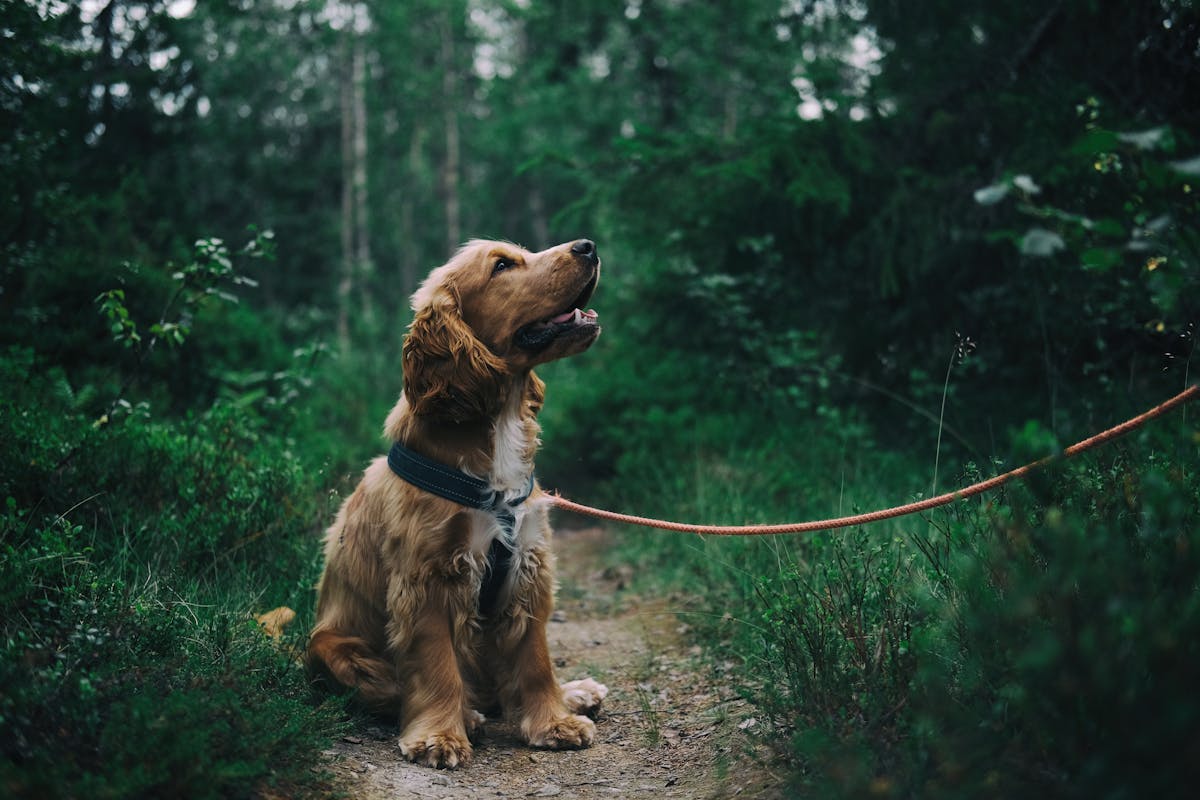
1. Start With the Right Equipment — Not a Longer Leash
Before you train anything, check the gear. A flat collar is fine for a dog that already walks nicely, but for a puller it puts all the pressure on the neck. A well-fitted front-clip harness or a head halter (introduced slowly, with treats) gives you steering without choking, and it makes training far easier.
Skip the retractable leash while you are training. It teaches your dog that the leash length always changes, which is the exact opposite of what you want them to learn. Use a standard 1.5–2 metre leash, hold it relaxed, and keep your hands low — tension travels straight down the leash to your dog.

2. Teach That a Loose Leash Is What Makes the Walk Go Forward
This is the golden rule of loose-leash walking: when the leash is loose, you walk forward. The moment it goes tight, you stop. No yanking, no scolding — you simply become a tree. Stand still, wait for your dog to look back or step toward you so the leash slackens, then praise and walk on.
It feels slow at first. Your first "walk" may cover only your own street. That is fine — you are not training distance, you are training a rule, and dogs learn rules fast when they are applied every single time. The most common mistake is giving in "just this once" because you are in a hurry. Every time pulling works, the habit gets stronger.
3. Reward the Position You Want, Not Just the Stops
Stopping teaches your dog what does not work. Rewards teach them what does. Every few steps that your dog walks beside you with a loose leash, mark it with a happy "yes!" and deliver a small treat at your side, near your leg — not out in front, which pulls them forward again.
At first, reward constantly: every three or four steps is not too often. As your dog gets the idea, stretch it out gradually — every ten steps, then every twenty, then at random moments. Random rewards are powerful: when your dog never knows which good step earns a treat, they keep offering good steps.

4. Use the Turn-Around Trick for Determined Pullers
Some dogs are so excited that stopping alone is not enough — they strain at the end of the leash, scanning ahead, waiting for you to move. For these dogs, add the turn-around: the moment the leash tightens, calmly turn and walk in the opposite direction for a few steps, then turn back.
Your dog quickly learns that pulling does not just stop the fun — it takes them further away from the exciting thing. Keep your turns smooth and cheerful, not sharp or angry. After a few repetitions most dogs start checking in with you instead of charging ahead, because you have become unpredictable in a way they need to watch.
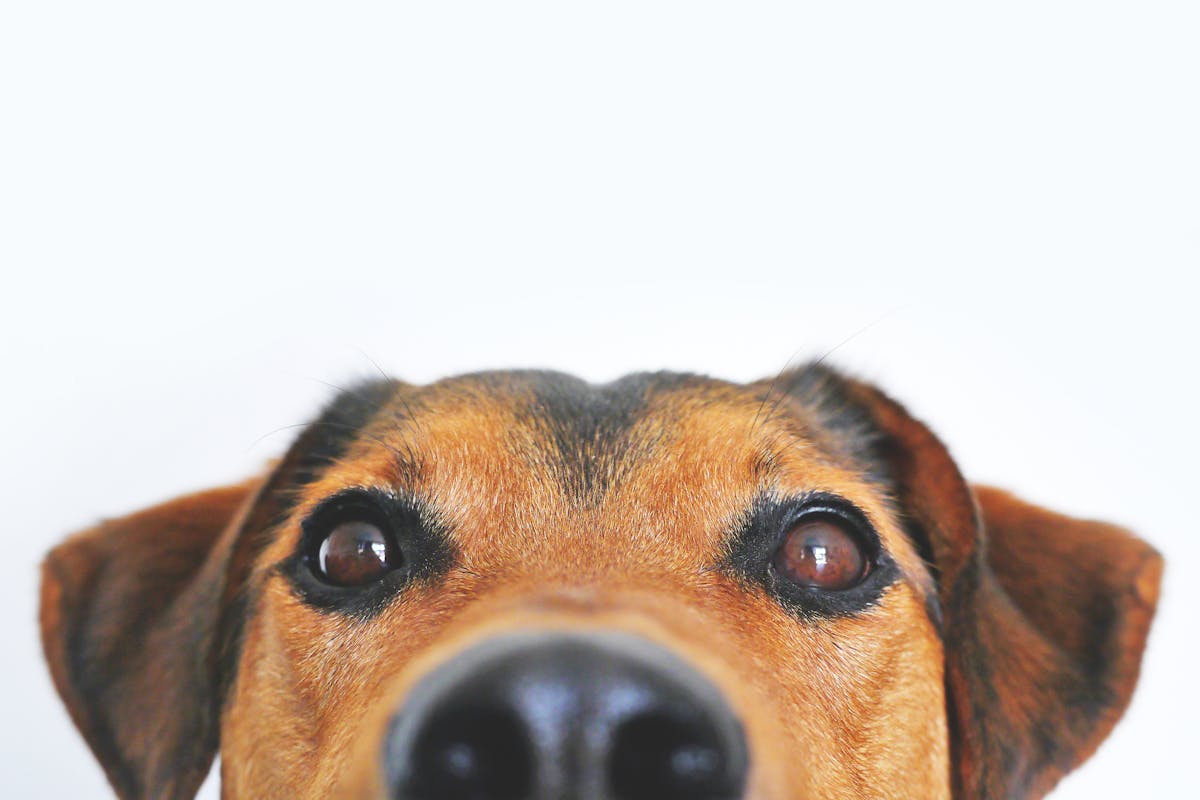
5. Train in Easy Places First, Then Add Distractions Slowly
Do not start loose-leash training on a busy high street full of other dogs, squirrels, and food smells. That is like learning to drive in rush-hour traffic. Start indoors or in your garden, where there is almost nothing to pull toward. When your dog can walk nicely there, move to a quiet street, then a busier one.
This is called working below threshold: your dog can only learn when they are calm enough to think. If your dog is lunging, barking, and unable to take a treat, you are too close to the distraction. Create distance, let them calm down, and try again from further away. Progress is not a straight line — a dog that walks beautifully on a quiet road may still pull at the park, and that is normal.
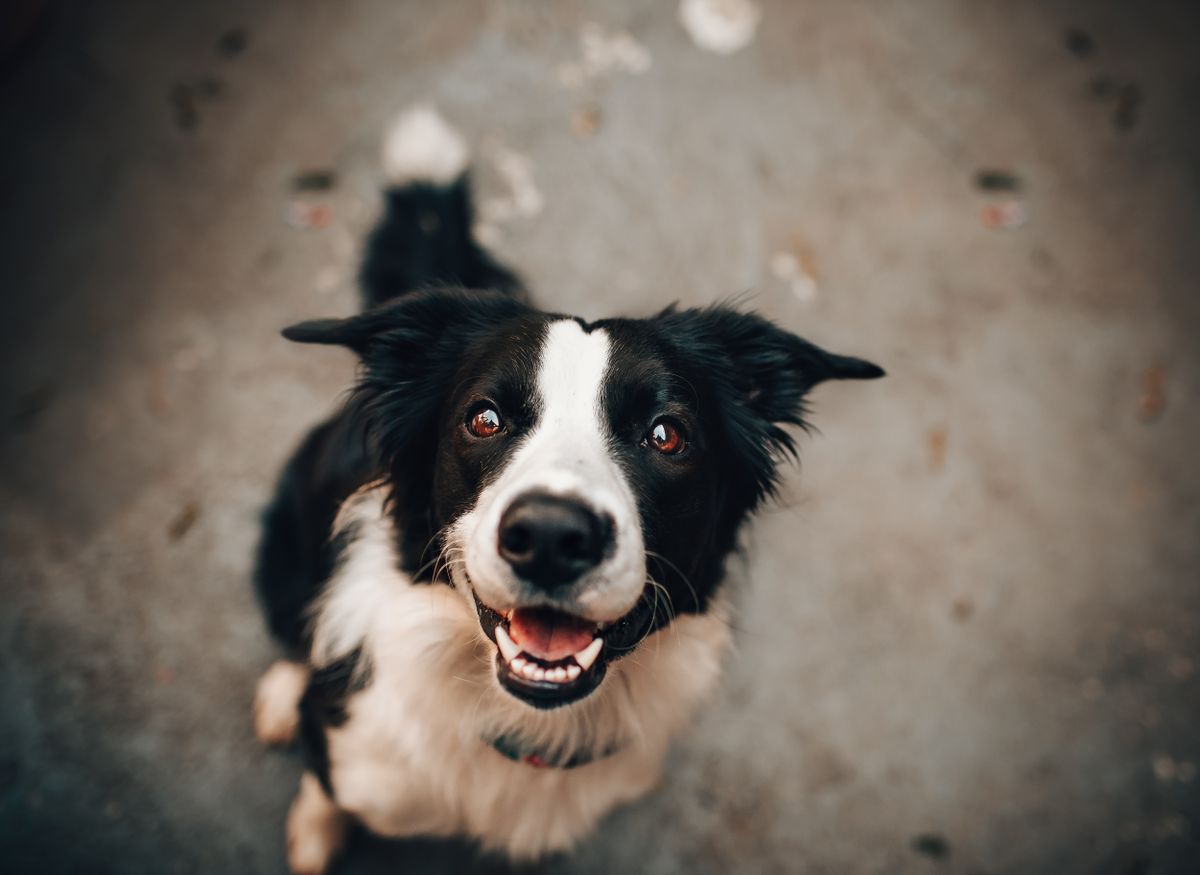
6. Burn Off Energy Before the Training Walk
A dog with a full tank of energy is much harder to train. A quick game of fetch, ten minutes of tug, or a short play session in the garden before your walk takes the edge off, so your dog can actually focus on you.
Mental exercise counts too — and it tires dogs out faster than physical exercise. Five minutes of "find it" games (hiding treats around a room), a stuffed food puzzle, or a short training session indoors before the walk will make the walk itself far calmer. A tired brain walks on a loose leash; a bored brain pulls toward everything.
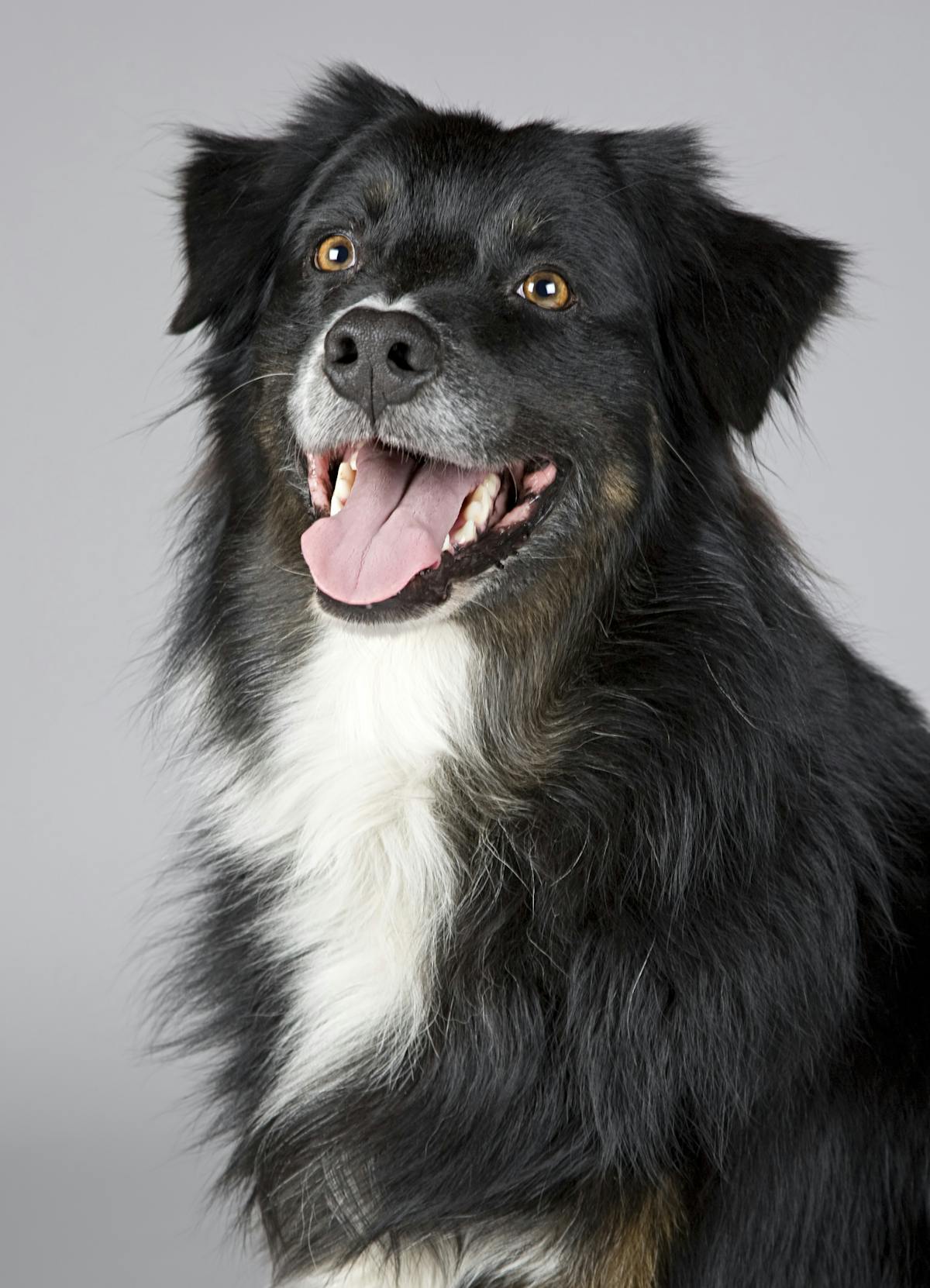
7. Keep Sessions Short, Daily, and the Same for Everyone
Ten focused minutes beats an hour of frustrated dragging. Do one or two short training walks a day, and end each one while your dog is still succeeding — a short good walk teaches more than a long bad one.
Just as important: everyone who walks the dog must follow the same rule. If one person stops when the leash tightens and another lets the dog drag them to the park, the dog learns that pulling sometimes works — and "sometimes" is the hardest habit to break. Agree the rule as a household, and the training will stick in weeks instead of months.
What If Nothing Seems to Work?
If your dog pulls so hard they are a danger to themselves or to you, if they lunge and bark at everything and cannot calm down, or if pulling started suddenly in an older dog, talk to your vet or a qualified force-free trainer. Pain, anxiety, and reactivity can all look like "bad leash manners" but need a different approach. There is no shame in getting help — strong pullers are one of the most common reasons people call a trainer.
Your Loose-Leash Cheat Sheet
Right harness, short standard leash. Tight leash = you stop; loose leash = you walk. Reward the good position at your side, often at first. Turn around for determined pullers. Start easy, add distractions slowly. Burn energy before training walks. Short daily sessions, same rule for everyone in the house.
Stick with it for three weeks and most dogs transform from sled-dog to walking companion. Walks stop being a chore, and start being the best part of both your days. 🐾
Love practical, no-nonsense pet advice? You may also like our 12 cozy DIY cat bed ideas your cat will actually use — because a well-rested pet is a better-behaved pet, whatever species they are.
For more simple, practical ideas for cats, dogs, and the people who rescue them, follow Paws & Second Chances — because every pet deserves a safe place to land. 🐾



0 Comments