Senior Dog Care: 9 Changes to Make After Age 7
Your dog will not tell you when it becomes a senior — it will just start sleeping a little longer, hesitating at the stairs, and greeting you a little more slowly. Most dogs are considered seniors around age 7, earlier for large and giant breeds, later for small breeds. Senior care is not about treating your dog as old and fragile. It is about making small, smart changes early, so the extra years are comfortable, active, and happy. The dogs that age best are usually the ones whose owners noticed the small changes and acted on them.
Start with a vet visit. Senior dogs benefit from check-ups every six months rather than once a year, because age-related problems — kidney disease, arthritis, dental disease, heart problems, and some cancers — are far easier to manage when caught early. Blood tests and a weight check at these visits give your vet a baseline, so a change next time actually means something. If your dog has not had a senior check yet, book one this month. It is the single highest-value thing on this list.

1. Adjust the food, not just the amount
Senior dogs often need fewer calories but the same — or more — high-quality protein, plus joint-supporting nutrients like omega-3 fatty acids. Do not automatically switch to a "senior" food without checking the label: some senior foods cut protein too far, which speeds up muscle loss. Ask your vet about your dog's weight, body condition, and any kidney or heart issues before changing diets, and change foods gradually over a week. Treats still count — keep them small, and swap calorie-heavy treats for carrot pieces, apple slices (no seeds), or a small piece of cooked chicken.
2. Keep moving — but change how
Arthritis is the most common senior-dog problem, and the treatment is movement, not rest. Short, frequent walks beat one long, exhausting walk. Swimming and gentle hydrotherapy are excellent for stiff joints because they build muscle without pounding. Watch for the signs: lagging on walks, stiffness after rest, difficulty rising, or reluctance to jump into the car. Those are not "just getting old" — they are pain signals, and modern pain relief, joint supplements, and weight control can transform a stiff dog. If walks get shorter in winter, our cold-weather care guide covers coats, shorter walks, and keeping older dogs warm.
3. Make the home easier
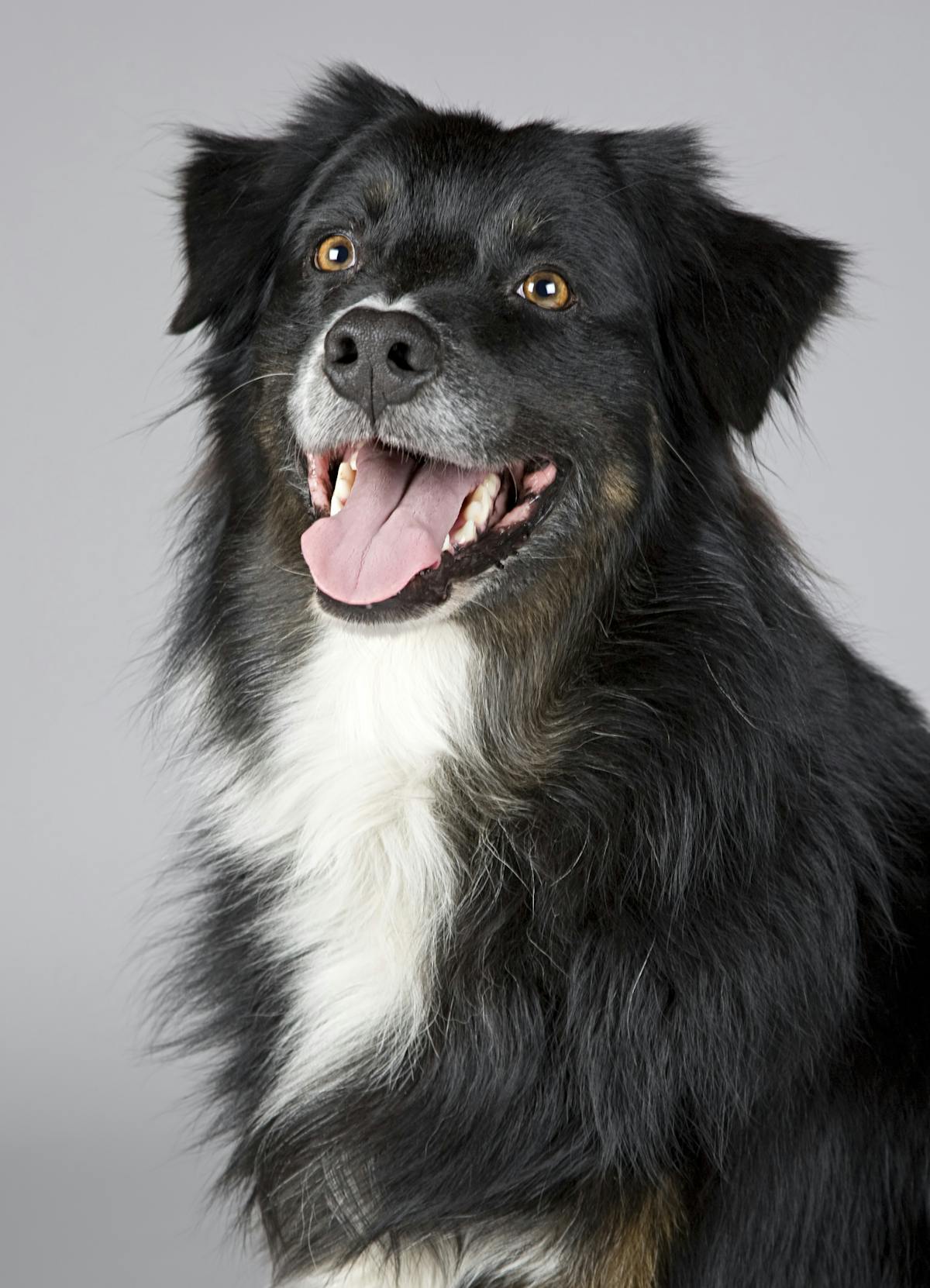
Small home changes make a big difference: a ramp or steps to the car and the sofa, a non-slip rug on slippery floors, a raised food and water bowl so your dog does not have to stoop, and a warm, supportive bed — ideally orthopaedic foam — away from draughts. Night lights help dogs whose eyesight is fading. If your dog starts having accidents indoors, do not scold it: add more toilet breaks, especially last thing at night and first thing in the morning, and talk to your vet, because senior incontinence often has a treatable cause.
4. Look after teeth, ears, and coat
Dental disease is painful and common in seniors, and it affects the heart and kidneys too. Brush teeth if your dog allows it, use vet-approved dental chews, and ask your vet about a dental check — bad breath, dropping food, or chewing on one side are warning signs. Grooming also changes: older dogs groom less, so brush regularly, check for lumps, skin changes, and sore spots, and keep nails trimmed, because long nails hurt arthritic feet. Any new lump should be checked promptly — most are harmless fatty lumps, but only your vet can tell.
5. Keep the brain busy
Canine cognitive dysfunction — doggy dementia — affects a significant number of dogs over 11. Early signs include staring at walls, getting stuck in corners, night-time restlessness, and forgetting house training. Mental enrichment helps: puzzle feeders, sniff walks where your dog sets the pace, short training games, and new routes. Keep routines predictable, because a confused dog copes better with a familiar day. If you notice cognitive signs, tell your vet early — diets, supplements, and medications can slow the progress, especially when started promptly.
6. Watch weight like a hawk
Weight is the lever you control most. Extra weight worsens arthritis, heart disease, and diabetes, and makes every other problem harder. Weigh your dog monthly, feel its ribs (you should feel them easily under a thin fat layer), and adjust food if the waistline disappears. Many owners do not notice slow weight gain because they see their dog every day — a monthly weigh-in catches it. Conversely, unexplained weight loss in a senior is always worth a vet visit, even if your dog seems otherwise well.
7. Adapt play and training
Senior dogs still love to play and learn — they just play differently. Swap high-impact fetch for gentle tug, sniff games, and short training sessions with easy wins. Old dogs learn new tricks perfectly well, and training keeps their brains sharp. Be patient with slower responses: hearing and vision fade, so use clear hand signals alongside voice cues, and approach your dog from the front so you do not startle it. A dog that seems "stubborn" in old age is often a dog that simply did not hear you.
8. Protect sleep and comfort
Senior dogs sleep more — 16–18 hours a day is normal — and quality sleep matters. Give your dog a quiet, warm sleeping spot it can reach easily, and do not wake it suddenly. Night-time restlessness can mean pain, anxiety, or a need for a late toilet break: a short evening walk and a final toilet trip before bed help many dogs settle. If restlessness is new or worsening, ask your vet to check for pain or cognitive change rather than assuming it is just age.



9. Plan ahead, calmly
Senior care includes the hard conversations, and having them early is a kindness. Know your nearest emergency vet, keep a list of your dog's medications and conditions on your phone, and think about what quality of life means for your dog — eating happily, moving without severe pain, enjoying people, sleeping peacefully. Rescue dogs often arrive as seniors and reward their adopters enormously; our guide to the first 30 days with a rescue dog applies just as much to a senior rescue as to a puppy.
Ageing is not a disease, and a senior dog is not a finished dog. With six-monthly vet checks, weight control, gentle daily movement, a comfortable home, and a brain that stays busy, most dogs enjoy years of good life after seven. The grey muzzle is not the end of the story — it is the chapter where your dog needs you most, and gives back most in return.



0 Comments