How to Crate Train a Puppy: 7 Steps for Calm, Stress-Free Nights
A crate, used properly, is not a cage and it is not a punishment. Done right, it becomes your puppy's bedroom — the safe den where it sleeps, rests, and feels secure when the house is busy. Crate training also protects your puppy from chewing cables and swallowing things it should not, and it makes toilet training dramatically faster, because puppies naturally avoid soiling their sleeping space. The mistakes people make are almost always the same: rushing it, using the crate as a time-out, or leaving a puppy in it for far too long. Follow these seven steps in order, and most puppies learn to love their crate within two weeks.
Choose the right crate first. It should be big enough for your puppy to stand up, turn around, and stretch out comfortably — but not so big that it can toilet in one corner and sleep in another. For a growing puppy, buy a crate with a divider panel and move it as your puppy grows. Put the crate in a family room during the day, not isolated in a garage, and make it cosy: a washable bed, a safe chew, and a cover over the top and sides to make it den-like (leave the front open at first). Our new puppy checklist covers everything else you need before day one.

1. Make the crate wonderful before closing any door
For the first day or two, leave the crate door wide open and scatter high-value treats inside so your puppy discovers them on its own. Feed meals just inside the door, then gradually further back. Do not lure your puppy in and shut the door on day one — the first experiences must be entirely voluntary. A puppy that walks in happily ten times on its own is a puppy that will accept a closed door later without panic.
2. Build up closed-door time in tiny steps
Once your puppy eats happily inside, close the door for a few seconds while it eats, then open it before it finishes. Stretch the time gradually: 30 seconds, a minute, five minutes, always while your puppy is calm and busy with a chew or a stuffed Kong. If your puppy whines, wait for a pause before opening — opening mid-whine teaches it that whining opens doors. If it panics (pawing frantically, drooling, trying to escape), you moved too fast: go back a step and rebuild more slowly.
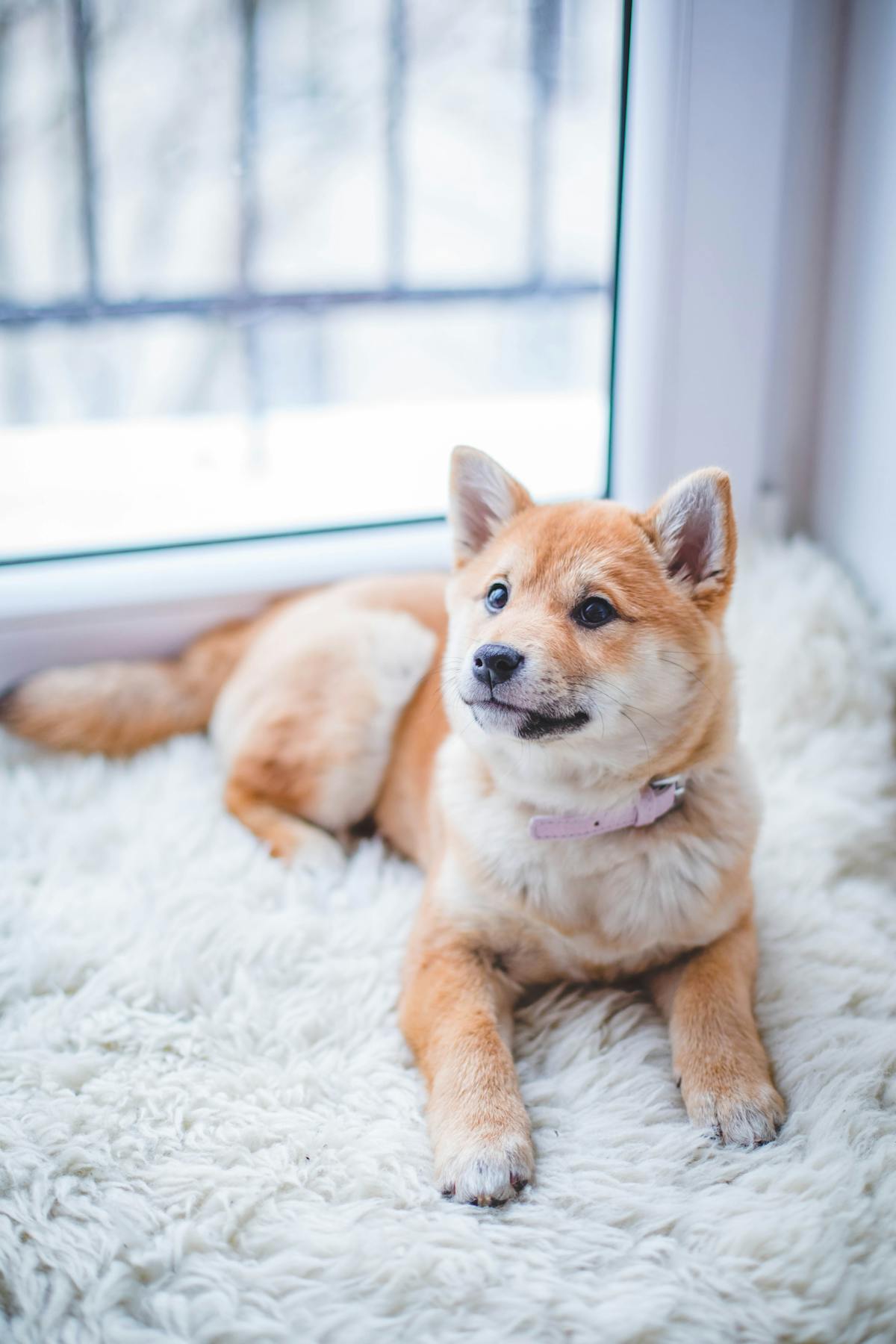
3. Use the crate for short daytime rests, not just nights
Puppies need 18–20 hours of sleep a day, and overtired puppies are the ones that bite, zoom, and lose toilet training. Put your puppy in the crate for enforced naps during the day — an hour or two at a time, after play and a toilet break. This teaches it that the crate is for rest at any hour, and it stops nights from feeling like a sudden, lonely change. Keep a consistent cue, like "bedtime", said cheerfully every time.
4. Never use the crate as punishment
If the crate becomes the place your puppy goes when it is "bad", it will dread it, and crate training will fail. Time-outs, if you use them at all, belong somewhere boring but neutral. The crate must stay associated with treats, chews, meals, and sleep — nothing else. The same applies to children: the crate is the puppy's private room, and children should never reach in, climb in, or tease a crated puppy.
5. Handle the first nights with a plan, not panic
The first few nights, keep the crate beside your bed so your puppy can hear and smell you. When it wakes crying, take it straight outside on a lead, wait quietly for a toilet, then return it to the crate with a calm word — no play, no fuss, no lights. Night waking is normal for young puppies; their bladders simply cannot last eight hours. Expect one or two toilet trips a night for the first weeks, and move the crate gradually further from your bed over a week or two once nights are settled.
6. Respect the time limits for age
A rough rule: a puppy can hold its bladder for about its age in months plus one hour, up to a maximum of around four hours during the day — and crating should never be a substitute for company. A puppy left crated all working day will not be crate trained; it will be distressed and will toilet in the crate, which undoes the training. If you work full days, arrange a midday visit, a dog walker, or daycare. The crate is a tool for naps and short absences, not a full-day solution.

7. Troubleshooting: whining, soiling, and escape attempts
Whining at bedtime usually fades within a few nights if you stay boring and consistent — check toilet, water, and comfort first, then ignore the noise. Soiling in the crate usually means the crate is too big, the puppy was left too long, or it has a stomach upset: shrink the space with the divider, shorten the interval, and see your vet if diarrhoea persists. Escape attempts or genuine panic (not just complaining) are signs of separation anxiety, not disobedience — slow right down, use shorter sessions with food puzzles, and get professional help early rather than forcing it. A tired puppy also settles better, so our indoor enrichment ideas are worth using before crate time.






Crate training is a two-week investment that pays off for years: a dog that settles happily in its crate is easier to travel with, easier to leave with a sitter, and safer at home. Go slowly, keep every association positive, and remember the goal — a puppy that walks into its crate on its own, sighs, and goes to sleep.



0 Comments