Why Does My Cat Scratch the Furniture? 9 Fixes That Save Your Sofa
Your cat is not scratching your sofa out of spite. Scratching is one of the most natural things a cat does: it keeps their claws healthy, stretches their shoulders and back, marks their territory with scent from glands in their paws, and lets off energy and stress. You cannot — and should not try to — stop a cat from scratching. What you can do is redirect it somewhere that is not your furniture.
These nine fixes work together: understand why your cat scratches, give them something better to scratch, and make the sofa less appealing. Most owners see a big improvement within a couple of weeks.

1. First, Understand What Your Cat Is Telling You
Watch where and when your cat scratches. Scratching near a door or window is usually territory marking — your cat is leaving a "this is mine" sign where it matters most. Scratching after a nap is stretching. Scratching the arm of the chair you sit in most often may be about your scent: your cat is mixing their scent with yours, which is actually a compliment.
Knowing the reason tells you where to put the solution. A scratching post hidden in a spare room will not help a cat that scratches by the front door — the replacement needs to be in the same spot, or at least on the same route, as the furniture they chose.

2. Give Them a Scratching Post They Actually Want to Use
Most rejected scratching posts fail for one of three reasons: too short, too wobbly, or the wrong material. A vertical post must be tall enough for your cat to stretch fully — at least 75 cm for an average cat — and heavy and stable enough that it does not wobble or topple. A post that moves when scratched is a post your cat will abandon.
Material matters too. Most cats love sisal rope, but some prefer carpet, cardboard, or bare wood. If your cat scratches the sofa's fabric, try a sisal post; if they shred cardboard boxes, try a flat cardboard scratcher. Offer one vertical and one horizontal option and let your cat vote with their claws.

3. Put the Post Right Next to the Furniture They Scratch
This is the single most skipped step, and the single most important one. Place the new scratching post directly beside the scratched sofa arm — touching it if possible. Your cat already goes to that spot; you are simply offering a better object in the same place.
Once your cat reliably uses the post for a few weeks, you can inch it away, a few centimetres at a time, toward a spot you prefer. Move it too fast and they will go back to the sofa, so be patient with the migration.
4. Make Scratching the Post Rewarding
Cats repeat what pays off. Rub a little catnip on the new post (about half of cats respond to catnip; for the rest, try silvervine), dangle a toy around it, and praise and treat your cat the moment they use it. Play sessions that end at the post are especially effective — a cat that has just "caught" a toy will often stretch and scratch right there.
Never punish scratching after the fact. A cat scolded minutes later has no idea what they did wrong, and punishment near the sofa can make them anxious — which leads to more stress-scratching, not less.

5. Protect the Sofa While the New Habit Forms
While your cat learns to love the post, make the sofa less satisfying to scratch. Double-sided sticky tape made for furniture (applied to the scratched areas) feels unpleasant on paws and most cats give up after a few tries. A washable throw over the favourite arm works too, and it protects the fabric while you train.
Keep the protection on for at least two to three weeks after your cat starts using the post regularly. Removing it too early is the most common reason the habit returns.
6. Trim Claws Regularly — Gently, and Little by Little
Blunt claws do less damage, even when a cat does scratch the wrong thing. Trim just the sharp tip of each claw every two to three weeks, taking care never to cut into the pink quick inside the claw. If you are unsure, ask your vet or groomer to show you once — after that, most owners find it easy.
Make it pleasant: trim one or two claws at a time, paired with treats, rather than wrestling all eighteen in one go. If your cat hates it, stop and try again tomorrow. A calm two-claw session beats a stressful full set every time.
7. Never Declaw — There Are Kinder Options
Declawing is not a manicure: it removes the last bone of each toe, and it can cause lasting pain, behaviour changes, and litter-box problems. It is banned or restricted in many places, and vets increasingly refuse it. Soft plastic nail caps, glued over the claws and replaced every few weeks, are a humane short-term alternative for furniture emergencies, and regular trimming plus good scratching posts solve the problem for most cats without any surgery.
8. Reduce the Stress Behind the Scratching
A sudden increase in scratching often means stress: a new pet, a move, building work, a new baby, or a neighbourhood cat visible through the window. Stressed cats scratch more because scent-marking calms them down.
Help by giving your cat safe high places (a tall shelf or cat tree), hiding spots, and a predictable routine. A plug-in pheromone diffuser in the scratched room can help some cats settle. If the scratching started suddenly and your cat also hides, stops eating, or avoids the litter box, a vet check is worth it — pain and urinary problems can show up as behaviour changes first.

9. Repair, Refresh, and Be Patient
Old scratch marks carry your cat's scent, which invites re-scratching. Clean scratched areas with an enzymatic cleaner, and if the fabric is damaged, cover it with a throw until the new habit is solid. Replace worn-out scratching posts too — a shredded, wobbly post will send your cat straight back to the sofa.
Most cats improve noticeably within two to four weeks of a good post, placed in the right spot, with the sofa protected. You are not fighting your cat's nature; you are working with it, and that is why this approach lasts.
Your Sofa-Saving Checklist
Tall, stable post (plus a horizontal scratcher) in the exact spot your cat scratches. Catnip or play to make the post rewarding. Sticky tape or a throw protecting the sofa for now. Claws trimmed little and often. Stress reduced with high places, hiding spots, and routine. No punishment, no declawing — just a better option, in the right place, at the right time.
Do that, and your sofa gets to retire from scratching-post duty — and your cat keeps the natural behaviour they need. Everybody wins. 🐾
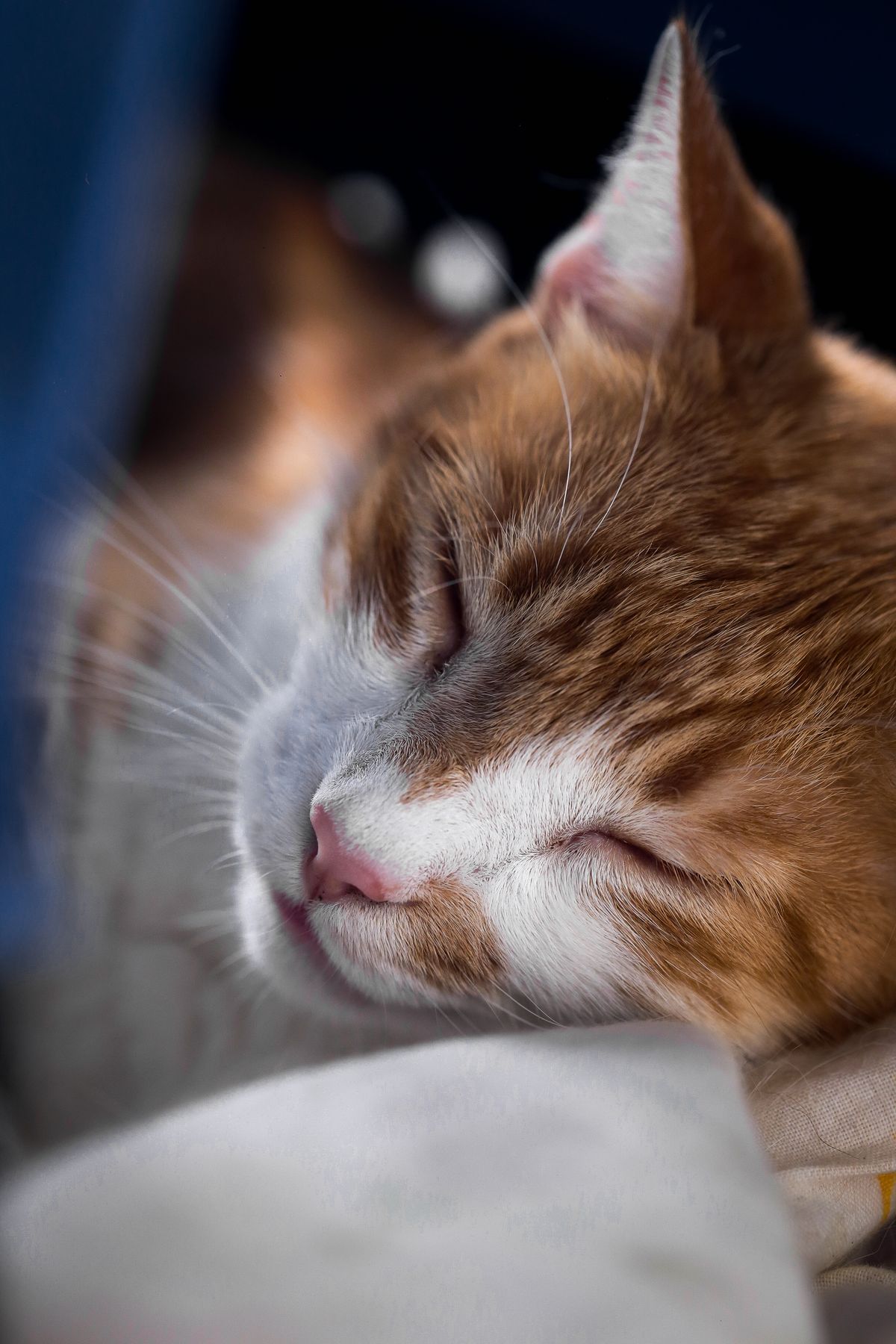
If your cat also needs a better place to sleep, read our 12 cozy DIY cat bed ideas your cat will actually use — a cat with a bed they love is a cat with less reason to take over your sofa entirely.
For more simple, practical ideas for cats, dogs, and the people who rescue them, follow Paws & Second Chances — because every pet deserves a safe place to land. 🐾



0 Comments