Why Does My Dog Chew Everything? 7 Ways to Stop Destructive Chewing
Chewing is normal dog behaviour.
Why Does My Dog Chew Everything? 7 Ways to Stop Destructive Chewing
Chewing is normal dog behaviour — puppies chew to soothe sore gums, adult dogs chew to relieve boredom and stress, and every dog explores the world with its mouth. The problem is not the chewing itself. It is what gets chewed: shoes, remote controls, furniture legs, phone chargers and anything left at nose height. The good news is that destructive chewing is one of the most fixable dog problems, because it almost always has a clear cause and a clear replacement.
Before you try to stop the chewing, work out why your dog is doing it. A teething puppy, a bored adult dog left alone for eight hours, and an anxious rescue dog all chew for different reasons, and they need different fixes. Punishing a dog after you discover the damage never works — your dog cannot connect your anger now with chewing it did an hour ago. It only learns to chew when you are not watching.
1. Why dogs chew: the four common causes
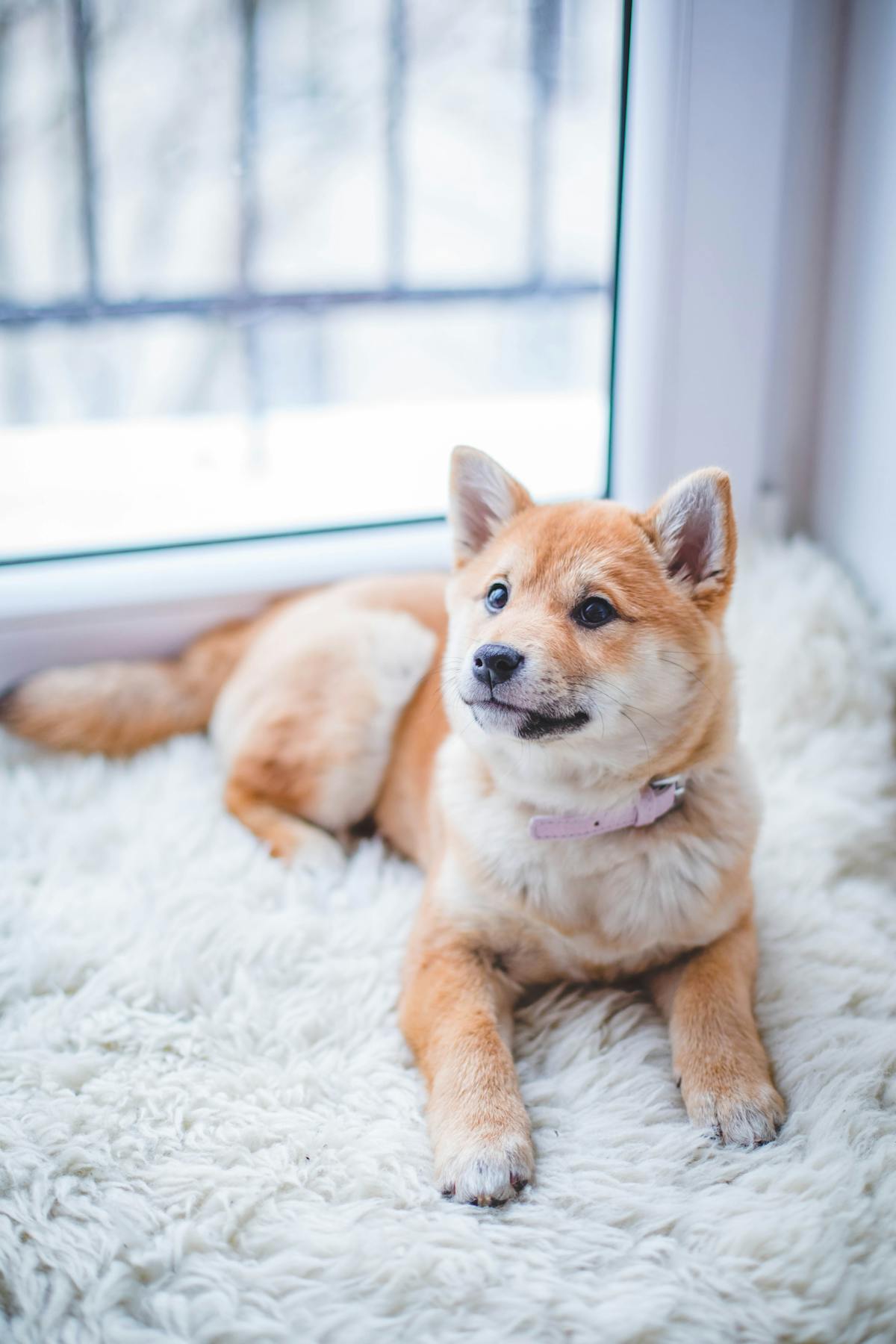
Teething (3–7 months): puppies chew to relieve gum pain, just like babies. They need safe things to gnaw, and they will find their own if you do not provide them. Boredom: an under-exercised, under-stimulated dog invents its own entertainment, and your sofa is very entertaining. Anxiety: dogs with separation anxiety often chew door frames, windowsills and your personal items — things that smell like you — when left alone. Exploration and habit: some dogs simply learned that chewing shoes gets a reaction, or that the coffee table leg tastes good, and the habit stuck.
2. Way 1: Dog-proof the house first
Management beats training in the first week. Pick up shoes, bags, remotes, cables and children's toys. Use baby gates to block rooms you cannot supervise, and keep your dog in one chew-safe room when you leave. This is not giving up — it is stopping the habit from being practised while you teach the replacement. Every time your dog chews the wrong thing successfully, the habit gets stronger.
3. Way 2: Give the right chews — and rotate them
Offer two or three chews matched to your dog's size and chew strength: a rubber toy stuffed with food for gentle chewers, a durable nylon or natural chew for strong chewers, and a frozen stuffed toy for teething puppies. Rotate them every few days so they stay interesting. A chew your dog ignores is not a bad chew — it may just be boring today. Smear a little peanut butter (xylitol-free) inside a rubber toy to get a reluctant chewer started.
4. Way 3: Tire the brain, not just the body
A 20-minute walk rarely tires a young, energetic dog. Add mental work: scatter feeding instead of a bowl, a snuffle mat, a short training session, or a puzzle feeder. Ten minutes of sniffing and problem-solving tires a dog more than a long, boring walk. A tired dog naps. A bored dog remodels your furniture. If chewing happens mostly in the evening, your dog probably needs more enrichment during the day, not more scolding at night.
5. Way 4: Teach "leave it" and the trade game
When your dog picks up something forbidden, do not chase — chasing turns it into a game. Instead, calmly offer a high-value trade: a treat or a favourite toy, in exchange for the item. Say "drop it" or "leave it" as you offer the trade, then praise the swap. Practise with boring items first so the game is easy, then build up. Over time your dog learns that giving things up pays better than guarding them. For a dog that pulls on walks while you work on manners, see how to stop a dog pulling on the leash.
6. Way 5: Redirect every time, calmly and immediately
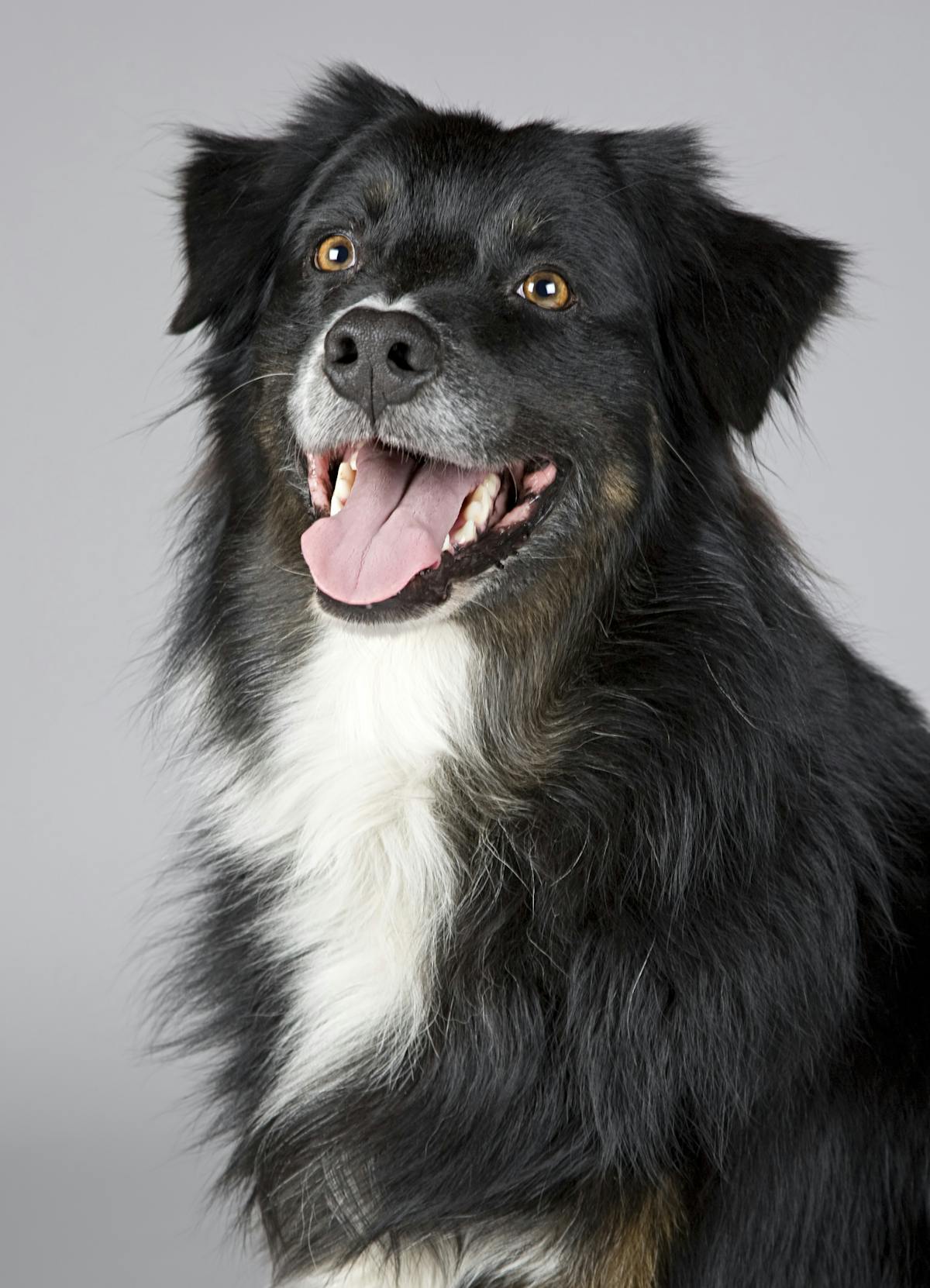
Redirection only works in the moment. The second your dog mouths the wrong thing, interrupt gently — a calm "ah-ah" or a hand clap — then immediately offer the right chew and praise the moment teeth touch it. Do this a hundred times if needed. Dogs learn by repetition, not by one dramatic telling-off. If you only catch the chewing after the fact, skip the scolding entirely and go back to management: the item should not have been reachable.
7. Way 6: Fix the alone-time problem
If chewing happens only when you leave, suspect separation anxiety rather than naughtiness. Build up absences gradually: leave for 30 seconds, return calmly, then a minute, then five. Leave a food puzzle or frozen toy that only appears when you go out, so departures predict good things. Keep arrivals and departures low-key — no big emotional goodbyes. If your dog panics, drools, howls, or injures itself trying to escape, talk to your vet or a qualified behaviourist; severe anxiety is a medical and training issue, not a manners problem.

8. Way 7: What not to do
Never rub your dog's nose in the damage, shout after the event, or use bitter sprays as your only plan — sprays can deter one item but teach nothing. Never give cooked bones, which splinter, or tiny toys a powerful chewer can swallow. And never leave a puppy unsupervised with a new chew until you know how it chews it. Supervise the first few sessions with every new toy, and throw away any chew that breaks into small pieces.
9. A simple 7-day chewing reset
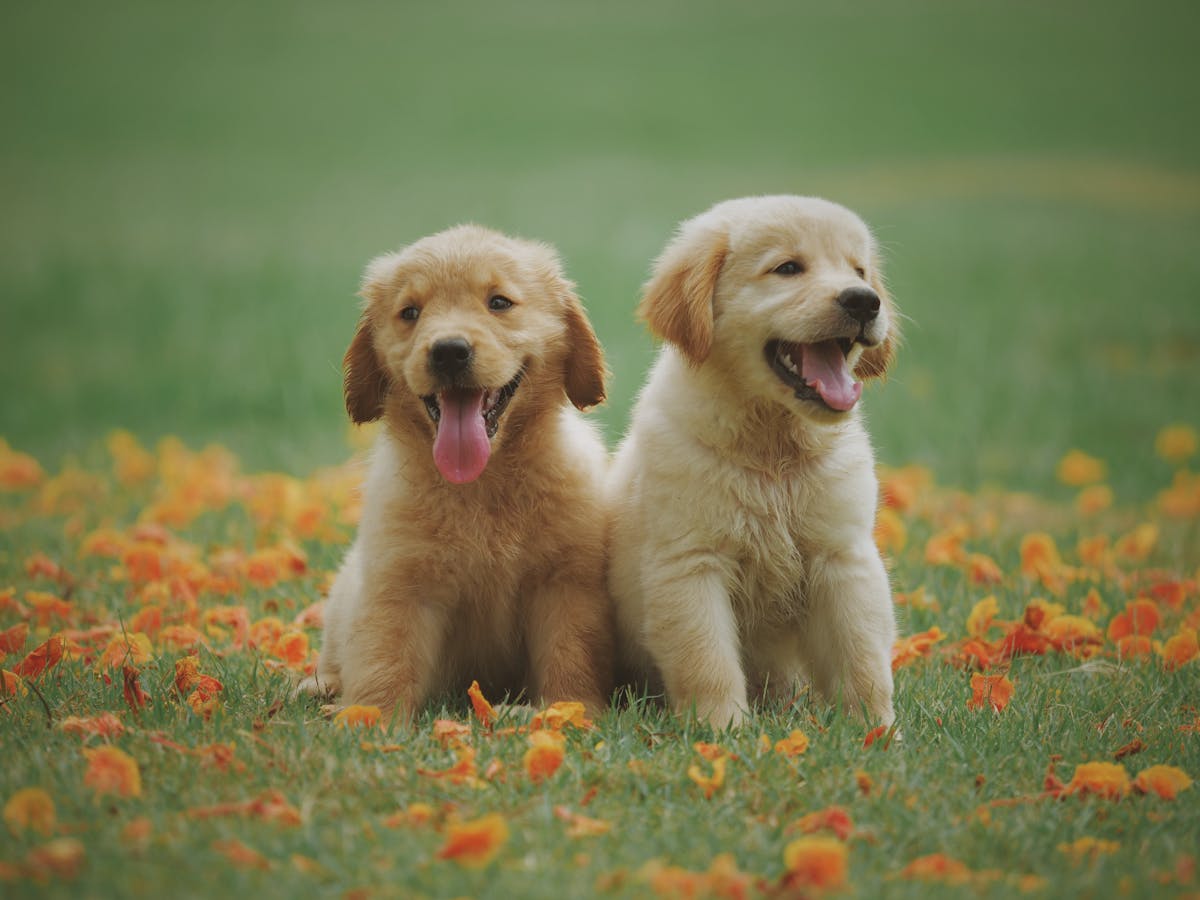
Day 1–2: dog-proof one room and stock it with three rotated chews. Day 3–4: add a morning puzzle feeder and a short training session. Day 5: practise "leave it" and trades for five minutes, twice a day. Day 6–7: practise short alone-time departures with a frozen toy. Most owners see a big drop in damage within two weeks — not because the dog was "taught a lesson", but because the need behind the chewing was finally met. If your new puppy is the chewer, our new puppy checklist covers chew-safe setup for the first week at home.



When to call the vet: sudden chewing in an adult dog that never chewed before, chewing with drooling, pawing at the mouth, or broken teeth, or any swallowed object — call your vet the same day. Otherwise, be patient, be consistent, and remember: a dog that has the right thing to chew will usually leave your shoes alone.



0 Comments