Why Does My Dog Ignore Commands? 7 Training Fixes That Actually Work
Your dog knows "sit" perfectly in the kitchen and completely forgets it at the park. That is not stubbornness — it is training that never left the kitchen. Dogs do not generalize well: a command learned in one room, with no distractions, is a different skill from the same command in a busy park. These seven fixes close that gap, and they work for puppies and adult dogs alike.
Before you start, rule out the basics: hearing problems in senior dogs, pain that makes sitting or lying down uncomfortable, and simply being overtired or over-excited. A dog that cannot settle cannot learn. Keep sessions to five minutes, end while your dog is still succeeding, and train before meals so treats actually motivate.
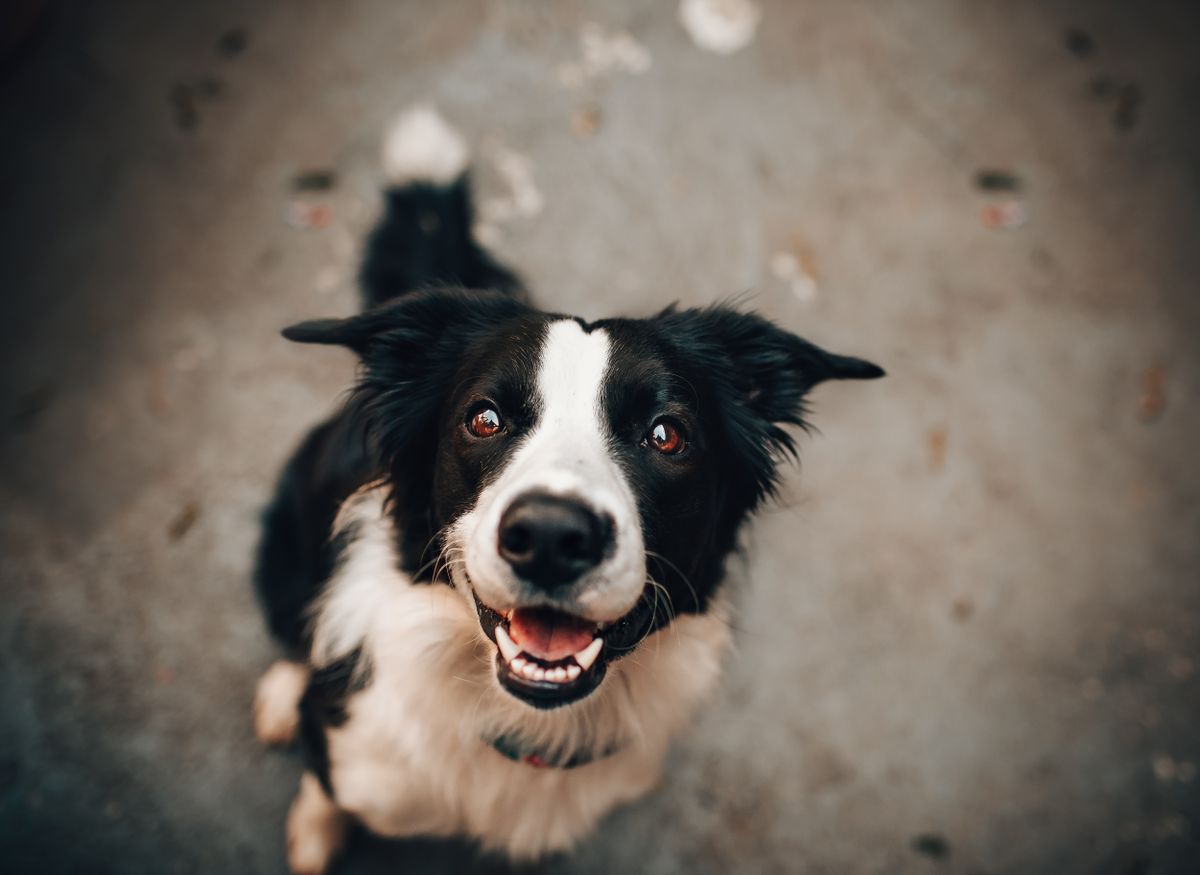
1. Retrain every command in 5 new places
Take each known command and practise it in five places: another room, the garden, the pavement outside, a quiet park, and a friend's house. Start easy in each new place — reward the first correct response generously — and only add difficulty once your dog succeeds there. This single step fixes most "he only listens at home" problems.
2. Raise distractions one notch at a time
Distractions have levels: an empty room, then a family member walking past, then another dog at a distance, then a squirrel. If your dog fails, you jumped two levels, not one. Go back to the last level where they succeeded, get five easy wins there, and try the harder level again tomorrow.
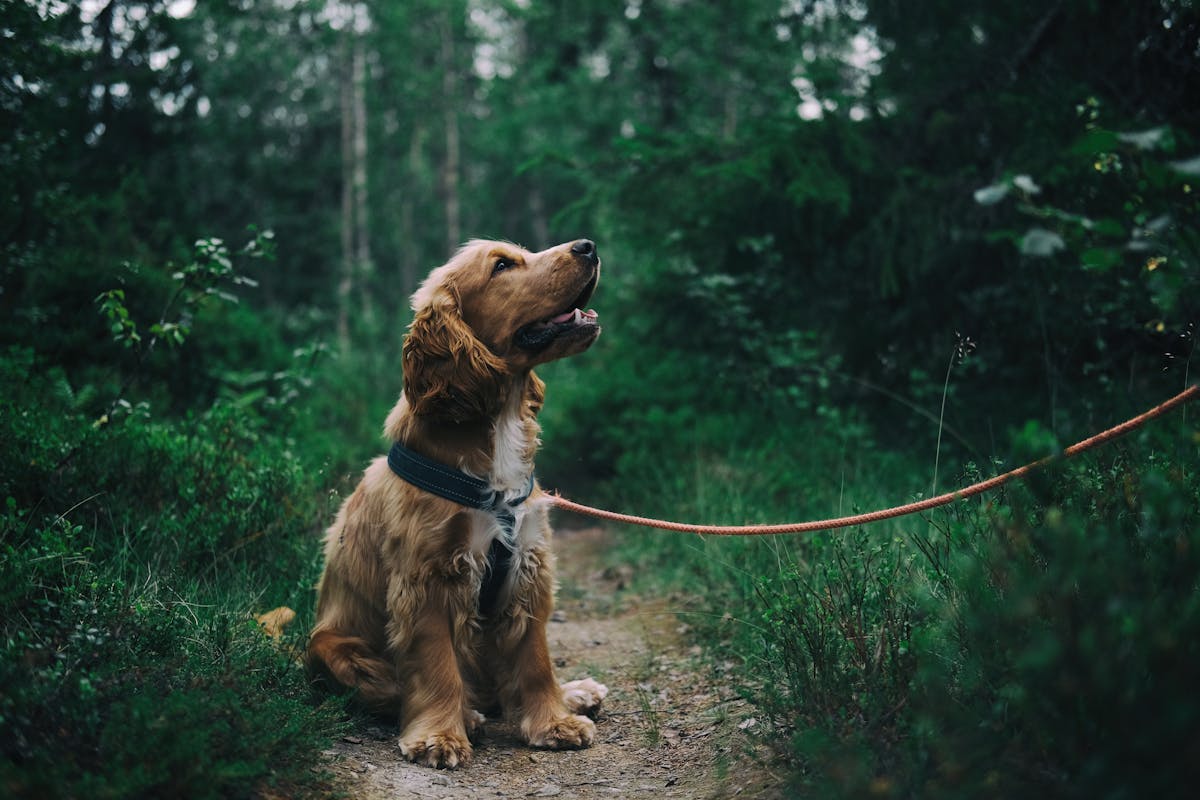
3. Pay better than the distraction
If the park is more exciting than a dry biscuit, your dog is making a rational choice. Use high-value rewards outdoors — small pieces of chicken, cheese, or sausage — and save the boring biscuits for easy indoor reps. The reward must beat the environment, or the environment wins.
4. Stop repeating the command
Saying "sit, sit, SIT!" teaches your dog that the first two sits mean nothing. Say it once, wait three seconds, and if nothing happens, calmly reset — lure them into position, reward, and try again. One word, one chance, one reward: that is how a command stays a command instead of background noise.
5. Reward the choice, not just the trick
Catch your dog being good without being asked: looking at you on a walk, settling on their bed, choosing to come closer. Mark and reward those moments. Dogs repeat what pays, and a dog that is rewarded for checking in will start checking in on its own — which is the foundation of reliable recall. Our 7-step recall guide builds directly on this habit.
6. Fix the leash first if walks are chaos
A dog that pulls constantly is already over-aroused before you ask for anything else. If walks are a struggle, sort the leash before expecting obedience outdoors — our leash-pulling steps cover the stop-and-reset method that calms walks down enough for training to work.
7. Keep a training diary for two weeks
Write down one line per session: place, distraction level, success rate. Patterns jump out fast — maybe your dog is perfect mornings but hopeless evenings, or fine with people but not with dogs. Train the weak pattern specifically instead of repeating the same generic session. Most owners see a clear improvement within two weeks of targeted practice.




Dogs do not ignore commands to annoy you — they ignore commands they have not yet learned to obey everywhere, against real distractions, for a reward worth having. Retrain in new places, raise distractions slowly, pay well, and stop repeating yourself. Do that for two weeks and the dog that "never listens" at the park will start surprising you.



0 Comments