How to Keep Your Dog Calm at the Vet: 7 Stress-Free Visit Tips That Work
Short answer: A calm vet visit is built before you ever reach the clinic: happy visits where nothing happens, handling practice at home, a calm car ride, and a waiting-room plan. On the day, your own calm matters as much as any trick — dogs read your tension instantly. Start the preparation a week or two before the appointment, not in the car park.
Vet fear is common and it is not your dog being difficult. Clinics smell strange, floors are slippery, strangers touch sensitive places, and previous visits may have hurt. Every step below makes the next visit easier, because a dog that expects good things at the clinic stops dreading it.
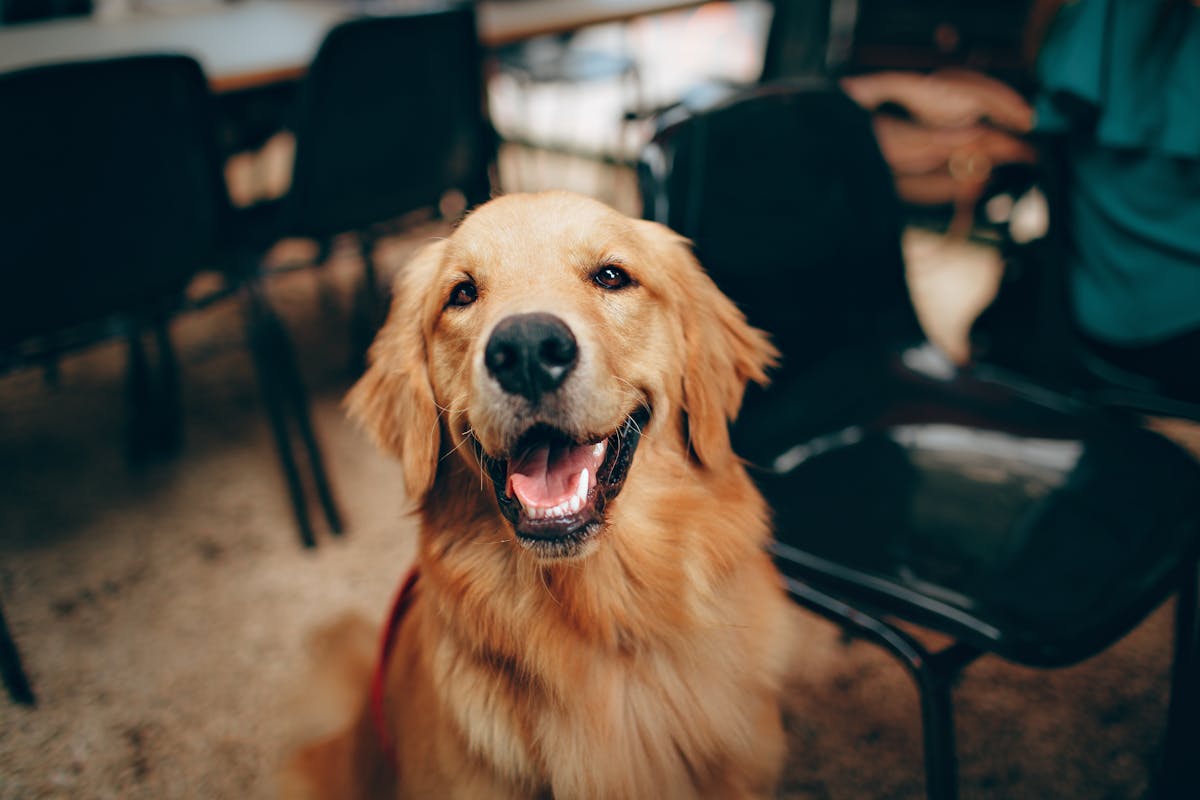
1. Happy visits: the clinic as a treat place
Visit the clinic two or three times with no appointment: walk in, get treats from reception if they offer them, weigh your dog, and leave. That is it. The goal is a new association — clinic equals treats and a short visit — to replace the old one, where every clinic trip ended in a needle or an examination.
Keep these visits short and positive, and leave before your dog gets stressed. If your dog will not enter at all, start in the car park with treats, then the doorway, then inside over several days. Small steps beat one brave push that ends in panic.

2. Practise the exam at home
Once a day for a week, practise the exam itself: lift the lips, look at the teeth, touch the ears, lift each paw, and gently hold the tail, rewarding calm cooperation each time. Practise standing still on a non-slip mat, since slippery tables frighten many dogs. Keep sessions to two minutes and always end on a success.
Also practise the pieces owners forget: being held by someone else, wearing a muzzle briefly (see below), and having their temperature-area handled gently. A dog that has felt all of this at home, from a trusted person, copes far better when a stranger does it at the clinic. Ear handling is a good place to start, since ears are checked at almost every visit — our guide to cleaning a dog's ears at home shows the gentle touch to practise.
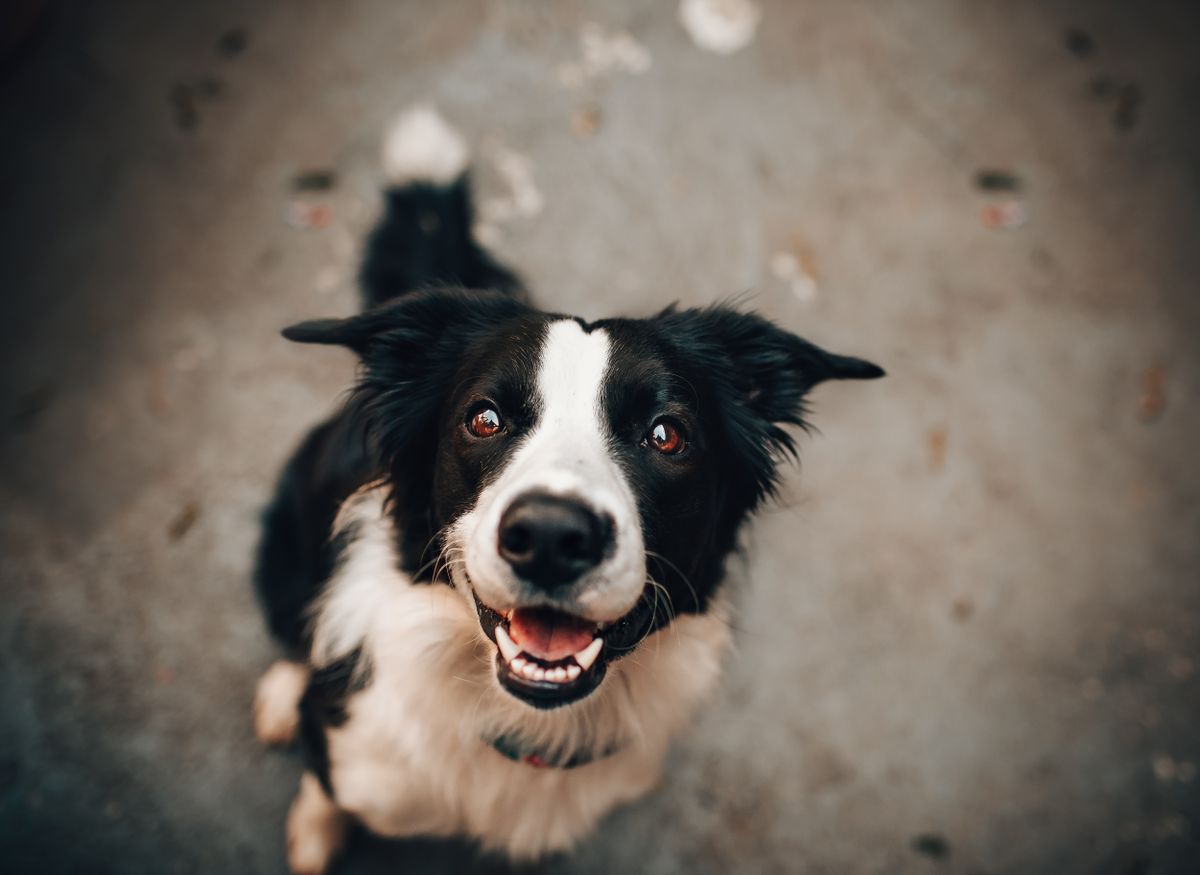
3. The car ride and the waiting room
Arrive early, not rushed: a hurried, stressed owner creates a stressed dog before the door opens. Give a short walk and a toilet break first, so the dog arrives settled, not bursting. In the waiting room, choose a quiet corner, keep your dog's lead short but loose, and use a mat or blanket from home as a familiar island on the slippery floor.
If other dogs excite or frighten yours, wait outside or in the car and ask reception to call you when the room is clear — clinics do this routinely, and it is not an imposition. Bring high-value treats or a lick mat for the wait, unless the vet has asked you not to feed before the visit. A dog licking a mat is a dog that is not scanning the room for threats.
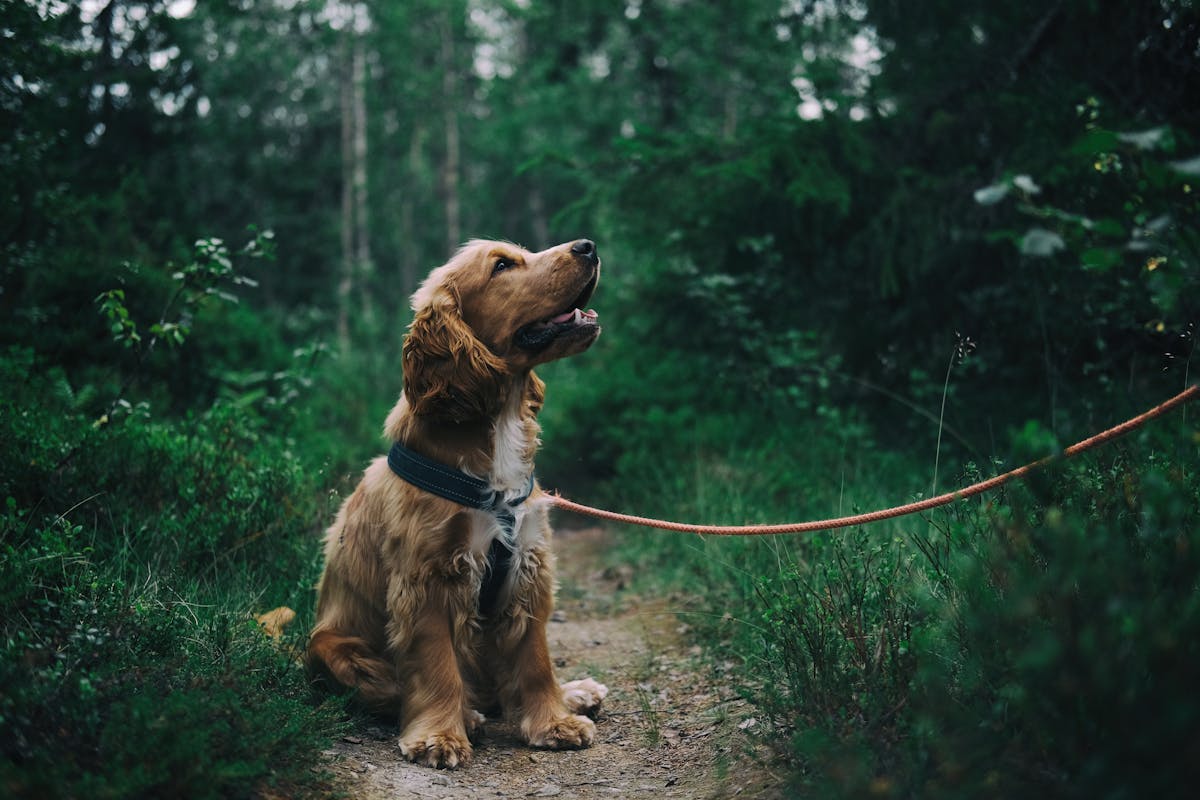
4. What to ask your vet to change
You are allowed to ask for changes, and good clinics welcome them: a longer appointment slot so your dog can settle, an exam on the floor instead of the table for large or fearful dogs, treats throughout the exam, and pauses when your dog shows stress signs. Ask the vet to let your dog sniff the room and the equipment first, and to start with the least invasive checks.
Tell the vet honestly how anxious your dog is, and what has helped before. If your dog needs medication for severe anxiety, ask about it well before the visit — most calming medications need to be given hours ahead, not in the waiting room. A vet that knows the plan can work with it; a vet that discovers a terrified dog mid-exam cannot.

5. Muzzle training, done kindly
If your dog may need a muzzle, train it as a treat dispenser, not a punishment: smear a little peanut butter or cream cheese inside a basket muzzle, let the dog push its nose in voluntarily, and build up to wearing it for a minute at home, rewarded throughout. A dog that loves its muzzle is a dog that stays safe and calm during a painful procedure.
Never spring a muzzle on a dog for the first time at the clinic. That experience teaches the dog that muzzles mean bad things, and the next visit starts worse. Two weeks of short, happy muzzle sessions at home change the whole story. Our pet first-aid kit guide also covers the calm handling that helps in any emergency.
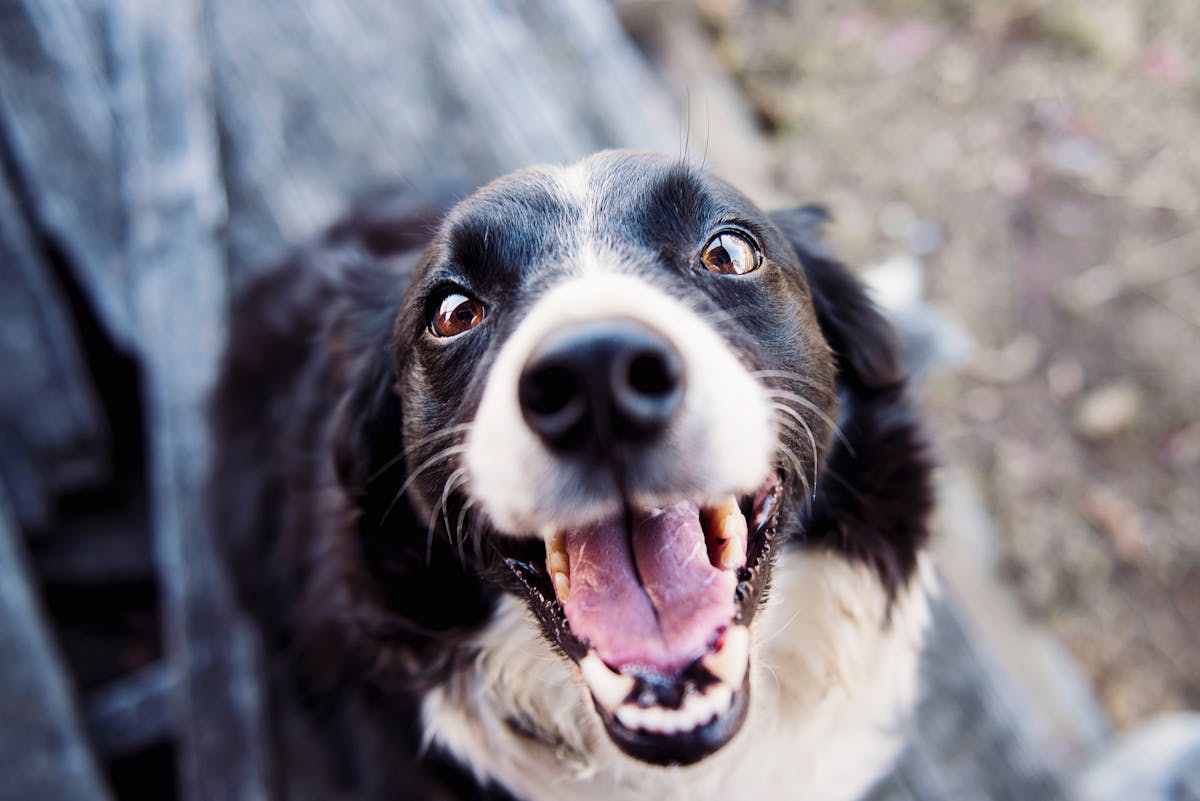
6. After the visit: close the loop
End every visit well: a short walk, a favourite treat, and a calm evening at home. Do not scold a dog for being frightened at the clinic — fear is not disobedience, and scolding teaches the dog that the whole day, including you, is part of the scary experience. Note what worked and what did not, so the next visit starts from a better plan.
If your dog refused treats entirely, trembled throughout, or tried to bite, that is not a failure — it is information. Tell your vet, ask about a behaviour plan or pre-visit medication, and book a happy visit before the next real appointment. Dogs Trust's guide to staying calm at the vet covers the same waiting-room and consultation-room steps and is worth sharing with anyone who walks your dog to appointments.

7. Pre-visit checklist
The week before: daily handling practice, one happy visit, muzzle practice if needed. The day before: confirm the appointment time, prepare treats and a mat, and check fasting instructions. On the day: walk and toilet first, arrive early, wait in a quiet spot, and use treats generously. After: a walk, a treat, and a note of what to repeat next time. Small preparation, repeated every visit, is what turns a dreaded appointment into a routine errand.




0 Comments