Why Does My Cat Follow Me Everywhere? 7 Reasons and When to Worry
Short answer: Most of the time, a cat following you around is a compliment: you are their safe person, their food source, and the most interesting thing in the house. Cats follow for affection, for food, for play, for curiosity, and sometimes for comfort when they feel unwell or anxious. The job is to tell which reason is driving your cat, because affection needs nothing, while sudden anxious following needs attention.
Cats are not the aloof creatures of stereotype. They form strong attachments, learn your routines, and patrol their territory — which includes you — as part of normal social behaviour. A relaxed cat that pads after you from room to room, sits nearby, and then wanders off is simply being a cat.

1. Affection and bonding
Bonded cats follow quietly: they sit near you rather than on you, blink slowly, purr, and settle once they are close. Certain breeds — Ragdolls, Siamese, Bengals, Maine Coons — are famously people-oriented and follow more than average. If your cat has always done this, is relaxed while doing it, and eats, plays, and sleeps normally, it is bonding, not a problem.
Bonding following often increases after a change that makes the cat value you more: a new home, a new pet, or a period when you were away. The cat is checking that their safe person is still there. Give them calm attention on your terms — a greeting, a short play session — and they usually settle.

2. Hunger, routine, and learned following
A cat that follows you mainly into the kitchen, or that starts following an hour before mealtime, is following the food. Cats learn fast: if following you has ever produced a treat, a meal, or a door opened, following becomes a strategy. That is not manipulation, it is learning, and it is easy to accidentally strengthen.
Fix food-following with routine, not with extra feeding: feed at set times, in set amounts, and do not feed from the table or in response to following. A timed feeder can break the link completely, because food then comes from the machine, not from shadowing you. The same routine principle that helps a cat that wakes you at 3 a.m. helps here — predictable meals make a calmer cat.
3. Boredom and curiosity
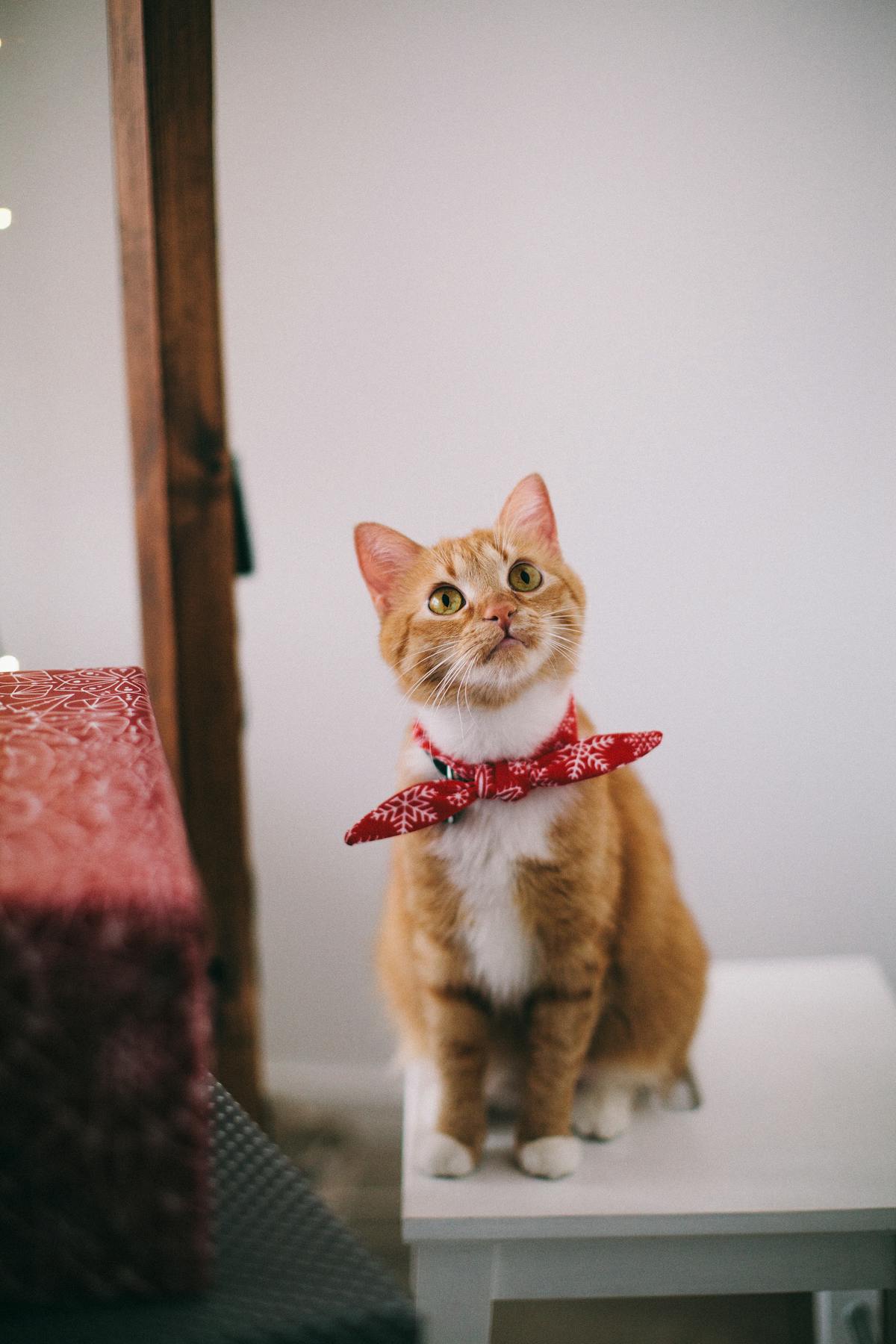
A bored cat follows you because you are the entertainment. If the following comes with restlessness, knocking things over, or demanding play, the cat needs more to do: window perches, puzzle feeders, climbing spots, and two real play sessions a day. A cat with a rich environment follows less, because the house itself becomes interesting.
Curiosity following is different: the cat follows you into a room they do not usually enter, investigates, and leaves. That is territory patrol, and it is healthy. Let them explore safely, and do not punish it — a cat that is allowed to check new spaces is a confident cat.

4. Anxiety and insecurity
Anxious following looks different: the cat stays glued to you, meows when you leave the room, hides when visitors come, or follows only since a stressful event — a move, a new baby, a lost companion, building work. Anxious cats may also over-groom, avoid the litter box, or eat less. These cats are not being clingy for fun; they are seeking safety.
Help an anxious cat by keeping routines steady, adding safe hiding spots and high perches, and using play to build confidence. Feliway-type pheromone diffusers help some cats. Never punish anxious following — it increases the anxiety that causes it. If the anxiety is severe or sudden, a vet can rule out pain and discuss behaviour support.
5. The bathroom question
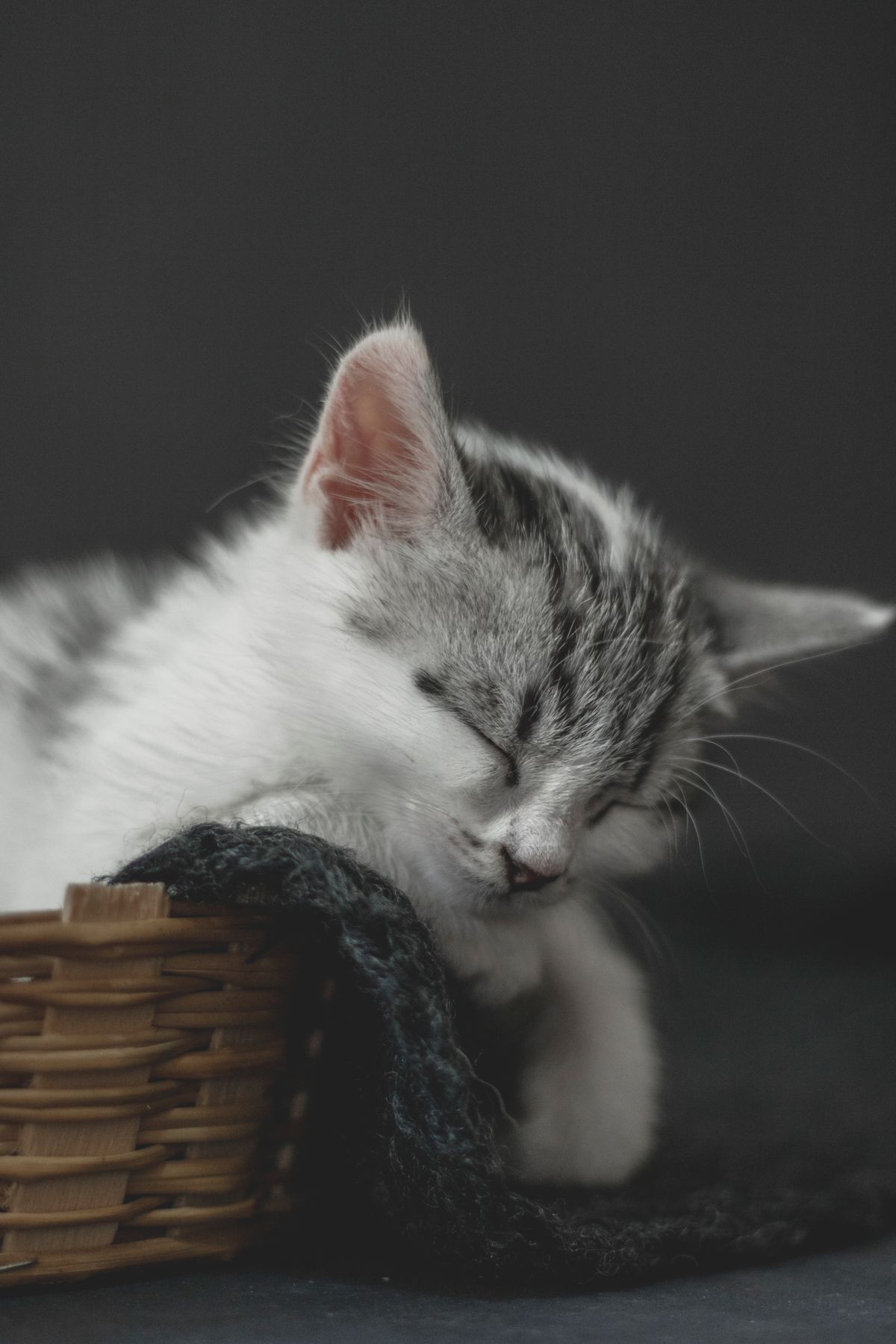
Cats follow you to the bathroom for the same mix of reasons, plus two bathroom-specific ones: bathrooms are small, scent-rich rooms where you sit still and are therefore easy company, and they contain fascinating things — dripping taps, toilet paper, towels on the floor. Some behaviourists also note that cats, who feel vulnerable while toileting, may stay close to their person for the same protective reason they want company themselves.
If bathroom following bothers you, give the cat something better outside the door: a treat puzzle or a perch by a window, offered just before you go in. Do not lock a distressed cat out suddenly — build the alternative first, and keep the door routine calm.
6. When following needs a vet
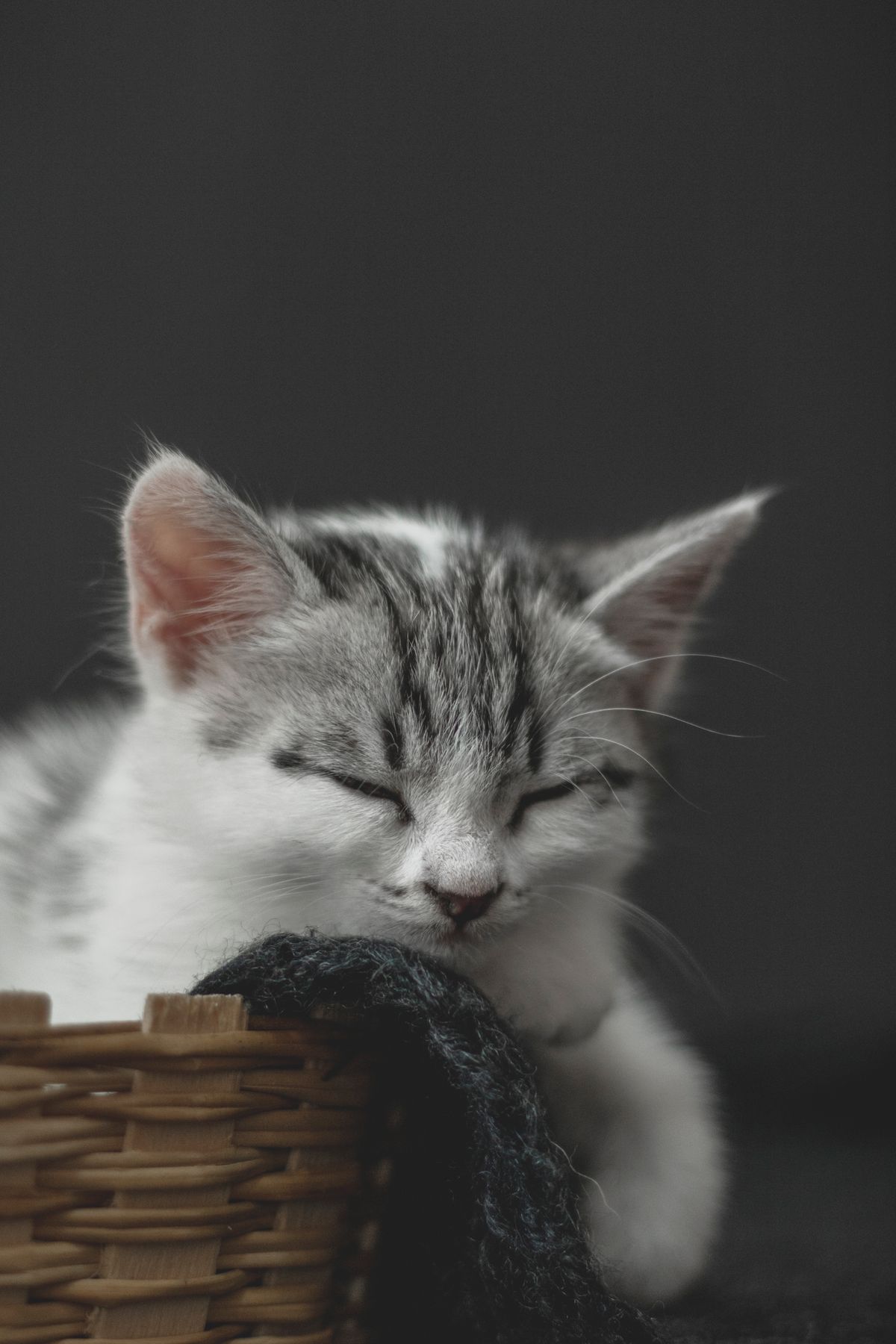
Call your vet if following starts suddenly in an adult cat, especially with other changes: eating more or less, drinking more, weight loss, vomiting, hiding, or restlessness at night. Sudden clinginess can signal pain, hyperthyroidism, cognitive decline in seniors, or anxiety after a loss. A cat that hides all the time as well as following you in bursts is sending mixed signals that deserve a check.
Keep a one-week note before the visit: when the following happens, what else changed, and any eating, drinking, litter, or sleep changes. Vets find that note genuinely useful, and it often points straight to the cause. PetMD's guide to cats following their owners lists the same warning signs and is a good second opinion.

7. Living happily with a shadow cat
For most owners, the answer is simple: enjoy it, set a routine, and give the cat enough play and enrichment that following is a choice, not a need. Feed on schedule, play twice a day, keep a perch where the cat can watch you without being underfoot, and greet the cat calmly when you come home. A shadow cat is usually a happy cat — the only ones to worry about are the ones whose shadowing suddenly changes.





0 Comments