New Puppy's First Week at Home: 7 Days, Step by Step
Short answer: A new puppy's first week should be small, boring, and predictable: one room, a set toilet routine every hour or two, short play sessions, and lots of sleep. Expect accidents, crying at night, and clinginess — all normal — and do not try to teach everything in week one.
The first week sets the tone for your puppy's whole life with you. Puppies have just left their mother and littermates, and everything — your home, your smells, your sounds — is new. The owners who have the easiest first month are the ones who keep week one calm and consistent, not the ones who show the puppy everything on day one.
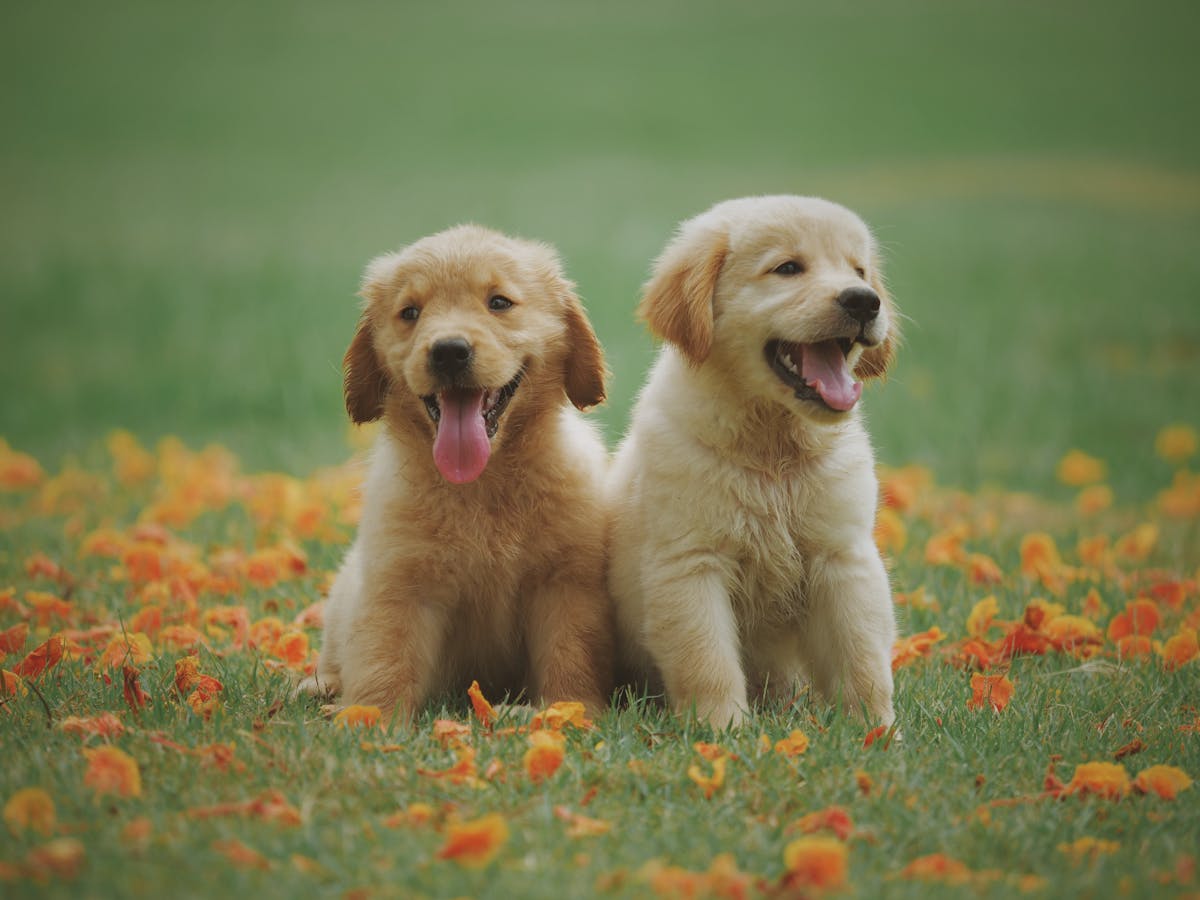
Day 1: One room, one routine
Start in a single puppy-proofed room with a crate or pen, water, toys, and a toilet area nearby. Let the puppy explore that room, then rest. Take it out to toilet after waking, eating, playing, and every hour or two. Keep visitors away on day one — your puppy needs to learn you first. Expect some whining; comfort calmly without making a big fuss.
Day 2–3: Learn the basics of your puppy
By day two you will start to see your puppy's toilet signals, appetite, and energy pattern. Feed the same food the breeder or shelter used, at the same times each day — sudden food changes cause upset stomachs. Begin name recognition with treats, and start the crate as a happy place with meals and chews inside, door open.

Nights: Expect crying, and plan for it
Night crying is normal — your puppy has never slept alone. Put the crate near your bed for the first nights so your puppy can hear and smell you. Take it out once or twice in the night for a boring toilet trip: no play, no lights, straight back to bed. Most puppies settle within a week if nights stay calm and predictable. Our guide to puppy's first night at home covers this in more detail.
Day 4–5: Gentle socialisation, at the puppy's pace
Short, positive exposures beat big outings: a car ride sitting on your lap, the sound of the vacuum from another room, meeting one calm adult at home. Carry your puppy in public places until vaccinations are complete — paws on the ground in busy areas is a disease risk. Watch for stress signs like yawning, lip licking, or trying to hide, and end the experience while it is still positive.
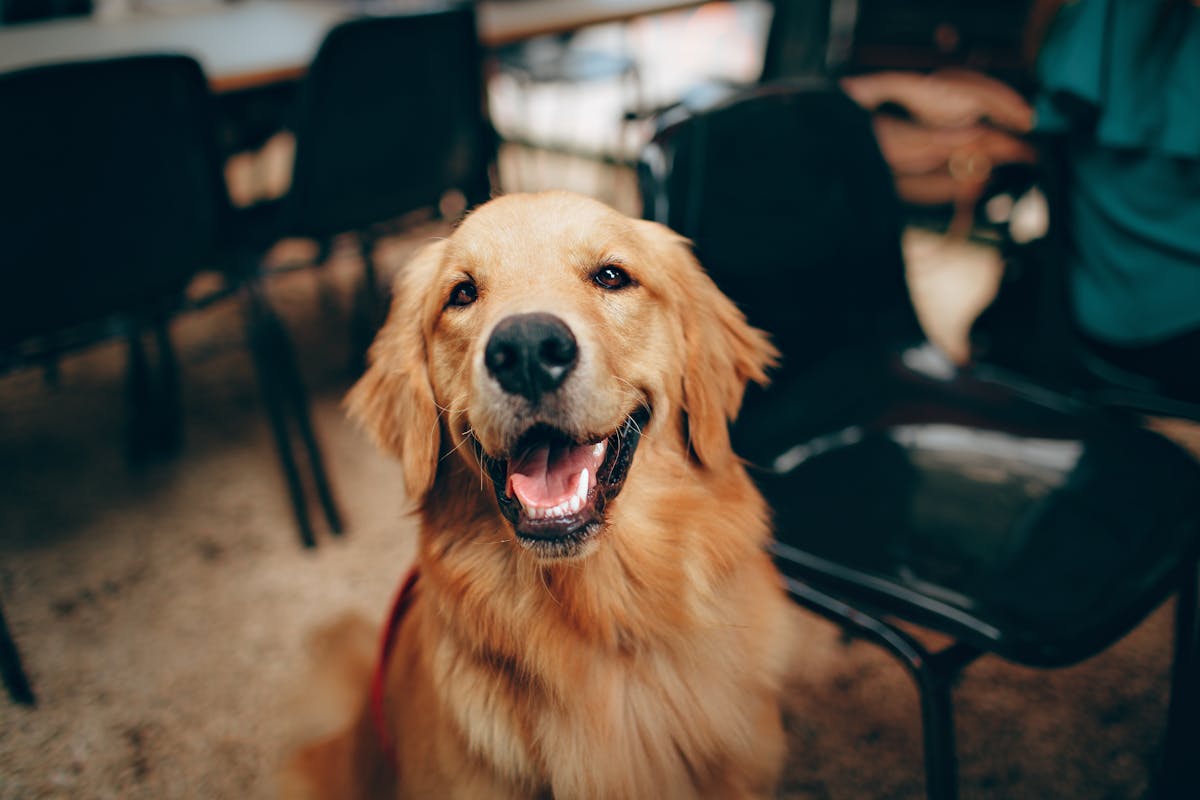
Day 6–7: Build the routine you will actually keep
By the end of the week, settle into a routine you can sustain: morning toilet and feed, play and training in short bursts, enforced naps, evening wind-down. Puppies need 18 to 20 hours of sleep a day, and an overtired puppy bites, jumps, and cannot learn. A crate or pen is not punishment — it is how a puppy gets the sleep it needs.
Toilet training: the honest version
Accidents are not defiance; a young puppy physically cannot hold it for long. Reward every outdoor success immediately, clean accidents with an enzymatic cleaner, and never punish after the fact — your puppy will not connect it to the accident. Consistency across everyone in the home matters more than any single trick, and our potty training guide builds on this first week.

What to buy, what to skip
You need: food, a crate or pen, a bed, a lead and harness, a few chew toys, poo bags, and an enzymatic cleaner. You do not need in week one: dozens of toys, a dog bed for every room, or a complex training programme. For a full checklist, see the AKC's guide to a puppy's first week: AKC: Your Puppy's First Week.
First-week checklist
Book the vet visit for this week, and bring the vaccination and feeding records. Start a simple log: toilet times, meals, and any worrying signs like diarrhoea lasting more than a day, vomiting, or lethargy. Call the vet about those promptly — puppies dehydrate fast. Otherwise, relax: a calm first week, repeated daily, is the best training you will ever do.





0 Comments