Pet-Safe Indoor Plants: 10 Beautiful Plants That Won't Harm Cats or Dogs
Short answer: The safest popular houseplants for homes with cats and dogs are spider plants, Boston ferns, calatheas, and peperomias — all non-toxic, attractive, and hard to kill. Avoid lilies entirely with cats, and always check a plant on the ASPCA list before buying, because many best-selling plants are toxic.
Pet owners love plants, and pets love chewing plants. That combination goes wrong often: lilies can cause kidney failure in cats from a single nibble, and sago palms are deadly to dogs. The fix is not giving up plants — it is choosing from the safe list and placing even safe plants where chewing is limited.

1. Spider plant — the classic beginner plant
Spider plants are non-toxic to cats and dogs, tolerate neglect, and produce baby plantlets that dangle temptingly. Cats do love batting at those plantlets, and eating a lot can cause mild stomach upset, so hang it high. It is the safest first plant for a pet home.
2. Boston fern — lush, soft, and safe
Boston ferns are non-toxic and love humidity, making them ideal for bathrooms. They need regular watering and indirect light, and they forgive a missed week better than most ferns. Keep the soil moist but not soggy, and mist occasionally in dry homes.

3. Calathea — the patterned showpiece
Calatheas, including prayer plants, are non-toxic and famous for patterned leaves that fold up at night. They prefer indirect light and consistent moisture, and they sulk in direct sun or dry air. If you want a statement plant that is genuinely pet-safe, start here.
4. Peperomia — small, varied, and tough
Peperomias come in dozens of leaf shapes and colours, stay compact, and are non-toxic to cats and dogs. They need little water and indirect light, making them perfect for shelves and desks — though a shelf a cat can reach is still a shelf a cat will investigate.

5. More safe favourites
Also non-toxic: areca palm, parlour palm, bamboo palm, African violets, orchids (phalaenopsis), and most true ferns. Orchids are a good choice for cat homes because their flowers are non-toxic, though a determined cat will still knock the pot over. Choose heavy pots for floor plants and hang trailing plants out of reach.
6. The danger list: plants to never bring home
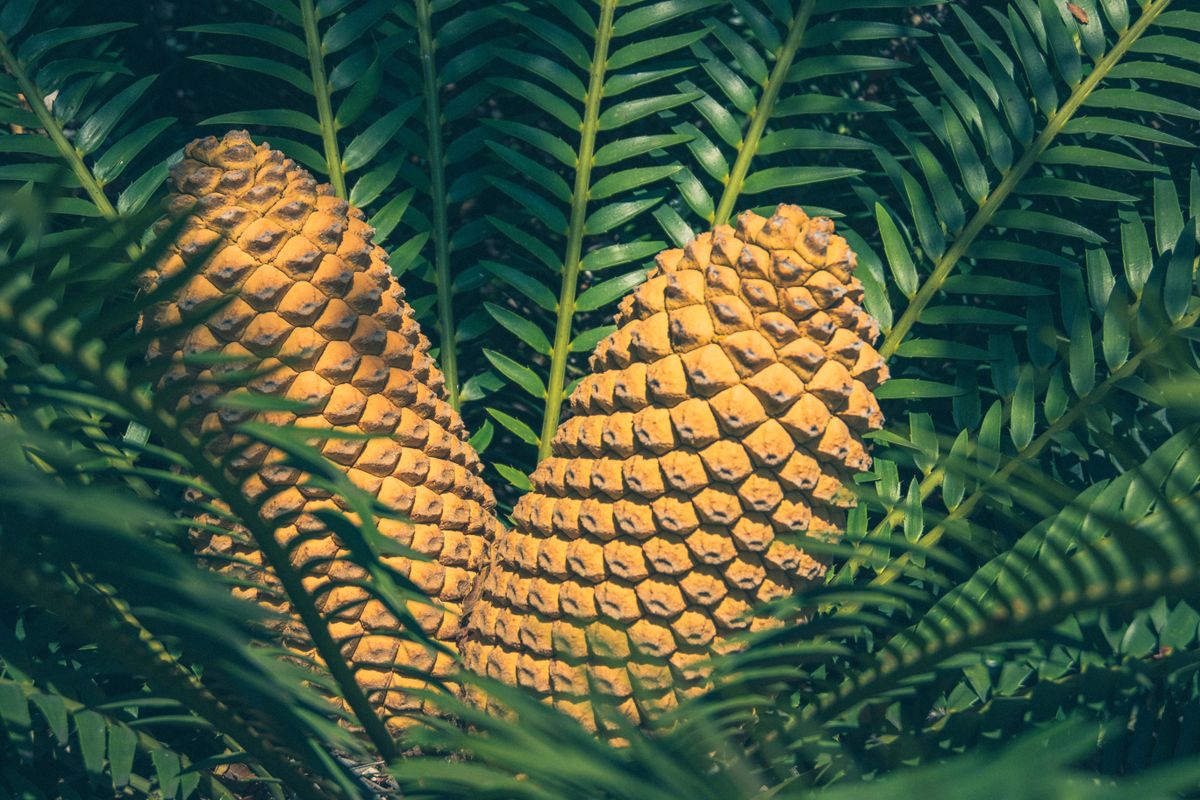
Never bring lilies into a cat home — all true lilies are extremely toxic to cats, including pollen and vase water. Also avoid sago palm (deadly to dogs), oleander, foxglove, and dieffenbachia. Pothos, monstera, and peace lilies are mildly to moderately toxic: they cause mouth irritation and vomiting, so keep them hung high or skip them if your pet chews plants.

7. Placement matters as much as the plant
Even a non-toxic plant can cause vomiting if a pet eats a large amount, and soil can carry fertiliser or pests. Use hanging planters, high shelves with no landing spot, and closed terrariums for tempting trailing plants. Give cats their own safe greens — a pot of cat grass or wheatgrass — so they have something legal to chew.
How to check any plant before you buy
Search the plant's botanical name, not just its shop name, on the ASPCA Toxic and Non-Toxic Plant List — it is the standard reference vets use: ASPCA: Toxic and Non-Toxic Plants. If you cannot find it there, do not buy it until you can. And if your pet eats an unknown plant, call your vet or poison control with the plant name and a photo, rather than waiting for symptoms.
Plant safety is part of the same home-safety habit as kitten-proofing your home and keeping your cat warm in winter — small checks, done once, that prevent emergencies later.






0 Comments