Puppy Socialisation: The First 100 Days Checklist That Actually Works
Short answer: Socialise your puppy in the first 100 days with a few short, happy exposures every day — different people, sounds, surfaces, and handling — always at a distance where the puppy stays relaxed and can take a treat. Quality beats quantity: one calm five-minute experience beats an overwhelming hour, and the window that matters most is roughly 3 to 14 weeks old.
New owners hear two opposite instructions: socialise early, and keep the puppy inside until vaccinations finish. Both are partly right, and the tension between them is the whole problem. The answer is not to pick one — it is to socialise safely, from your arms, your car, and clean ground, while the window is open.
1. Why the first 100 days matter so much
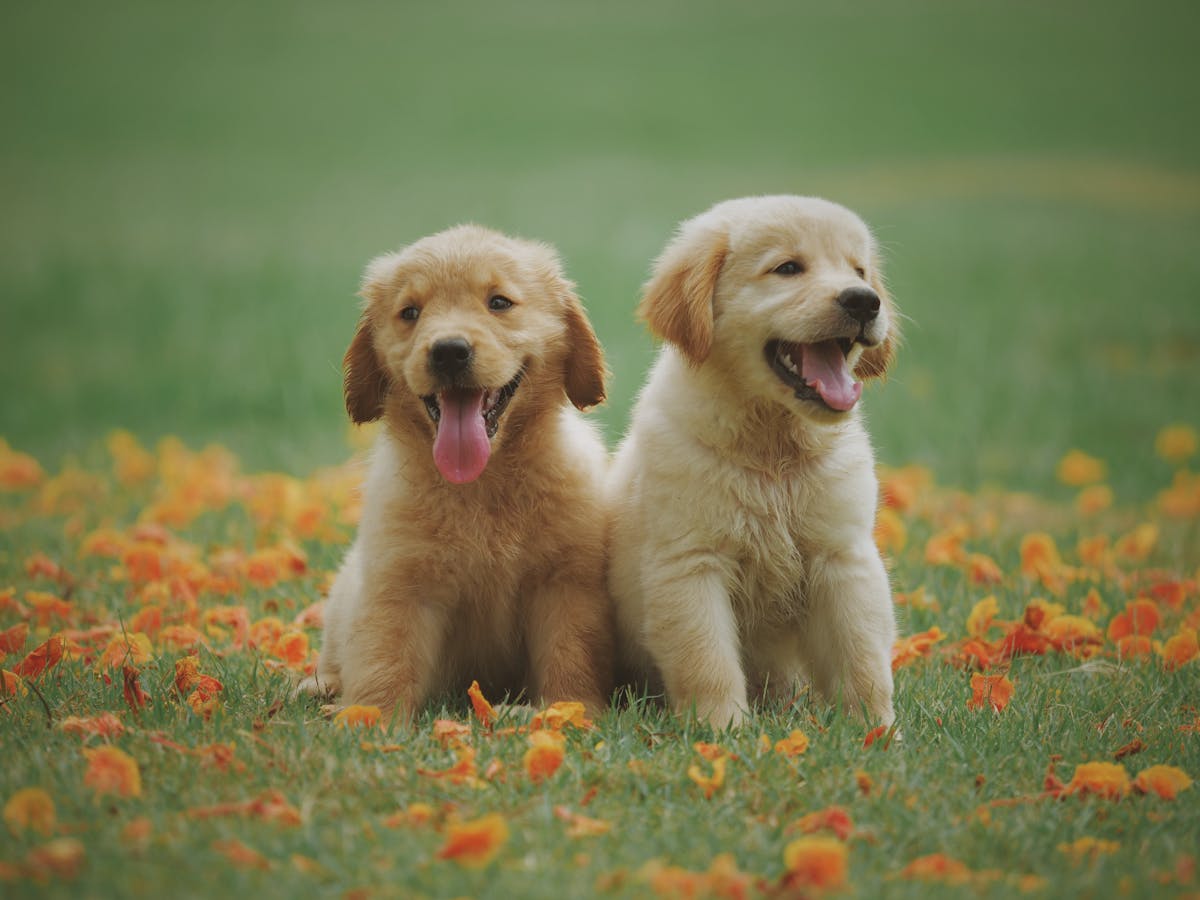
Between about 3 and 14 weeks, puppies are naturally curious and quick to accept new things. After that, new experiences start to feel scary instead of interesting. Behaviour problems — not infectious disease — are the leading cause of death in dogs under three years old, which is why veterinary behaviour specialists are blunt about this window. It does not close on one date, and learning continues all year, but the easy part passes fast — and much of it passes at the breeder's home, so ask what the litter already met.
2. Socialise safely before vaccinations finish
Waiting until every vaccine is done means missing the best part of the window. Most vets now recommend starting early, safely: carry the puppy to watch the world from your arms or a stroller, invite visitors to your home, and let the puppy meet healthy, fully vaccinated adult dogs you know and trust. Avoid high-risk ground until your vet clears it — dog parks, pet-shop floors, and public grass where unknown dogs go. Ask your vet exactly which places are safe for your puppy now; the answer changes week by week.
3. The daily checklist: people, sounds, surfaces, handling
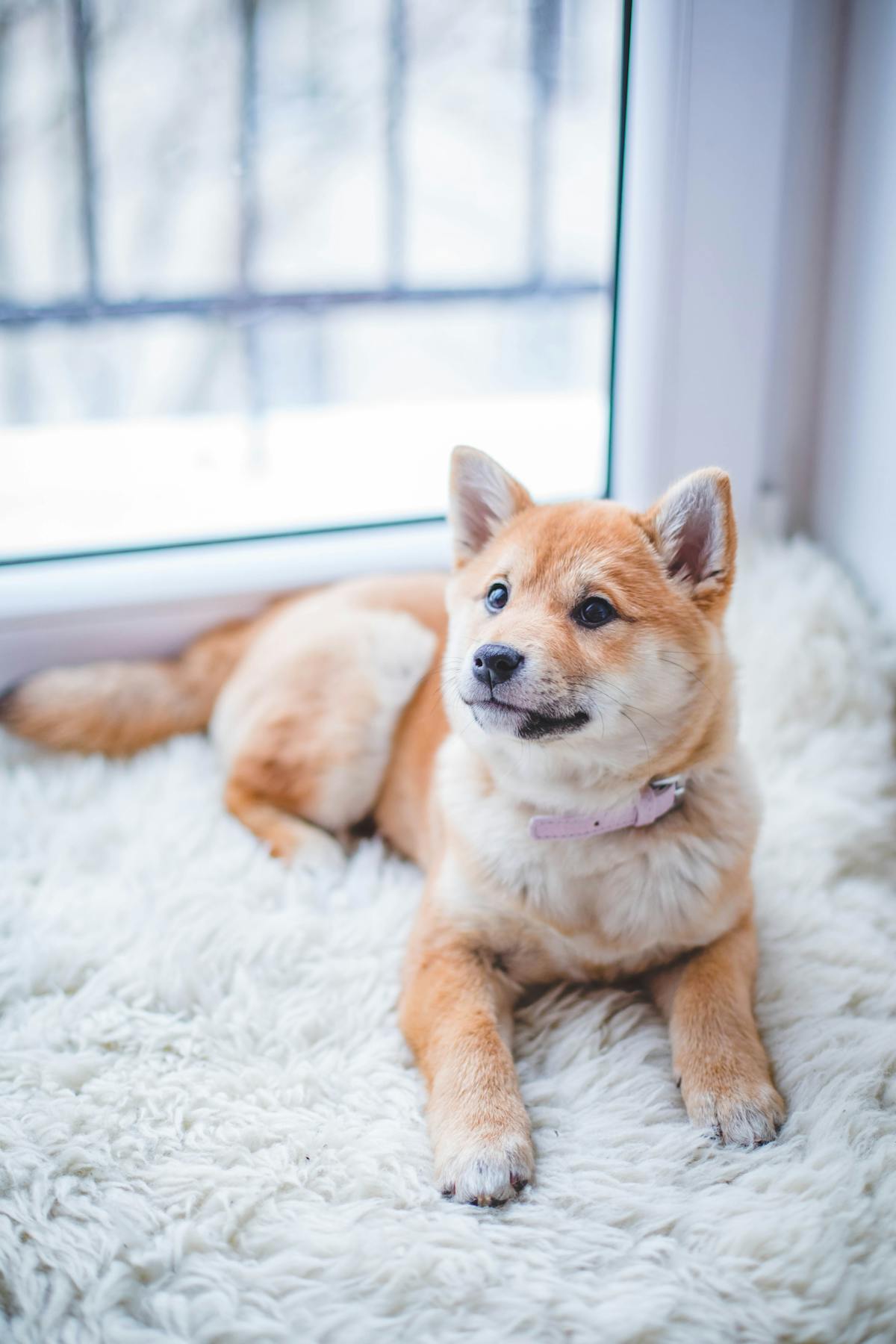
Aim for a few new things a day, not a hundred in a week. People: men, women, children, older adults, people in hats, sunglasses, and uniforms. Sounds: traffic at a distance, doorbells, vacuum in the next room, thunder recordings at low volume. Surfaces: tile, grass in your own yard, carpet, a wobbly cushion, a metal grate seen from your arms. Handling: paws, ears, mouth, and tail touched briefly every day, each time followed by a treat — the same handling that makes ear cleaning and leash training easier later.
4. The sample week — small, daily, doable
Monday: two minutes of paw and ear handling after breakfast, vacuum running in another room at dinner. Tuesday: sit on a bench near a bus stop, treat for each bus that passes. Wednesday: a visit from a friend with a calm, vaccinated adult dog, if your vet agrees, plus a short car ride. Thursday: walk over a doormat, a metal grate, and a puddle, treats along the way. Friday: a happy vet-clinic visit for the scale and a treat, nothing scary. Weekend: an indoor puppy class, then a nap. Ten minutes in a car park with the window down covers most of the sounds list in one go.

5. Signs your puppy needs a break — and how to recover
Watch the body, not the checklist: yawning, lip-licking, turning away, tucking the tail, freezing, or refusing treats all mean the puppy is overwhelmed. When you see them, increase distance, end the exposure while the puppy is still coping, and try again easier tomorrow. Flooding a puppy — forcing it to endure something scary until it stops reacting — can create the very fear you are trying to prevent. Every exposure should end with the puppy relaxed, treat taken, tail loose.
6. What the big 100-item lists get wrong
A hundred-item checklist looks impressive and overwhelms most owners into doing nothing. Treat it as a menu, not a test: tick an item only once the puppy has met it calmly on several occasions in different places. A puppy that has met five people calmly in five places is better socialised than one that met fifty people in one frantic afternoon. The Good Dogs 100-in-100 checklist is a useful menu for ideas, not a deadline: Good Dogs: Puppy Socialization Checklist — 100 New Experiences in 100 Days (PDF).
7. After day 100: keep going, just slower
Socialisation does not stop at 14 weeks or 100 days — it continues through the first year and beyond, more slowly. Keep exposing your dog to new people, places, and sounds, keep sessions positive, and consider a reward-based puppy class once your vet gives the green light. A few calm, happy experiences every day, for a hundred days, add up to a dog that is relaxed at the vet, calm on walks, and confident in a busy world.








0 Comments