10 Indoor Enrichment Ideas to Tire Out Bored Dogs & Cats
A bored pet is a destructive pet. Chewed shoes, scratched sofas, midnight zoomies, and constant attention-seeking are usually not bad behaviour — they are a bored brain asking for work. Enrichment means giving your pet safe problems to solve, things to sniff, chase, and figure out. Fifteen minutes of brain work tires most pets out more than an hour of aimless wandering.
Rotate these ideas rather than doing all ten every day. Novelty is the point: a puzzle your pet solved yesterday is less enriching today, so swap two or three activities in and out each week.
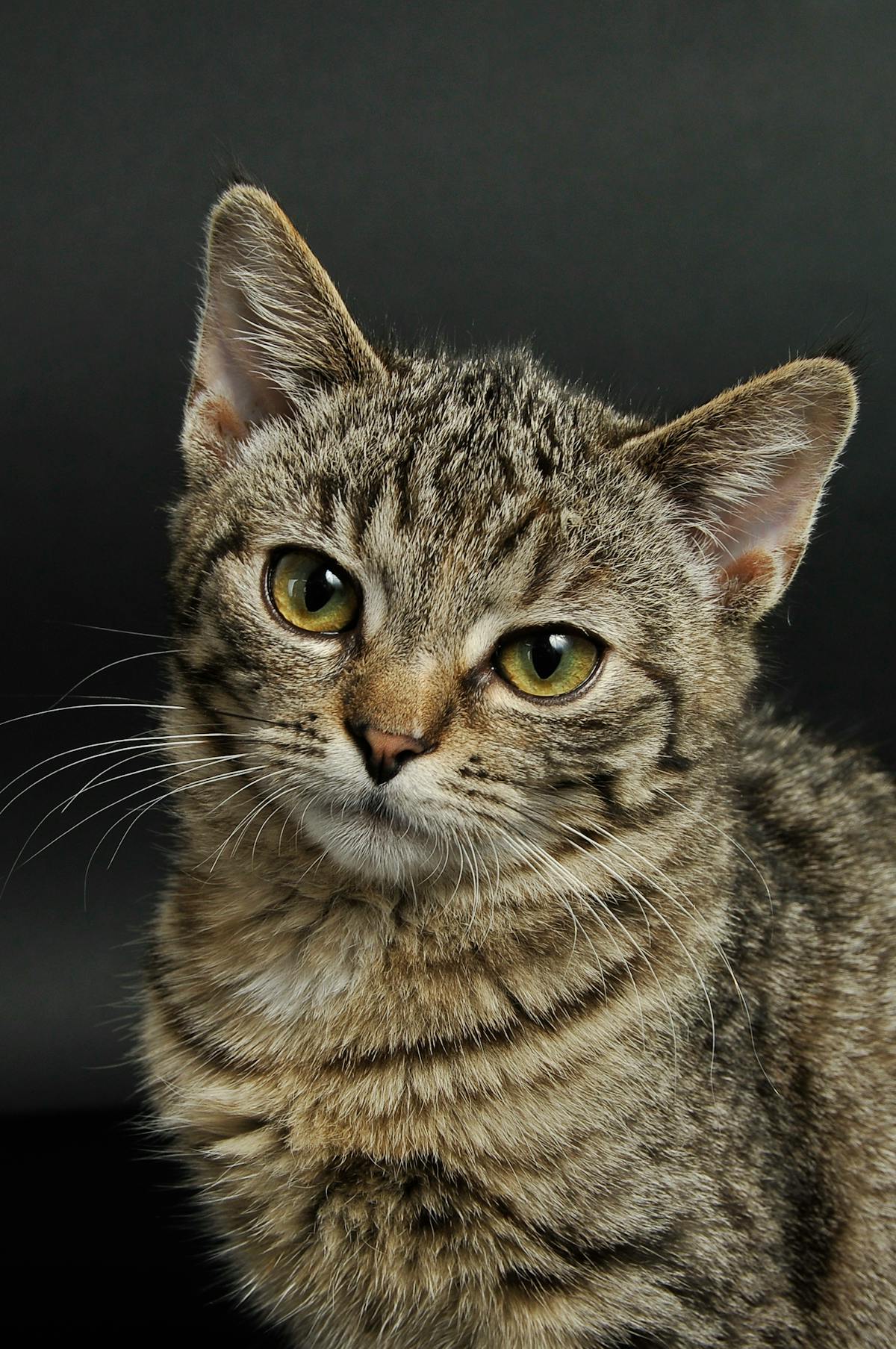
1. Snuffle mat feeding
Scatter kibble in a snuffle mat (or a towel scrunched in a box) instead of a bowl. Sniffing and foraging is deeply satisfying for dogs and cats, slows down fast eaters, and turns a 30-second meal into ten minutes of work.
2. Puzzle feeders and slow feeders
Start easy — a muffin tin with tennis balls over the kibble — and build up to commercial puzzle feeders. If your pet gives up, make it easier again. Frustration is not enrichment; a solvable challenge is.

3. Scent games
Hide treats around one room and let your pet "find it". Start with visible treats, then hide them under cups, behind furniture legs, and inside cardboard boxes. Scent work is tiring because the nose is a dog's and cat's busiest sense.
4. Cardboard box playground
Cut holes in a few boxes, join them into tunnels, and hide treats inside. Cats love boxes for hiding and ambushing; small dogs love nosing through them. Replace boxes when they get soggy or shredded — that is part of the fun.
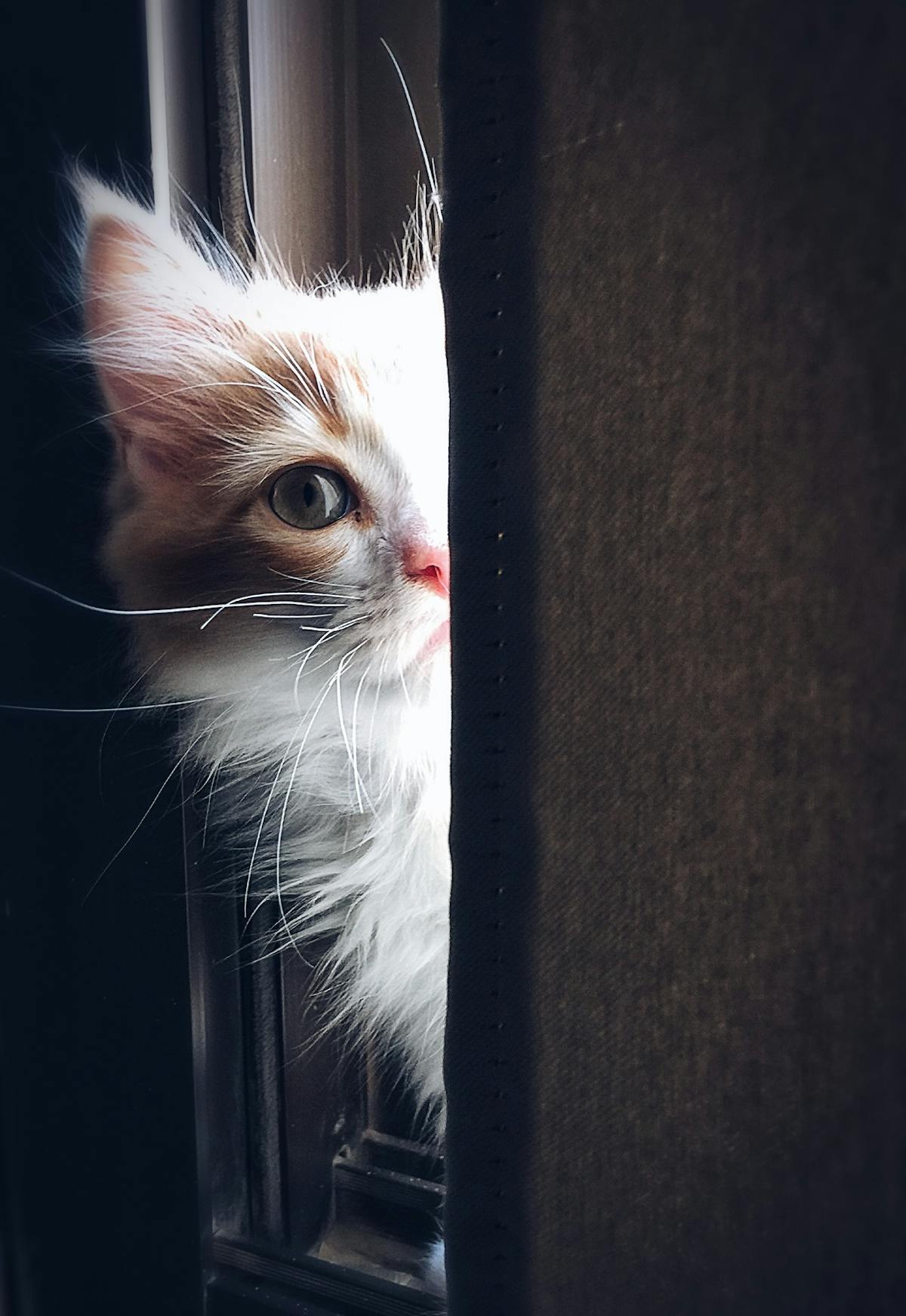
5. Lick mats
Spread plain yoghurt, mashed banana, or wet food thinly on a lick mat and freeze it for a longer session. Licking releases calming hormones and is perfect for rainy days, vet-visit recovery, or settling a pet before bedtime.
6. Training as a game
Five minutes of trick training — spin, touch, high five, "find your toy" — counts as enrichment. End on a success, reward generously, and keep sessions short. A pet that learns new things is a pet that sleeps well.
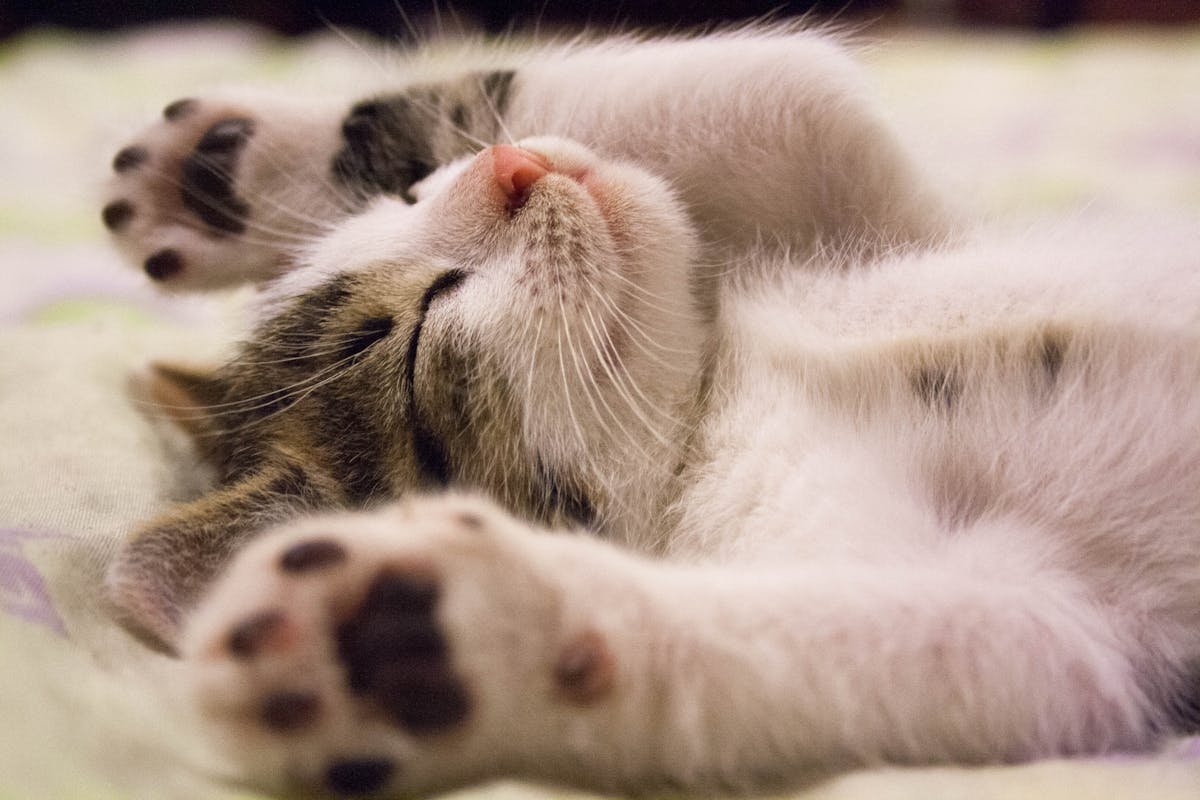
7. Window bird-watching for cats
Put a perch by a window with a view of birds or a garden, and add a bird feeder outside if you can. For indoor cats this is television — hours of safe, stimulating watching. A cat tree near the window doubles as climbing enrichment.
8. DIY treat treasure hunt
Wrap treats in paper, tuck them into toilet-roll tubes with folded ends, and scatter them around the house. Dogs shred, cats bat and paw — both get a workout. Supervise the first few times to make sure nobody eats the paper.
9. Rotate toys, don't buy more
Keep half your pet's toys in a cupboard and swap them weekly. An "old" toy that reappears after two weeks feels new again. Add a catnip or silvervine toy for cats, and a tug toy for dogs that love to pull.
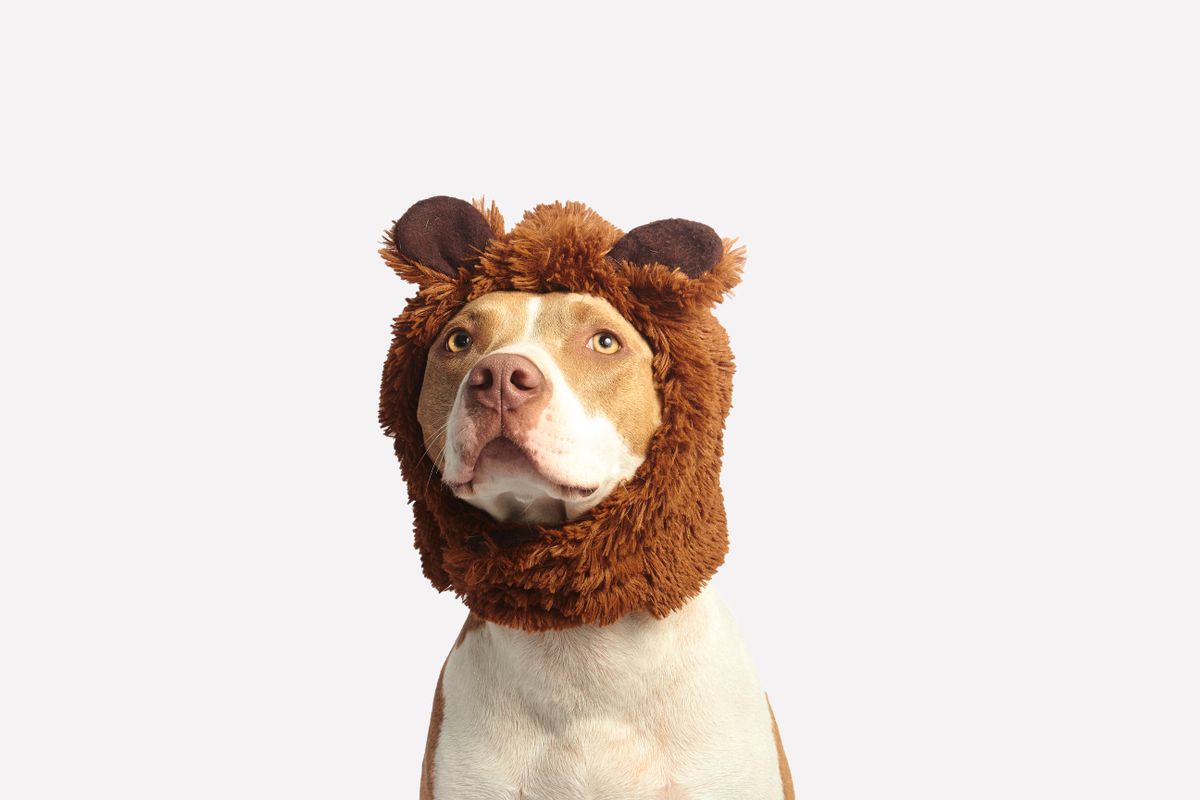
10. Calm-down enrichment before bed
End the day with something slow: a lick mat, gentle grooming, or a snuffle search. Avoid wild play right before bed — you want a tired, calm pet, not a wired one. A consistent wind-down routine helps pets that bark or zoom at night.
How much enrichment does your pet need?
As a starting point: puppies and kittens need several short sessions a day; adult dogs need at least one puzzle or scent game daily plus a walk; indoor cats need daily play and foraging, not just a bowl and a sofa. Watch your pet — a pet that settles easily after enrichment is getting enough; a pet still pacing and pestering needs more.
Enrichment also fixes other problems: a tired dog pulls less on walks and barks less at night. See our leash-training guide and our DIY cat bed ideas for a perfect post-play nap spot.








0 Comments