How to Stop Your Dog Jumping on People: 7 Calm-Greeting Steps That Work
Jumping up feels like friendliness, but to visitors — especially children and elderly guests — it is frightening, and it can knock someone over. The good news: jumping is one of the easiest habits to fix, because it survives on one reward only — attention. Remove that reward consistently, and replace it with a rewarded calm greeting, and most dogs improve within two weeks.
Rule one for the whole household: never knee a jumping dog, never push it down with your hands (dogs read that as play), and never shout. All three are attention, and attention is exactly what the dog wants.
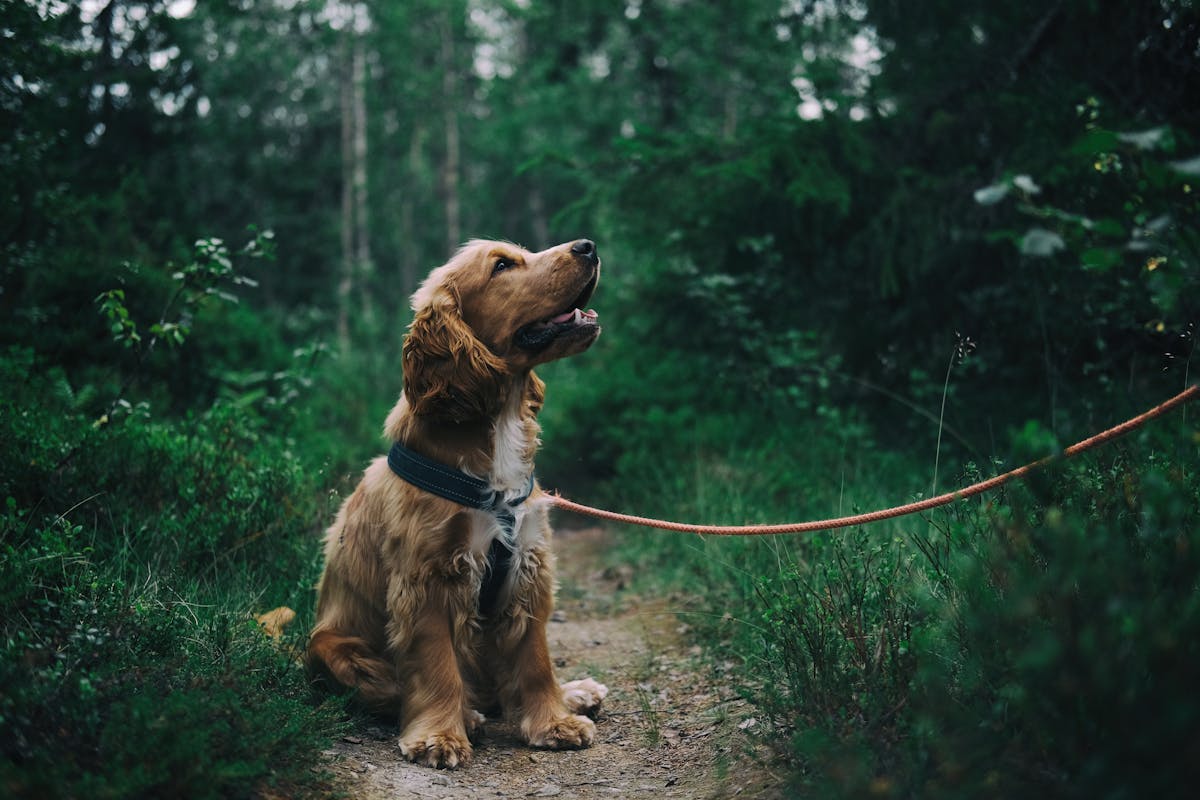
1. Teach "four paws on the floor" first, without visitors
At home, reward your dog the moment all four paws are on the floor. Treat low, near the ground, not up high. Repeat until your dog offers a calm sit or stand by default when you approach. You are building a habit before you test it.
2. Turn away the instant paws leave the floor
When the dog jumps, fold your arms, turn sideways, and look away. The second all four paws land, turn back and reward calmly. Be boring about it — no drama, no eye contact during the jump. Consistency matters more than speed.

3. Ask for a sit before every greeting
Before opening the door, ask for a sit, reward it, then open the door a crack. If the dog breaks the sit, close the door calmly and try again. The door itself becomes the reward for staying seated — a powerful lesson.
4. Use a leash for visitor practice
For the first weeks of visitor training, keep your dog on a leash indoors. Stand on the leash with just enough slack for the dog to stand comfortably but not to jump up. Reward calm greetings, and step the dog away if excitement spikes. Remove the leash only when calm greetings are reliable.

5. Brief your visitors in one sentence
Visitors undo training in seconds by squealing, crouching, and petting a jumping dog. Give them a script before they enter: "Please ignore him until he sits, then pet him low and calmly." Most people are happy to help when they know what to do.
6. Manage arrivals, don't just train them
Put a baby gate between the door and the living room, or greet visitors outside first. A dog that cannot physically reach a visitor cannot practise jumping. Management buys you calm repetitions while training catches up — it is not cheating.
7. Tire the dog out before expected guests
A dog that has just had a walk, a training session, and a puzzle feeder is far less likely to explode with excitement than a dog that has slept all day. Time high-energy activities before visitors arrive, and keep a long-lasting chew ready as a settle-down job.
What if jumping gets worse before it gets better?
That is normal and has a name: an extinction burst. When a behaviour that used to earn attention suddenly stops working, dogs try harder for a few days before giving up. Stay consistent through it. If you give in on day three, you have taught your dog that jumping longer eventually works.
When to get help
If jumping comes with mouthing, nipping, or aggression, or if your dog cannot settle at all around people, talk to a certified trainer or behaviourist. Jumping driven by fear or over-arousal needs a tailored plan, not just the steps above.
Calm greetings pair with calm walks: see our leash-training guide and, for a new arrival still learning house rules, our new puppy checklist.



0 Comments