DIY Cat Toys vs Store Toys: 5 Cheap Enrichment Wins
Walk into any pet shop and you will find shelves of cat toys — electronic fish, laser gadgets, feather wands in every colour. Buy a bagful, bring them home, and your cat will ignore all of them and play with the cardboard box they came in. That is not your cat being difficult. Cats prefer toys that move unpredictably, smell interesting, and let them stalk, pounce, and "kill" something. Most of the best cat toys are things you already have at home, and they cost nothing. Here are five DIY wins that beat store toys on the only measure that matters: whether your cat actually plays with them.
One rule before you start: a cat toy must be safe when you are not watching. No string, ribbon, elastic, or small parts left out unsupervised — cats swallow string, and that can mean emergency surgery. Play with wand toys together, then put them away. The toys below are designed with that rule in mind.

1. The box maze (beats any store tunnel)
Take a large cardboard box, cut two or three cat-sized holes in different sides, and drop a few crumpled paper balls inside. Your cat gets a hiding place, a hunting ground, and a puzzle in one. For a harder version, tape two boxes together with a hole between them, or cut flaps your cat can bat open. Store-bought tunnels cost real money and fold flat after a week; a box maze is free, replaceable, and cats choose the box over the expensive bed every time — as our DIY cat bed ideas already proved. Swap the box every week or two to keep it novel.
2. Crumpled paper balls (the undefeated champion)
It sounds too simple to work, and that is exactly why it works. A tightly crumpled ball of plain paper skitters unpredictably across a hard floor, makes a rustling sound, and is light enough to bat, chase, and carry. Use plain paper, not newspaper with heavy ink, and check the ball has no staples or tape. Make five at once and scatter them — cats love discovering a "prey item" they were not expecting. If your cat loses interest, crumple a fresh one: novelty is the whole game, and a fresh paper ball is a new hunt.

3. The sock kicker (for cats that bunny-kick)
Some cats love to grab a toy with their front paws and kick it furiously with their back feet. A store kicker toy does this job for a price; a clean old sock stuffed with a little catnip and a handful of crumpled paper does it for free. Tie the end closed securely, or sew it if you can, so stuffing cannot escape. Offer it during play, then put it away — catnip toys lose their magic if they are available all day. Refresh the catnip every few weeks. Not every cat responds to catnip (about a third do not), so if yours ignores it, try silvervine or a plain stuffed sock instead.
4. The toilet-roll puzzle feeder (enrichment, not just play)
Take an empty toilet roll, fold one end closed, drop in a few treats or pieces of kibble, and fold the other end. Your cat must bat, roll, and tear it open to eat — five minutes of problem-solving instead of ten seconds of eating from a bowl. For a harder version, stand several rolls upright in a small box so your cat must fish treats out with a paw. This is genuine enrichment: it uses the same hunting sequence — search, stalk, capture — as a wand toy, and it slows down cats that eat too fast. Always supervise the first few tries, and remove shredded cardboard before your cat eats it.
5. The supervised feather wand (the one store toy worth copying)
Feather wands are the one store category worth imitating at home, because the movement matters more than the toy. Tie a feather or a small fabric strip to a sturdy stick with a short length of string, and move it like prey: dart it behind furniture, pause, twitch, and let your cat "catch" it every minute or so. End every session with a small treat — a hunt should end in a kill and a meal, or your cat gets frustrated rather than satisfied. Never leave a wand toy out unsupervised, and replace feathers once they start shedding, so your cat does not swallow loose pieces. Ten minutes of wand play a day does more for a bored indoor cat than any shelf of untouched store toys, and our indoor enrichment ideas explain how to build that daily play into a routine.

When store toys are actually worth it
Buy, do not DIY, in three cases: anything electronic (a motorised toy needs safe wiring and a sturdy case), anything your cat will chew unsupervised (a solid rubber or silicone toy beats a homemade one that sheds stuffing), and puzzle feeders you want to last months rather than days. A good rule: DIY for play you supervise, store-bought and sturdy for anything left out alone. And rotate everything — DIY and store toys alike — keeping half put away and swapping weekly. A toy your cat has not seen for a fortnight is a new toy.




The verdict
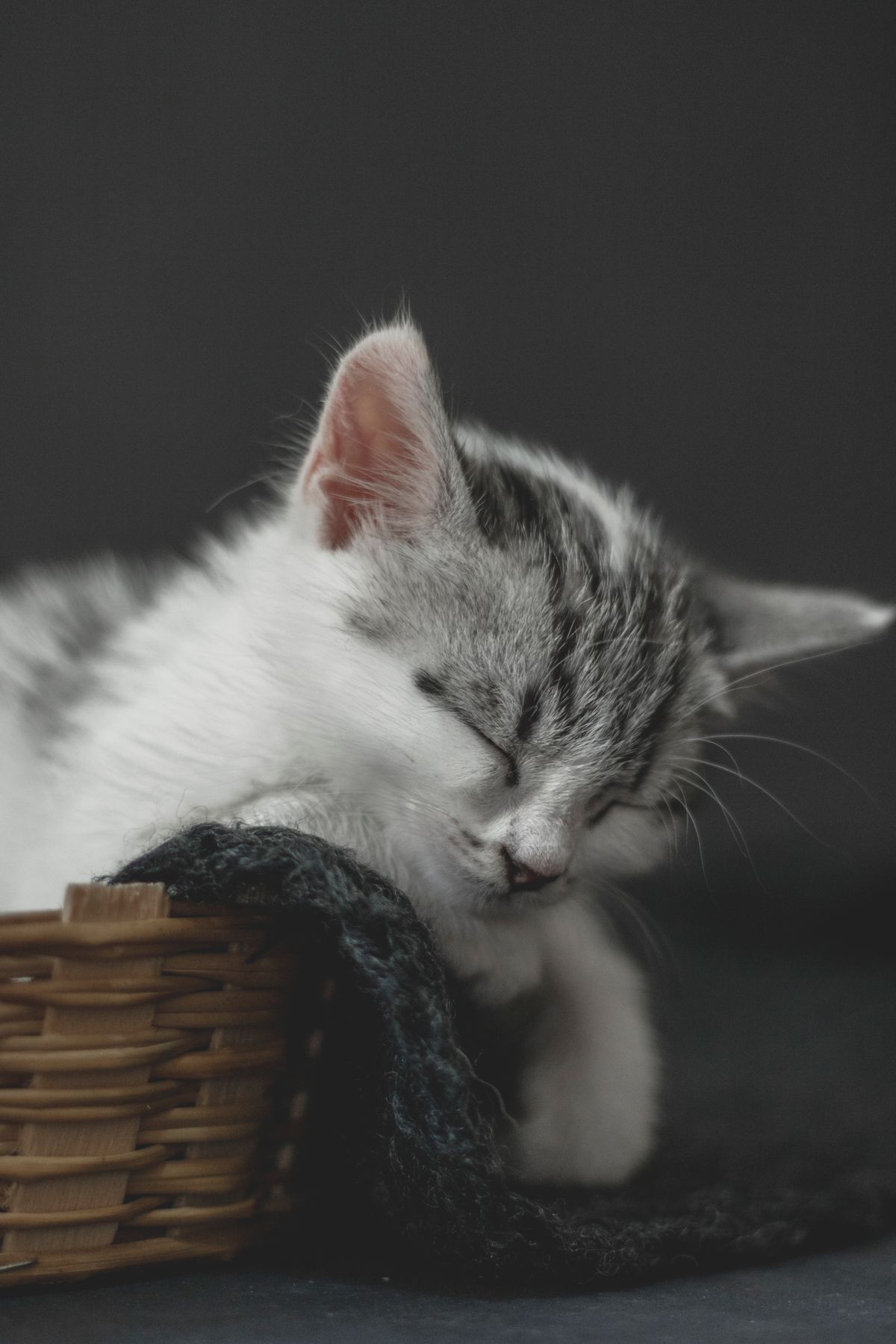
For cats, cheap beats expensive because movement, novelty, and the hunting sequence beat packaging. Start with a box maze and a paper ball tonight — both take two minutes — and watch which one your cat chooses. Then build a weekly rotation: one DIY toy, one wand session a day, one puzzle feeder, and a toy swap every Sunday. Your cat will be busier, calmer, and less interested in your curtains — and your wallet will notice the difference long before your cat does.



0 Comments