Cat Hairballs: 7 Ways to Reduce Them (and When to Worry)
A hairball on the rug is unpleasant, but it is also normal cat biology: cats groom for hours a day, swallow loose fur, and most of it passes through harmlessly. Problems start when the fur builds up faster than it can pass, forming a clump the stomach ejects — or, worse, a blockage that cannot be ejected at all. The good news is that most hairball trouble is preventable with grooming, diet, and a little attention to your cat's coat. If your cat brings up hairballs more than once or twice a month, something in this list will usually fix it.
First, know what counts as a hairball. A true hairball is a compact, sausage-shaped clump of fur, often with a little fluid, produced after retching. Frequent retching without producing anything, or vomiting food instead of fur, is not a hairball problem — it is a stomach problem, and it needs a vet check. Also watch for the warning signs of a blockage: repeated unproductive retching, loss of appetite, lethargy, constipation, and a swollen or painful belly. That is an emergency, not a grooming issue.
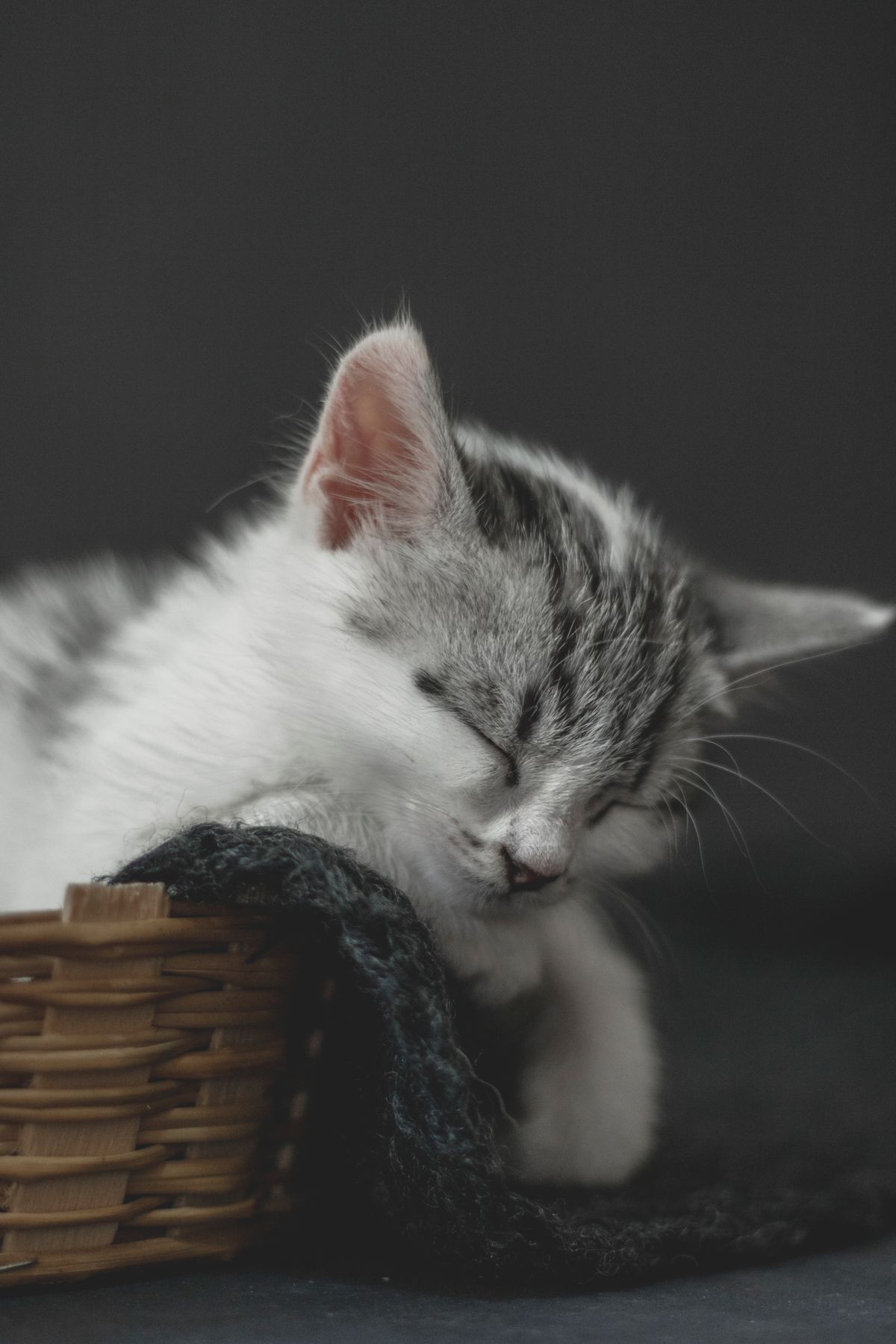
1. Brush regularly — the single biggest fix
Brushing removes loose fur before your cat swallows it, and it is the most effective hairball prevention there is. Short-haired cats do well with a weekly brush; long-haired cats need brushing every day or two, especially in spring and autumn shedding seasons. Use a slicker brush or a grooming glove your cat tolerates, keep sessions short and pleasant, and finish with a treat. If your cat hates brushing, build up from 30 seconds a day — a tolerated short brush beats a dreaded long one. Our cat grooming guide covers the tools and the mistakes that make cats hate grooming.
2. Feed a hairball-control diet
Hairball-control foods add extra fibre, which helps swallowed fur move through the gut instead of clumping in the stomach. They work best combined with brushing, not instead of it. If your cat is on a prescription diet for another condition, ask your vet before switching — and change foods gradually over a week. Some cats also benefit from a small amount of plain canned pumpkin (not pie filling) mixed into food, but check with your vet first, especially for cats with diabetes or digestive conditions.

3. Try a hairball paste or lubricant
Petroleum-based hairball pastes and lubricant gels help fur slide through the digestive tract. Most cats will lick them off a paw or from a finger; if yours refuses, smear a little on the front leg so it grooms it off. Use them as directed — usually a few times a week during shedding season — and do not substitute human products like mineral oil without vet advice, because incorrect dosing can cause aspiration.
4. Keep your cat hydrated and moving
A well-hydrated gut moves fur along better. Fresh water in multiple spots, a water fountain (many cats prefer running water), and wet food all help. Play matters too: active cats groom less obsessively and their digestion works better. Ten minutes of interactive play a day — a wand toy, a feather, a puzzle feeder — reduces both boredom grooming and hairball frequency.
5. Tackle over-grooming at its cause
Some cats groom excessively because of stress, boredom, or skin irritation — allergies, fleas, or dry skin. If your cat has bald patches, grooms to the point of sores, or suddenly grooms far more than usual, look for the cause rather than just treating hairballs: flea treatment, a vet check for skin problems, and environmental enrichment (perches, hiding spots, play) for stress. Fixing the grooming fixes the hairballs.
6. Vacuum and manage shedding season
Loose fur on furniture and bedding ends up on your cat and then in its stomach. During heavy shedding, vacuum soft furnishings more often, wash cat bedding weekly, and brush outdoors if your cat allows it. Long-haired cats may benefit from a professional groom or a sanitary trim in summer — never shave a cat without vet or groomer advice, as the coat protects against sun and temperature extremes.

7. When to worry — and what the vet will do
See your vet if hairballs happen more than twice a month despite brushing and diet changes; if your cat retches repeatedly without producing a hairball; if it stops eating, becomes lethargic, or constipated; or if its belly looks swollen or painful. The vet may check for stomach inflammation, motility problems, or a blockage with an examination and, if needed, an X-ray or ultrasound. Most cases resolve with a grooming plan and a diet adjustment; blockages occasionally need medical treatment, which is exactly why early checks matter. If your cat is also vomiting food rather than fur, ask your vet about stomach causes directly, and keep a note of how often vomiting happens. Daily play also helps: our indoor enrichment ideas give bored cats a better outlet than over-grooming.





Hairballs are one of the few cat problems where prevention is genuinely easy: brush the fur off before your cat swallows it, feed for gut health, keep water and play in the daily routine, and watch the frequency. A hairball now and then is just cat life. A hairball every week is a message — and now you know how to answer it.



0 Comments