How to Stop Your Puppy Biting Hands: 7 Gentle Fixes That Work
Puppy biting is normal, and it is not aggression. Puppies explore the world with their mouths, and they learn bite control — how hard is too hard — by playing with their littermates. When a puppy comes home at eight weeks, that education is unfinished, and your hands become the new littermates. The good news: with consistent, gentle handling, most puppies learn to stop biting hands within a few weeks. The bad news: the two most common human reactions — pulling away fast and squealing loudly — actually make biting worse, because they turn your hand into an exciting moving toy. Here is what works instead.
First, set expectations. Puppy biting peaks between 8 and 16 weeks and usually fades as adult teeth come in around six months, provided you teach bite inhibition now. Teething hurts, so your puppy will chew more at 12–20 weeks; that is a chewing problem, not a biting problem, and it needs chew toys, not discipline. And every person in the house must follow the same rules — if one person lets the puppy mouth their hands "because it is cute", the puppy learns that hands are sometimes chew toys, and training takes twice as long.
1. Go still, then redirect — every single time
When teeth touch skin, freeze. Do not pull your hand away (that triggers chase), do not wave it, do not push the puppy. Go still and boring for a second, then calmly offer a toy or chew and praise the puppy for biting that instead. The lesson is simple and repeatable: hands are boring, toys are for biting. Every family member must do exactly this, every time, for the lesson to stick.
2. Use a calm interruption for hard bites
For a genuinely hard bite, a short, low "ouch" or "too bad" in a calm voice, followed by withdrawing your attention for 10–20 seconds (turn away, hands tucked), teaches bite pressure without fear. Then resume play. The key is calm and brief: long time-outs, shouting, or holding the puppy's mouth shut all create fear or excitement, and neither teaches bite control. If your puppy bites hard repeatedly in one session, it is probably overtired — end play and give it a nap. Our new puppy checklist covers the sleep schedule that prevents most overtired biting.
3. Always have a toy within reach
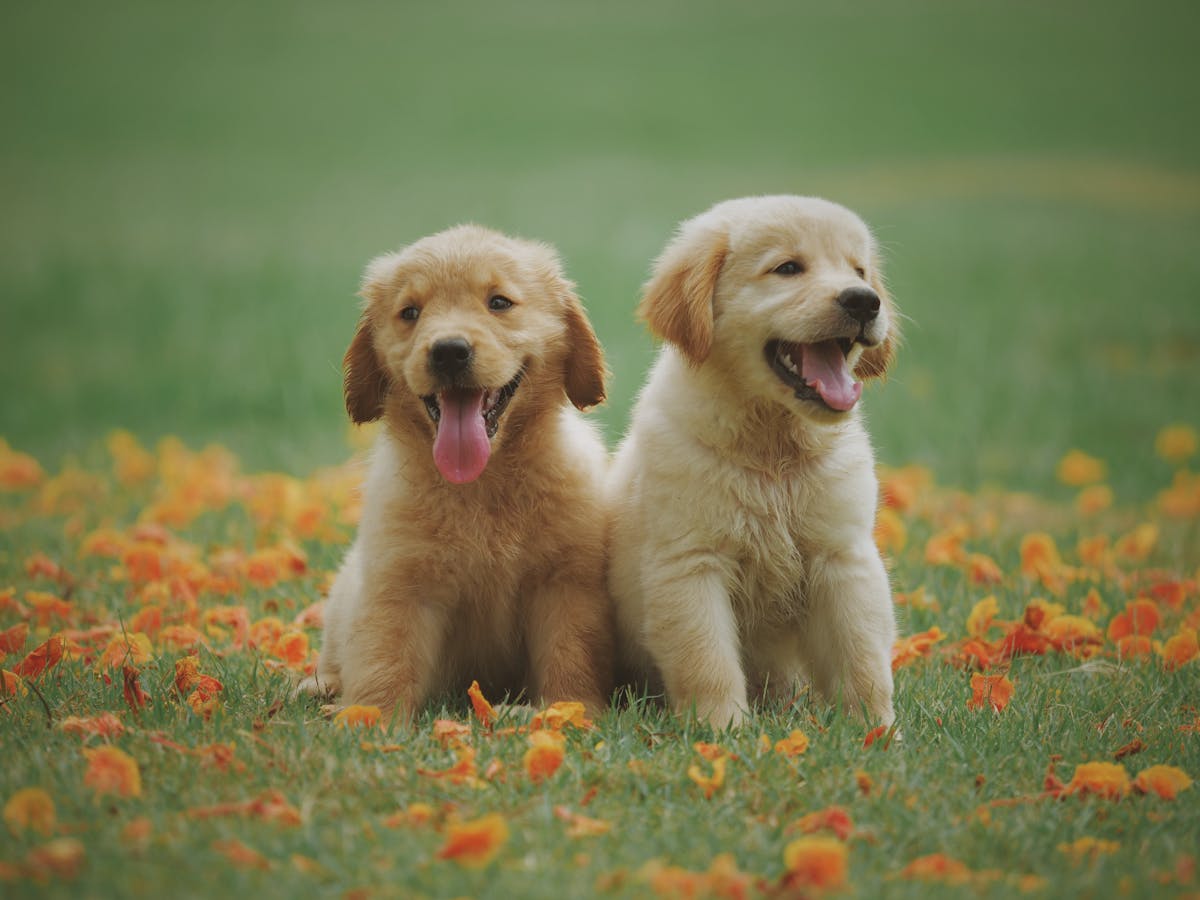
You cannot redirect to a toy you do not have. Keep chew toys in every room, in your pockets on walks, and by the sofa where most hand-biting happens. When your puppy gets mouthy during petting, swap your hand for the toy before the teeth land. Puppies that always have an approved outlet bite hands far less, because the need to chew is being met somewhere legal.
4. Teach "gentle" with treats
Hold a treat in a closed fist. If your puppy mouths or paws at your hand, wait. The instant it pulls back or licks gently, open your hand and say "gentle". Repeat until your puppy offers a soft mouth on purpose. This builds the exact skill biting training is about: controlling mouth pressure. Practice daily for two minutes — short sessions beat long lectures for puppies.
5. Manage the triggers: greetings, feet, and clothes
Puppies bite most when excited: greetings, feet moving under a blanket, dangling sleeves, and children running. Slow greetings down — crouch, stay calm, offer a toy first. Wear shoes indoors during the worst phase rather than bare feet, and teach children to stand still like a tree (arms folded, looking away) when the puppy gets mouthy, instead of running and squealing. Managing excitement prevents most bites before they happen; training only fixes the ones that slip through.
6. Meet the teething need properly
At teething age, frozen carrots, a frozen stuffed Kong, and safe rubber teething toys soothe sore gums far better than your fingers. Rotate chews so they stay interesting, and supervise new chews until you know your puppy cannot break pieces off. Avoid rawhide and cooked bones, which can splinter or block. A puppy with a good chew is a puppy that is not looking for your hand.
7. When biting is not normal: get help early
Normal puppy biting is loose, wiggly, and stops when play stops. Get professional help promptly if your puppy stiffens, growls, and bites hard with intent to harm; if biting escalates despite weeks of consistent training; or if an older puppy or adult dog starts biting suddenly (pain is a common hidden cause). A certified trainer or behaviourist can tell in one session whether you are dealing with normal mouthing or something that needs a behaviour plan. If your puppy also jumps up on people, our calm-greeting steps use the same still-and-redirect principle.




Puppy biting feels personal, but it is not. It is a normal developmental stage that ends fastest when every hand in the house is boring and every toy is exciting. Stay consistent for three weeks, keep the puppy rested and well-chewed, and the mouth that once shredded your sleeves will learn to carry a toy to you instead — which is a much better greeting anyway.



0 Comments