Why Does My Cat Attack Your Hands and Feet? 8 Fixes That Work
If your cat ambushes your ankles, bites your hand during petting, or suddenly grabs your arm with claws out, you are not alone — and your cat is not being spiteful. Hand and foot attacks are almost always play, overstimulation, or a learned habit, and they are very fixable. The key is understanding which kind of attack you are dealing with, because the fix for a bored kitten is different from the fix for a cat that bites when it has had enough stroking. Punishing the cat — shouting, spraying water, or pushing it away with your hands — usually makes it worse, because to a cat, any big reaction is still exciting.
First, a safety rule: never play with your cat using your bare hands or feet. Wiggling fingers under a blanket teaches a kitten that hands are prey, and that lesson lasts into adulthood. Always use a toy between you and your cat — a wand toy, a kicker toy, or a ball. If your cat is already an ankle attacker, the fix starts with changing the game, not scolding the player.
Fix 1: Figure out which attack it is
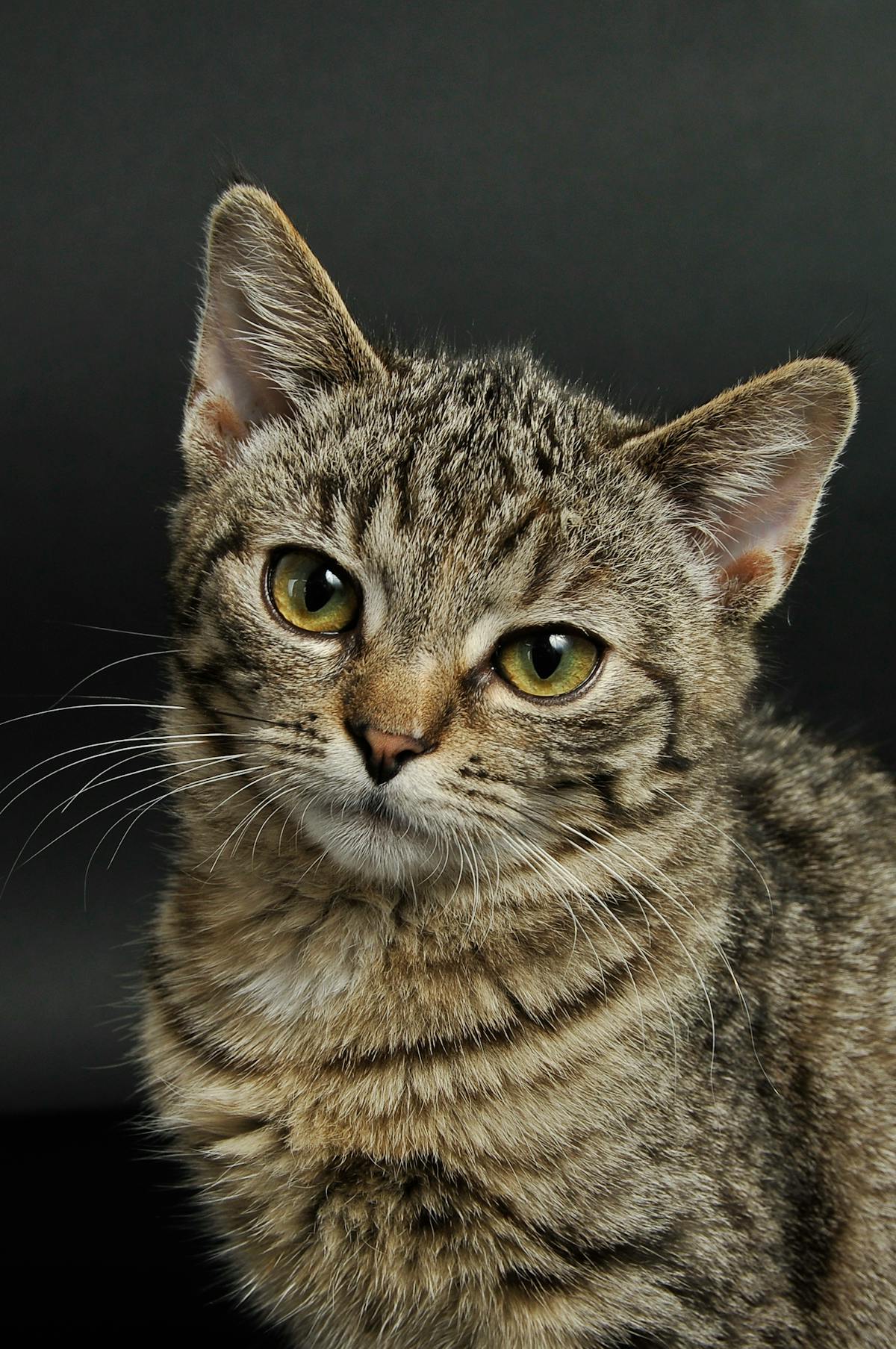
Play attacks happen when you move: feet under a duvet, hands typing, ankles walking past a doorway. The cat crouches, wiggles its back end, then pounces. Overstimulation bites happen during petting: the cat is purring, then suddenly its tail starts lashing, its ears flatten, and it bites the hand that is stroking it. Fear attacks are different again — the cat is cornered, hissing, with dilated pupils. Play and overstimulation are the common ones and the easiest to fix. If your cat attacks out of fear, give it space and escape routes, and talk to your vet if it is frequent — pain can also make a normally calm cat lash out.
Fix 2: Tire the hunter out, every day
A cat that attacks ankles is usually a cat with unspent hunting energy. Cats need real play, not just a toy left on the floor. Two or three play sessions a day, 10–15 minutes each, with a wand toy that mimics prey — darting, hiding, pausing — followed by a small meal, mirrors a natural hunt-eat-groom-sleep cycle and leaves your cat sleepy instead of wired. Morning and evening sessions matter most, because those are peak hunting times. Our indoor enrichment ideas are full of ways to burn that energy without using your hands as toys.

Fix 3: Go still, then redirect — never pull away fast
When your cat grabs your hand or foot, your instinct is to pull away quickly. Do the opposite: go still, then gently push toward the cat rather than away. A still "prey" is boring, and pushing in slightly loosens the grip. As soon as the cat releases, redirect immediately onto a toy — toss a kicker toy or dangle a wand toy. You are teaching a simple rule: hands and feet are boring, toys are the fun target. Everyone in the household must do the same thing, or the cat learns that ankles are sometimes prey after all.
Fix 4: Learn the overstimulation warning signs
Many petting bites are predictable if you watch for them. Warning signs include: tail lashing or thumping, skin rippling along the back, ears turning sideways, pupils dilating, and the cat suddenly turning its head toward your hand. When you see one, stop petting calmly and let the cat walk away. Some cats only enjoy two or three strokes, or only enjoy being stroked on the head and cheeks — belly stroking is a trap for many cats, even if they roll over and show it. Keep sessions short, end them before the bite, and your cat will learn that petting stays pleasant.
Fix 5: Give your cat a legal outlet for grabbing and kicking
Cats that grab and bunny-kick need something to grab. A long kicker toy — a stuffed banana, fish, or bolster — lets your cat wrap its front paws around it and kick with its back legs safely. Keep one near the sofa and one near the bed. When your cat starts the grab-and-kick on your arm, stay still, then swap in the kicker toy. Cats that love this play often calm down dramatically once they have a proper outlet, because the behaviour itself is satisfying — it just needs the right target.
Fix 6: Stop rewarding ankle attacks with attention
If every ankle ambush gets a shout, a jump, or a chase, the cat has learned a brilliant game: attack a foot, get a show. Instead, go boring: freeze, wait for the release, walk away calmly, and start a proper play session a few minutes later with a wand toy. Do not punish after the fact — a cat cannot connect a scolding now with an ambush five minutes ago. Consistency beats intensity: a calm, boring response every single time works faster than one dramatic reaction.
Fix 7: Fix the environment, not just the cat
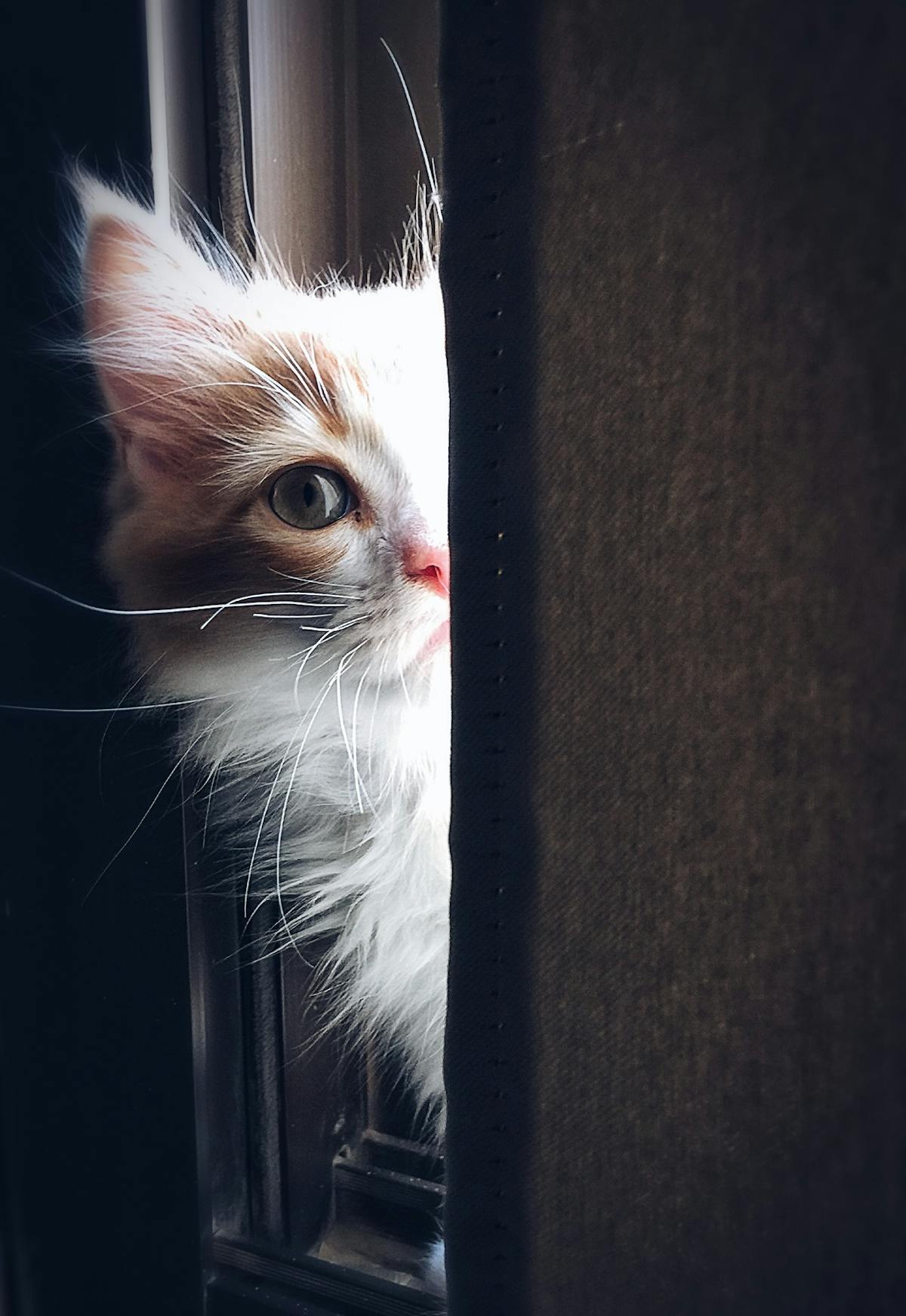
Ankle attackers often strike from the same hiding spots: behind a sofa, under a bed, beside a doorway. Put a scratching post or a toy near those ambush points, and give your cat high places — shelves, a tall cat tree, window perches — so it can watch the household from above instead of lurking at ankle height. A cat that can climb and survey feels less need to ambush. If your cat scratches furniture as well as attacking feet, our guide to stopping furniture scratching covers the scratching side of the same energy problem.
Fix 8: When to get help
See your vet if attacks start suddenly in an adult cat, if the cat seems in pain, if it attacks unprovoked with hissing and dilated pupils, or if bites break the skin regularly. Cat bites can become infected quickly — wash any bite thoroughly and seek medical advice if it swells, reddens, or becomes painful. A vet can rule out pain, arthritis, or hyperthyroidism, and a feline behaviourist can help with persistent aggression. Most cases, though, are play and overstimulation, and they improve within two to three weeks of consistent play, redirection, and boring responses.


A quick daily plan
Morning: 10 minutes of wand play before breakfast. Midday: a kicker toy and a puzzle feeder if you are out. Evening: 15 minutes of play, then dinner. All day: hands are never toys, feet are never prey, and every attack gets the same boring freeze-and-redirect response. That routine — play, redirect, stay boring — is the whole fix. Your cat is not being bad. It is being a cat, with a hunter's brain and nowhere to hunt. Give it the hunt, and your hands and feet can go back to being just hands and feet.



0 Comments