Why Does My Cat Meow So Much? 7 Reasons and When to Worry
Adult cats rarely meow at each other. Meowing is mostly a language cats developed for humans — which is why your cat can have a full conversation with you and ignore the other cat completely. Some meowing is normal, especially in chatty breeds like Siamese and Oriental cats. But a sudden increase, night-time yowling, or a change in the sound of the meow is your cat telling you something has changed. Here are the seven reasons, and how to tell which one you are hearing.
First, learn your cat's baseline. A cat that has always been talkative is different from a quiet cat that suddenly will not stop. Note when the meowing happens — at feeding time, at night, when you leave, when you come home — because the timing usually gives away the reason.

Reason 1: Hunger or a learned feeding routine
The most common reason, and the most commonly reinforced by accident. If meowing has ever produced food, your cat has learned that meowing works — and will meow earlier and louder each day. What to do: feed on a fixed schedule, not on demand, and do not feed in response to meowing. Wait for a quiet moment, then feed. If your cat is genuinely hungry between meals, check the portion against the food packet for its weight, and consider a puzzle feeder so meals last longer. A cat that meows and then ignores the food is not asking for food.
Reason 2: Attention and greeting
Many cats meow when you come home, when you sit down, or when you stop petting them. This is social behaviour, not misbehaviour. What to do: answer with a calm greeting and a brief fuss, then carry on. If the meowing escalates when ignored, give attention on your terms — a short play session at a set time each day — rather than rewarding the loudest moments. Cats that get predictable play meow less for attention overall.

Reason 3: Boredom
An indoor cat with nothing to do will talk to the only entertainment available: you. Boredom meowing often comes with pacing, following you room to room, and knocking things off surfaces. What to do: add enrichment — a window perch, a puzzle feeder, a daily wand-toy play session, and rotating toys. Our indoor enrichment ideas work for cats as well as dogs, and a tired cat is usually a quieter cat.
Reason 4: Stress or a change at home
Moving house, a new baby, a new pet, building work, or even rearranged furniture can make a cat vocal. Stress meowing is often lower, more persistent, and paired with hiding, over-grooming, or litter-box changes. What to do: restore routine, give the cat a safe retreat it controls, and use scent swapping and gradual introductions for new pets — the same slow approach in our new kitten checklist applies to any new arrival. Do not punish stress meowing; it will only add more stress.
Reason 5: Mating behaviour
An unneutered female in heat will yowl loudly, roll, and raise her hindquarters; an unneutered male will yowl, spray, and try to escape. This is not a behaviour problem to train away. What to do: speak to your vet about neutering, which stops heat yowling and spraying in most cats and has health benefits too. Until then, keep the cat safely indoors and distract with play — but expect the noise to return with each cycle.

Reason 6: Pain or illness
This is the reason to rule out first when meowing suddenly increases. Cats hide pain well, and vocalising can be one of the few signs. Watch for meowing paired with hiding, not eating, limping, straining in the litter box, vomiting, or a change in grooming. Older cats with arthritis may yowl when jumping or being picked up. Hyperthyroidism and high blood pressure in senior cats famously cause night-time yowling, restlessness and weight loss. Any sudden change in a senior cat's vocalising deserves a vet visit, not a behaviour plan.
Reason 7: Ageing and confusion
Senior cats can develop cognitive dysfunction — the feline version of dementia — and may yowl at night, seem disoriented, stare at walls, or forget where the litter box is. What to do: keep night lights on, keep food, water and litter in the same places, and give a calm evening play session and a late snack. Your vet can check for pain, thyroid, and blood pressure issues and discuss options that help confused seniors settle at night. Never lock a confused, yowling senior cat away in a distant room — it increases the distress that causes the noise.





Night-time meowing: a special case
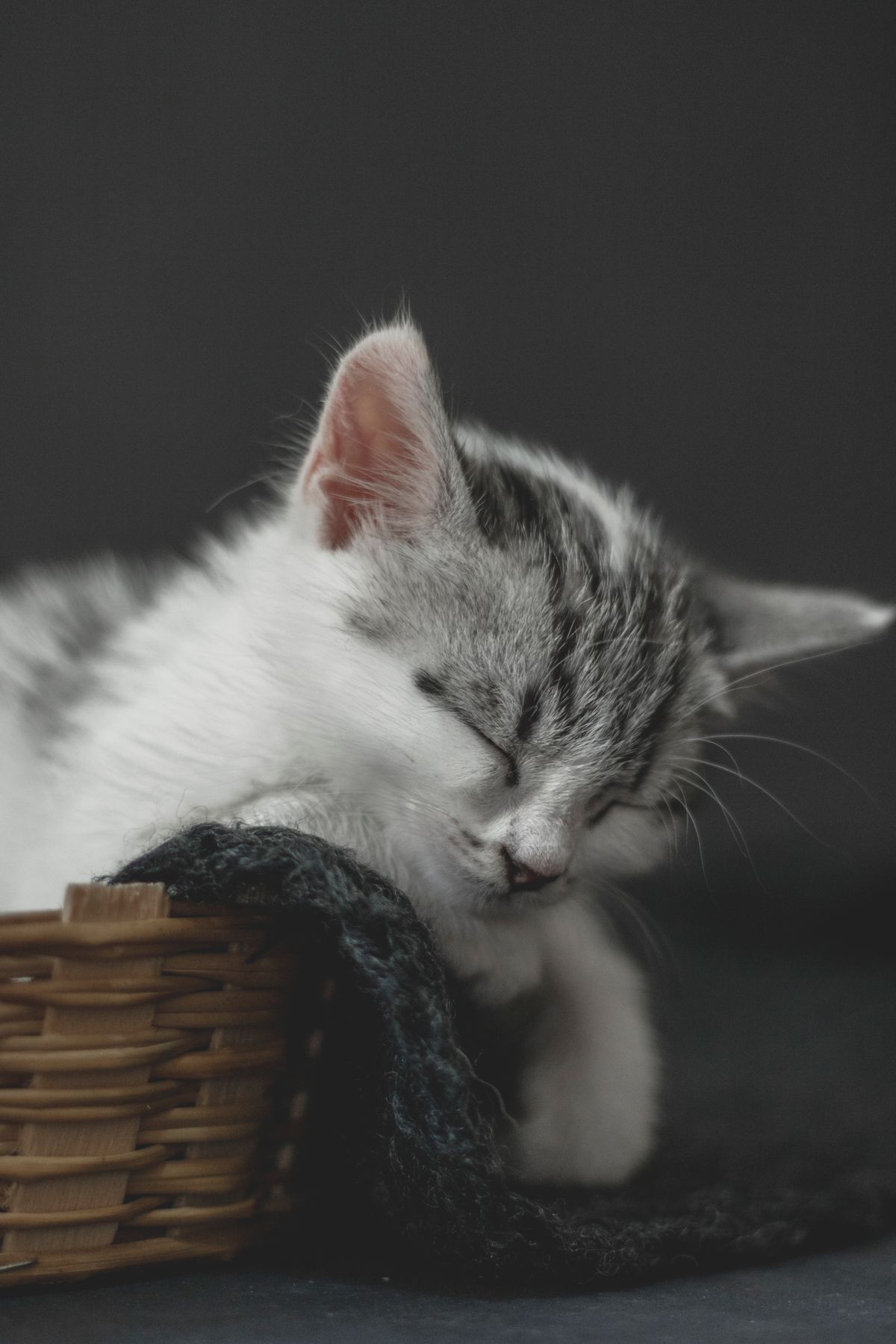
Cats are crepuscular — most active at dawn and dusk — so night meowing is often a cat that slept all day and is wide awake at 3 a.m. Shift the schedule: a vigorous play session in the evening, a meal or puzzle feeder just before your bedtime, and no play or food in response to 3 a.m. meowing. It takes a week or two of boring consistency for the cat to learn that nights are quiet. If night yowling starts suddenly in an older cat, see Reason 6 first — do not assume it is just attention-seeking.
When to worry — call the vet if you see these
Sudden meowing increase in a previously quiet cat; meowing with not eating, vomiting, diarrhoea, or straining to urinate; yowling in pain when touched or picked up; night yowling in a senior cat with weight loss or restlessness; or any meowing paired with hiding and lethargy. Straining to urinate, especially in male cats, is an emergency — a blocked bladder can be fatal within a day. When in doubt, a vet check is cheap compared with missing something serious, and it lets you work on behaviour with a clean bill of health behind you.
Most meowing is communication, not defiance. Answer the need behind the noise — food on schedule, play every day, a stable routine, and a vet check when the pattern changes — and the conversation usually quiets down to a level you can both live with.



0 Comments