Why Does My Dog Eat Grass? 5 Reasons and When to Worry
Short answer: Most dogs eat grass simply because they like the taste and texture, or out of boredom and instinct — and occasional grazing is normal. Worry only if grass eating is frantic, constant, or paired with vomiting, diarrhoea, lethargy, or refusal of normal food; then a vet visit is needed.
If your dog eats grass on every walk, you have probably wondered whether something is wrong with its diet or its stomach. The good news is that grass eating is one of the most common dog behaviours vets are asked about, and in most dogs it means nothing alarming at all. Studies and vet surveys agree: only about a quarter of grass-eating dogs vomit afterwards, so the old idea that dogs eat grass to make themselves sick is mostly a myth.

1. They like the taste and texture
Fresh, sweet grass in spring and summer is genuinely appealing to many dogs, especially young, curious ones. Dogs explore the world with their mouths, and a few blades here and there are just part of that. If your dog grazes calmly, eats normally, and has normal energy, this reason alone explains it.
2. Boredom and habit
An under-exercised dog will find its own entertainment, and grazing is an easy one. Dogs that graze most on long, uneventful walks or in a plain garden are often just filling time. More walks, play, and puzzle feeding usually cut grazing down fast. Our indoor enrichment ideas help bored dogs find a better outlet than the lawn.
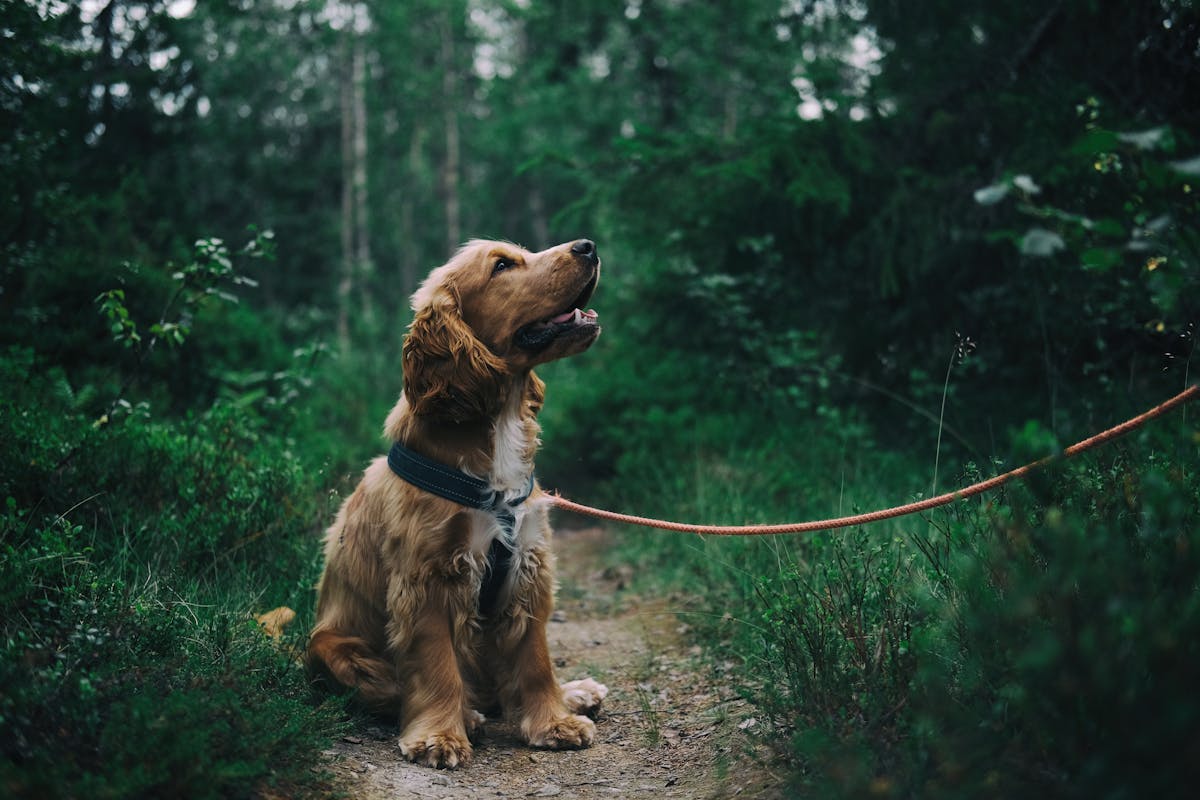
3. A need for fibre
Some dogs graze when their diet is low in fibre, which helps digestion and bowel movements. If stools are hard or infrequent alongside grazing, ask your vet about a fibre boost — plain cooked pumpkin or a vet-recommended food — rather than letting the dog self-serve from the lawn.
4. Mild nausea or an upset stomach
A dog that suddenly eats grass frantically, in large mouthfuls, and then vomits may be trying to soothe nausea. The vomiting is usually a side effect of grass irritating the stomach, not a deliberate cure. One vomit followed by a return to normal eating and energy is usually fine to monitor; repeated vomiting is not.
5. Anxiety and compulsive grazing
Anxious dogs sometimes graze as a self-soothing habit, much like licking or chewing. If grazing is compulsive — the same patch, every walk, hard to interrupt — treat the anxiety behind it with routine, exercise, and vet advice, not scolding. Our guide to destructive chewing covers the same anxiety-driven pattern in another form.

The real danger is not the grass — it is what is on it
Most top guides skip this, but it matters more than the grazing itself. Never let your dog graze lawns treated with pesticides, weed killer, or fertiliser, or public grass where you do not know the treatment history. Treated grass can be toxic, and contaminated soil or standing water can carry parasites. Watch too for foxtails and mushrooms mixed into long grass in warm months, and for toxic plants growing beside the patch — dogs do not reliably tell safe grass from dangerous plants.
How much grass eating is too much?
Use this quick rule. Normal: occasional nibbling, normal appetite, normal stools, normal energy. Call the vet promptly if your dog eats grass but refuses normal food, grazes constantly or frantically, vomits repeatedly or vomits blood, has diarrhoea, seems lethargic, or shows a painful belly. For more on when grazing needs professional advice, see the Blue Cross guide to why dogs eat grass.

Safe grazing: a better alternative
If your dog loves to graze, grow a small pot of wheatgrass or oat grass at home. It gives the same taste and fibre with no chemicals, parasites, or mystery plants. Offer it a few times a week, keep walks to untreated grass, and wipe paws after walks in wet or muddy areas.
Occasional grass eating is normal dog behaviour, not a diagnosis. Give your dog enough exercise and fibre, keep it off treated lawns, and let the vet sort out any grazing that comes with sickness. Most grazers just like the taste — and a pot of wheatgrass at home keeps that habit safe.









0 Comments