How to Stop Your Cat Waking You Up at 3 AM: 7 Fixes That Actually Work
Short answer: Your cat wakes you at 3 a.m. because cats are naturally active at dawn, and because waking you has worked before — you got up, fed them, or played. The fix is to tire them out before bed, shift their last meal later, and make night-time wake-ups completely boring, consistently, for two to three weeks.
Why 3 AM wake-ups happen
This is one of the most common cat complaints, and it is almost never spite. Cats wake at dawn because their hunting clock says so, and they learn fast: one successful 3 a.m. feeding teaches them that meowing, pawing, or knocking things over at 3 a.m. produces breakfast. Every later success strengthens the habit.

1. Play hard in the evening, not at 3 a.m.
Give a focused 15 to 20 minute play session an hour or two before bed — wand toys, chasing, climbing — then a small meal or treat. Hunt, catch, eat, groom, sleep is the natural sequence, and you are deliberately triggering it at bedtime instead of at dawn. A cat that has hunted and eaten in the evening sleeps longer. This pairs well with the indoor enrichment ideas that tire a bored cat out during the day.

2. Move the last meal later
If breakfast is at 6 a.m. and your cat wakes you at 3 a.m. for it, the gap is the problem. Split the daily food so the last portion comes just before your bedtime, or use a timed feeder set for 5 a.m. A timed feeder is the single best tool here: the cat learns food comes from the machine, not from waking you, and you stop being the breakfast button.

3. Make wake-ups boring — every time
When the cat wakes you, do nothing interesting: no talking, no eye contact, no getting up, no feeding. Earplugs help for the first week. The critical mistake is giving in on the third night because you are tired — that teaches the cat that persistence for three nights works, and the next round will last longer. Consistency from everyone in the house is what ends it.

4. Do not shut the cat out as a first resort
Locking the cat out of the bedroom often just moves the noise to the door — scratching, yowling, and rattling the handle. If you do close the door, do it with a comfortable room on the other side: litter, water, a bed, and a quiet toy, and start on a weekend when you can tolerate the protest. Many owners find the boring-response method works without the door battle.

5. Check for real causes first
A cat that suddenly starts waking you after years of sleeping through may be hungry from a diet change, in pain, hyperthyroid, or anxious. Night-time restlessness plus weight loss, increased thirst, or excessive meowing deserves a vet check before you assume it is behaviour. Older cats with cognitive changes also wake more at night, and they need comfort and a vet plan, not training alone.
6. The daylight piece owners miss
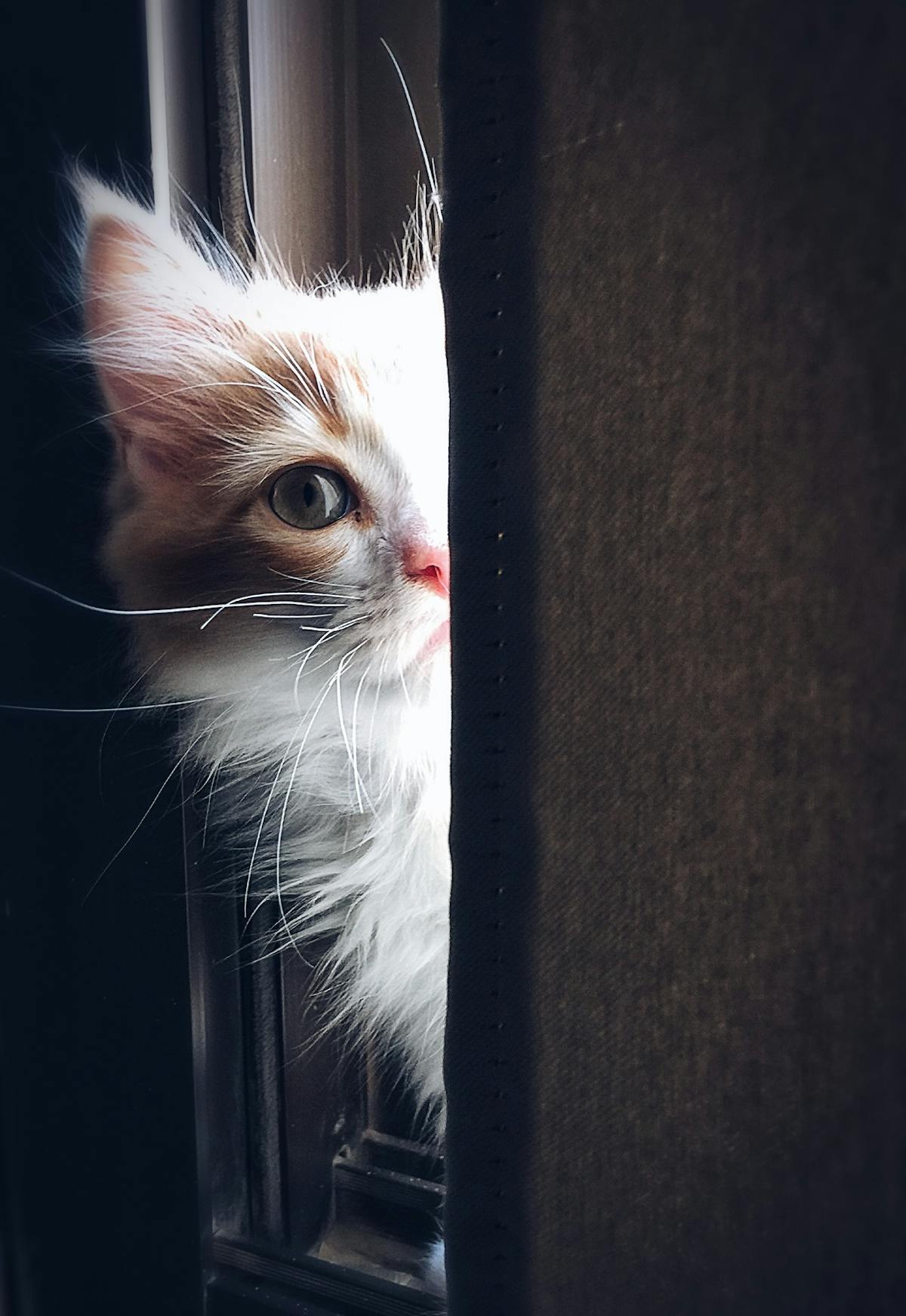
Cats that sleep all day wake all night. If your cat naps from 9 a.m. to 9 p.m., 3 a.m. energy is inevitable. Break up daytime sleep with short play, window perches, and puzzle feeders, so the cat is genuinely tired by bedtime. Even two extra play sessions in the afternoon shift the night noticeably within a week.

7. A realistic three-week plan
Week one: evening play plus late meal or timed feeder, boring response at night. Week two: expect the behaviour to get worse before it gets better — that extinction burst means it is working. Week three: most cats settle to sleeping until the feeder or your alarm. If nothing changes after three consistent weeks, talk to your vet about pain, thyroid, or anxiety. The ASPCA's guide to nighttime activity in cats covers the same steps and is worth sharing with anyone in the house who needs convincing.






0 Comments